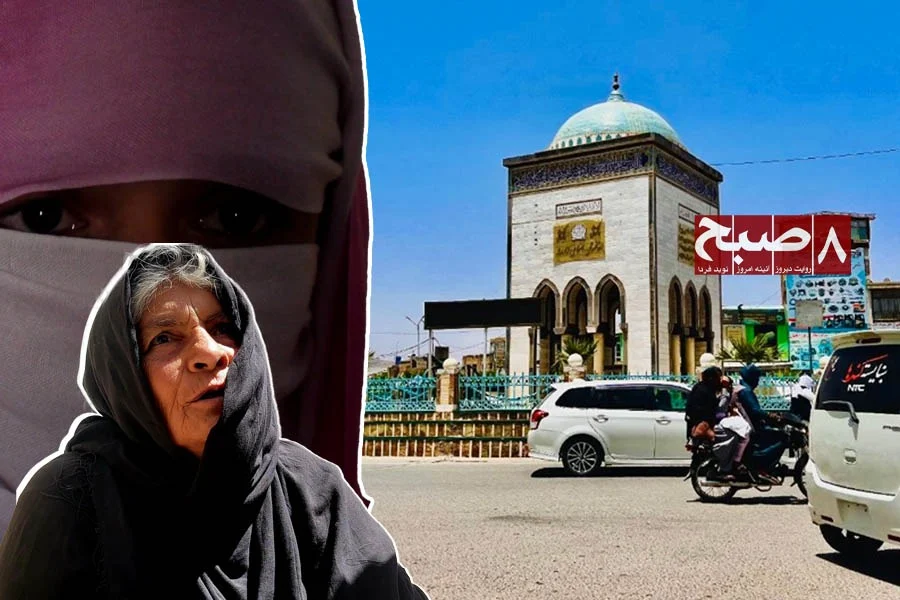
Several women in Kandahar province have voiced concern over the Taliban’s escalating restrictions on their daily lives. They say the Taliban are seeking to eliminate women’s presence from society altogether and want to confine them to their homes. The Taliban have banned black-colored veils, they say, and no longer allow women to wash their clothes in streams and rivers. The group also prevents women from walking outdoors for exercise or leisure.
Some women in Kandahar say Taliban orders now bar them from washing clothes, household items, or other belongings at outdoor water sources.
A reliable local source says the Taliban’s Council of Scholars made the decision and issued the order to enforce it. Women are banned from going near water sources under the decision, and violators face punishment.
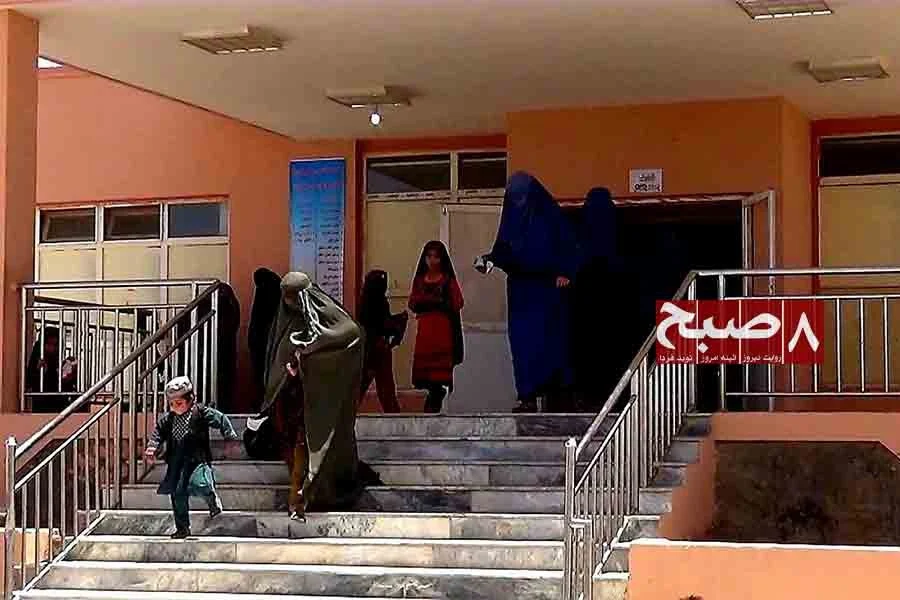
Shops across the province can no longer sell goods directly to women, and men are barred from making such sales. Women’s access to hospitals without a male guardian has also been restricted. Begging by women in cities has been banned, and at home, singing local women’s songs and playing the daireh, a frame drum, at celebrations is now prohibited.
Women in Kandahar say it had been a cultural custom for decades: women would wash clothes, carpets, and other household items outdoors during the day, in large canals, ponds, reservoirs, and other water sources.
One woman in Kandahar city says she and others used to leave home for this purpose but can no longer do so. The restrictions have disrupted household routines, she says, forcing women to wash clothes at home with limited water in cramped spaces. Drought had already reduced Kandahar’s water levels in recent years, she notes, making it more necessary for women to go outside to wash household items. The new restriction has thrown many families into disarray.
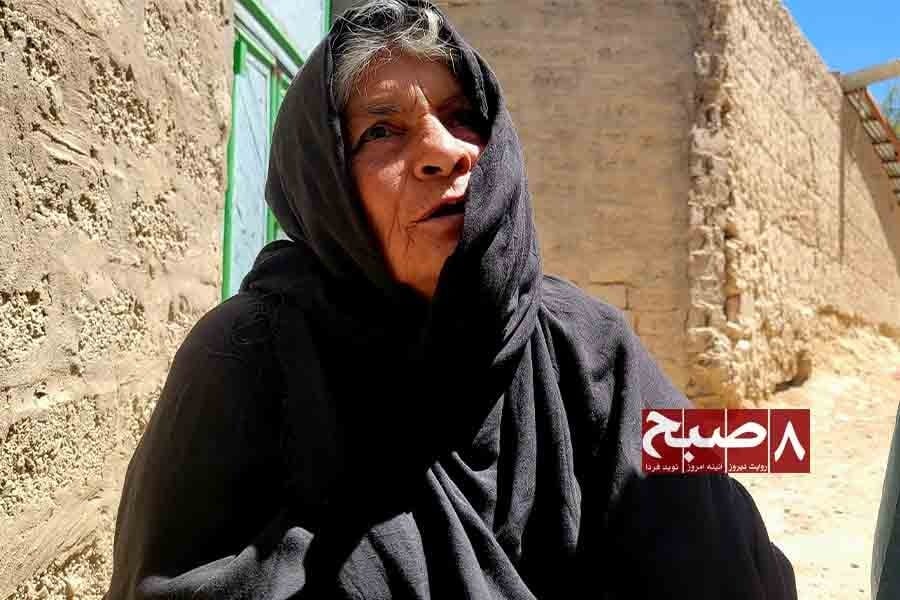
“It used to be customary for women to leave home every day and wash clothes and other household items in large canals, ponds, reservoirs, and karez wells,” she says. “But now that the Taliban have banned this, we face serious problems. Family routines have been disrupted, water has become harder to access, and we can no longer wash our clothes and belongings properly.”
Another woman shares a similar concern. She says the restrictions not only strip women of their rights but also threaten family order and social and public health. For decades, out of daily necessity, women washed clothes and household items at various water sources every day, she says. This eased water shortages on one hand, while the water sources also served women as a place of leisure.
Beyond these restrictions, women in the province say they cannot visit a hospital even when ill, since the Taliban bar their entry without a male guardian.
Saleha, 47, says she took her pregnant daughter-in-law to Mirwais Regional Hospital in Kandahar for treatment a few days earlier. Her daughter-in-law was even wearing a green burqa, she says, but guards at the gate would not let them in. The guards told them no sick woman would be admitted without a male guardian present, she says. Lacking one, they had no choice but to return home with the pregnant woman still untreated.
“I went to the hospital with my son’s wife,” she says. “When we reached the gate, they wouldn’t let us in at all. They said the Taliban had ordered them not to admit any woman unaccompanied by a male guardian. I pleaded with them, explaining that my son was away at work, but they said they applied the same rules to everyone. We went home, and two days later my son had to leave his job to take her to the hospital himself.”
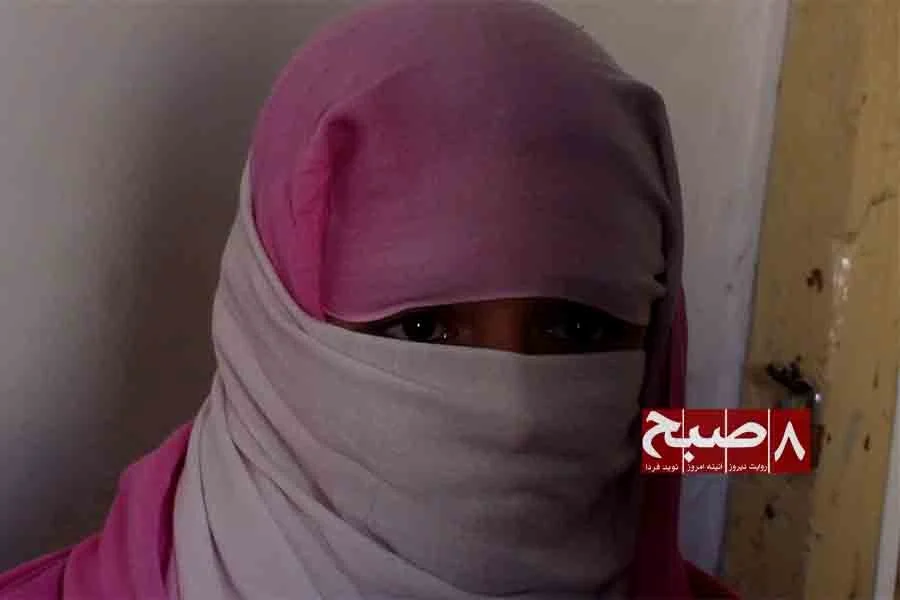
Rangrezan Street in Kandahar, where women’s fashion and beauty items are sold, was crowded with women every day for two decades as they came to buy what they needed. Over the past year, though, growing Taliban restrictions on women’s movement there have sent business into decline.
One shopkeeper on the street, whose name has been withheld for security reasons, says his business has dropped 70 percent. Employees of the Taliban’s Directorate for the Propagation of Virtue and Prevention of Vice visit the street daily, he says, telling shopkeepers not to sell to women who are unaccompanied by a male guardian.
He says the group has repeatedly arrested and jailed shopkeepers who sold directly to women, sometimes for several days. “The street has completely fallen apart,” he says. “The Taliban won’t let women come here, and they block their movement. Anyone who sells something directly to a woman gets arrested and jailed. Many shopkeepers have spent days behind bars.”
Meanwhile, elderly women in Kandahar who used to leave home early each morning to walk the city’s quiet streets for exercise have also run into Taliban restrictions and can no longer walk outside.
Aminullah says his mother used to exercise every morning, but after the Taliban banned it, she now stays home with no way to exercise. He says she is 60 years old, yet the Taliban still regard her with suspicion of impropriety and won’t let her leave the house.
“My mother is 60 years old,” he says. “Tell me, what harm would it do if this elderly woman went outside? But the Taliban have refused to allow it.”
This comes as the Taliban, according to human rights groups, have issued more than 100 decrees and orders against women over the past five years, systematically erasing them from society.
You can read the Persian version of this report here:
زیر سایه هبتالله؛ زنان قندهار از شستن لباس در دریاها و پیادهروی محروم شدهاند