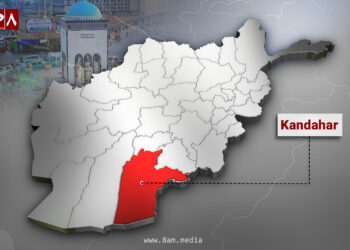
Documents obtained by the Hasht-e Subh Daily show that Taliban Supreme Leader Hibatullah Akhundzada has demanded that all documents related to the Omid-e Sabz Township be sent to Kandahar. At the same time, the Taliban’s Minister of Justice is pressuring residents of the township to vacate their homes. Residents of Omid-e Sabz Township in western Kabul describe their situation as “deplorable” and say they spend their days and nights in fear and anxiety. They say they have approached various Taliban-controlled institutions to seek a reconsideration of the group’s decision, and that during multiple trips to Kandahar they presented documents and rulings from the courts of the former government to Taliban courts. They say they built their homes with their own money and purchased the land, but are now forced to pay the Taliban “rent” for living in their own houses.
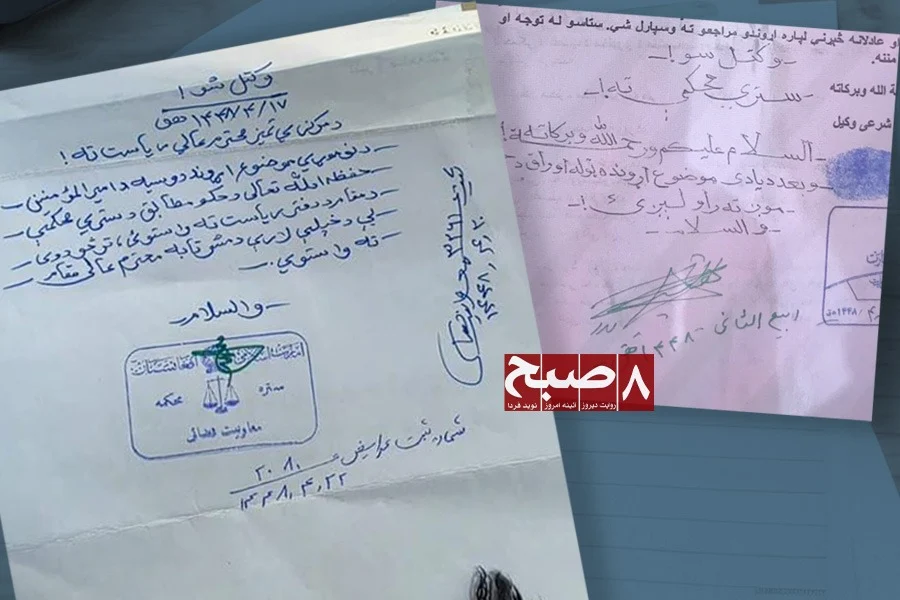
The office of Taliban Supreme Leader Hibatullah Akhundzada has requested that all documents related to the Omid-e Sabz Township be sent from Kabul to Kandahar so the group can review them again. Another document obtained by the Hasht-e Subh Daily also shows that the Judicial Deputy of the Taliban’s Supreme Court has asked the head of the group’s Cassation Court to hand over the documents related to the township to the Supreme Court’s administration, so that they can be sent from there to Kandahar.
Even as Akhundzada has ordered a review of the Omid-e Sabz Township case, Abdul Hakim Sharay, the Taliban’s Minister of Justice, has continued to pressure homeowners to vacate their houses. He has also ordered homeowners to pay the Taliban 4,000 Afghanis in monthly rent for each room.
Residents of the Omid-e Sabz Township say that, on the orders of the Taliban’s Minister of Justice, they have been forced to pay monthly rent for living in their own private homes for the past six months.
Some residents of the township say that, despite the Taliban Supreme Leader’s order to review the case, teams from the group’s Ministry of Justice (MoJ) pressure people every day to vacate their homes. Several homeowners, presenting their official property deeds, stress that their ownership documents were processed through the three tiers of courts under the former government, but the Taliban do not accept these documents.
One resident of the Omid-e Sabz Township says: “Believe me, people are extremely distressed. In this bad economic situation, when people do not have bread to eat, how is it possible for them to pay rent for their own homes? We went to the MoJ [of the Taliban] several times, but no one listened to our voices. The township has an official lawyer, and we also submitted petitions to the court. Our representatives went to Kandahar. Now see these rulings for yourselves: the office of the Taliban Supreme Leader requested the case file, and within one month the Taliban court has twice issued an order to send the file. But the Taliban’s MoJ pursues whatever suits the Minister personally. They do not even accept the order of the Taliban Supreme Leader, and they bully people.”
Presenting the official ownership deed of his house, this resident of the Omid-e Sabz Township stresses: “If this land was seized illegally, then how was this deed processed? All the details of the land, the name of the first owner, the registration number, and the court’s registry office record are written in it. Why are the documents and registry books in the court’s archive of title records not consulted? How long must these people live in suffering and anxiety?”
On the other hand, several residents of the township accuse the Taliban’s special court of double standards toward townships in a similar situation. They claim that in some of these townships, the Taliban have decided to return ownership documents to the current occupants in exchange for a small percentage of the land’s value, but that they have adopted a policy of forced eviction against the residents of the Omid-e Sabz Township.
You can read the Persian version of this report here:
دستور بازنگری؛ شرعی همچنان بر طبل تخلیه شهرک امید سبز میکوبد