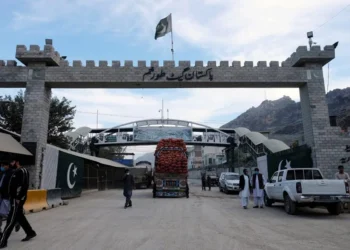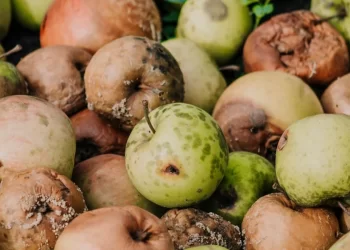
With the closure of all routes between Afghanistan and Pakistan, the prices of imported goods in domestic markets across the country have risen to an unprecedented degree, while the prices of domestic products, particularly fresh and dried fruits, have sharply declined.
Several residents of the southern provinces say that buying and selling in the markets of these provinces has also decreased, and people are facing a severe and difficult economic situation. They say that previously, fresh and dried fruits from Afghanistan were exported to Pakistan and other countries via Spin Boldak, but with the closure of these routes, sales of these products have sharply declined, and farmers have suffered losses.
Kandahar
Farmers in Kandahar province say that due to the closure of the Afghanistan-Pakistan routes, the price of grapes and pomegranates from this province has fallen by between 50 and 70 percent.
One official from the Kandahar Chamber of Commerce and Investment, who asked for anonymity in the report due to security concerns, says that with the closure of Pakistan’s trade routes, only a very small amount of the fresh and dried fruit produced in the southern region is now transported to foreign countries by air, even though the cost of transport by this method is twice as high.
According to him, about 250 tons of grapes have been exported so far this year, whereas during the same period in September 2023, approximately 15,000 tons of grapes were exported from Kandahar.
Mohammad Rahim, a grape grower in Kandahar, says the price of grapes this year has fallen threefold compared to previous years. He says that in past years, the price of one man (a traditional unit of weight) of Kandahari grapes was 150 Afghanis, whereas now the price for the same amount has dropped to 50 Afghanis, a decline he attributes to the closure of the Afghanistan-Pakistan routes.
According to figures from the Kandahar Department of Agriculture and Livestock, grape production in the province this year is estimated at 225,000 tons.
Officials from the Kandahar Directorate of Agriculture and Livestock say that pomegranate orchards have been established on 15,000 hectares of land in the province, yielding approximately 274,000 tons of produce annually.
Officials from the Kandahar Chamber of Commerce and Investment say that in previous years, when Pakistan’s routes were open, up to 300 truckloads of pomegranates were exported annually from Kandahar to Pakistan and other countries. Now, however, these products are exported on a limited scale by air to Qatar and various Asian and European countries, a process that is costly by the time the goods reach their destination.
Uruzgan
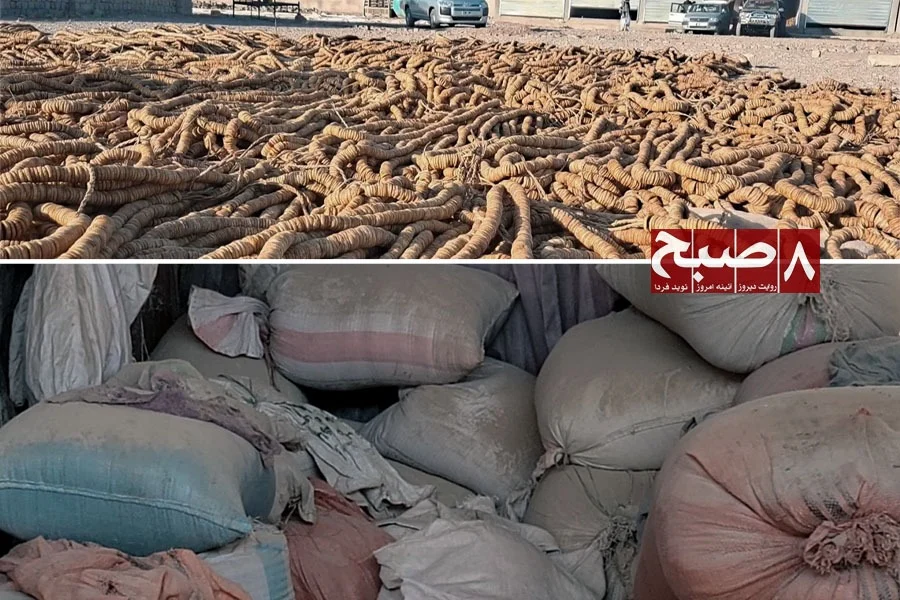
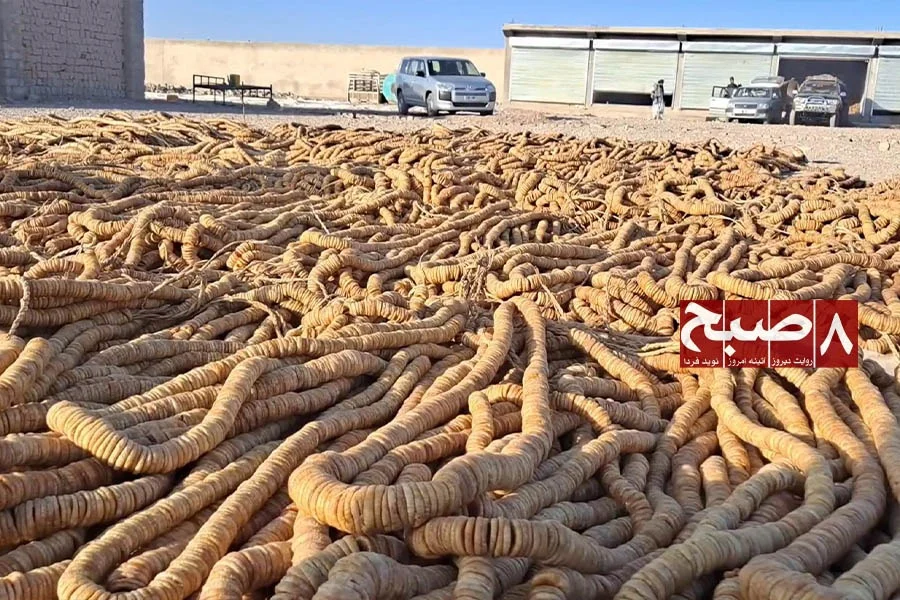
Pomegranates and grapes are not the only products that have lost their value following the closure of Pakistan’s routes. Agricultural products from other provinces in this region have faced the same fate. Traders in Uruzgan province, which produces large quantities of figs and almonds, say that products from this province have lost 60 percent of their value following the closure of Pakistan’s routes.
Officials from the Uruzgan Chamber of Commerce and Investment say that this year, approximately 7,193 tons of figs will be harvested from 1,251 hectares of fig orchards in the province. They add that in previous years, the price of four kilograms of figs was 2,500 Afghanis, whereas now the price has dropped to 600 Afghanis. According to them, the almond market in the province has also lost its former vibrancy.
Helmand
Traders and farmers in Helmand complain about falling prices for cotton, pistachios, raisins, peaches, and a number of other fruits and products from the province. They say that dried fruits and other products that have been stored in warehouses since last year in hopes of price increases remain unsold, causing millions of Afghanis in losses to the people.
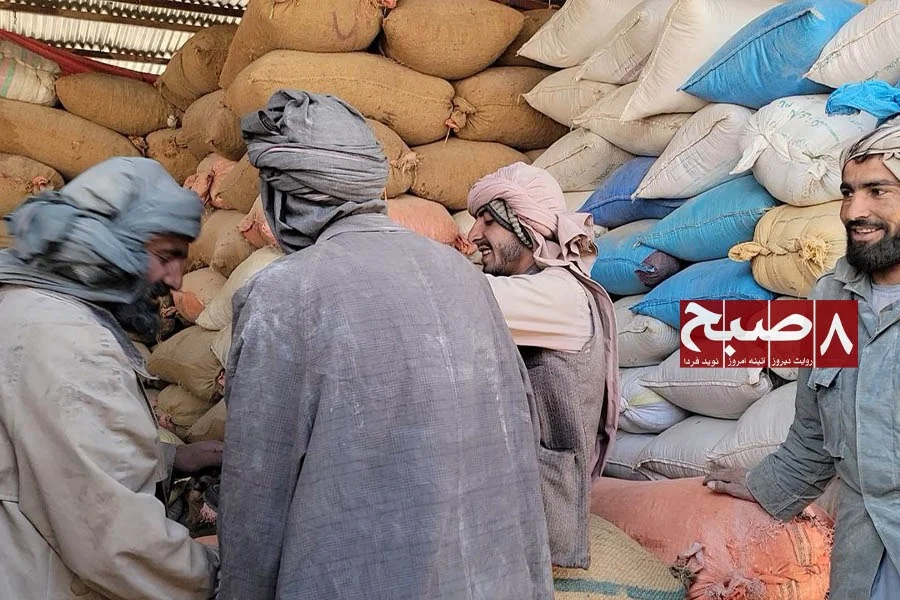
Saifullah, a trader from Helmand, says the Taliban must either reopen the Pakistan route to Afghanistan’s products or find alternative routes offering a market as suitable and affordable as Pakistan’s. He adds that the continuation of this situation will cause the efforts of farmers, business owners, and traders to go to waste, and will leave people facing a severe economic crisis.
This trader says: “Neither has an alternative route been created for us, nor is the Pakistan route being reopened. All the dried fruit produced in this region remains in warehouses, and this is a loss for traders. Today someone buys something at a certain price, but tomorrow they cannot sell it at the same price. If this situation continues, everything here will be destroyed, just as the situation is already dire now.”
Meanwhile, following the closure of Pakistan’s trade routes, India, one of the countries close to the Taliban, is attempting to transport several Afghanistan’s products that remain stuck in warehouses to its own country.
Recently, a number of Indian traders traveled to Kandahar and are attempting to transport dried fruits through alternative routes. These traders, who toured Kandahar’s trade markets a few days ago, have promised to purchase dried fruits packaged according to international standards at a fair price.
Following the closure of Pakistan’s routes, Afghanistan’s exports to third countries via Pakistan have also declined. According to customs data, these exports reached 454 million dollars in 2025, but declined to only seven million dollars in 2026.
According to information from the Afghanistan-Pakistan Joint Chamber of Commerce, due to the closure of the routes, Pakistani exporters have suffered losses of approximately 225 million dollars over the first eight months of the current year.
You can read the Persian version of this report here:
بستهشدن مسیرهای پاکستان؛ بازرگانان و دهقانان حوزه جنوب: نه راه بدیل است، نه بازار