• 8AM.MEDIA
  • ویب‌سایت فارسی
  • پښتو ویب‌پاڼه
  • اۉزبېکچه ویب‌سایت
  • Podcast
Thursday, October 8, 2026
Hasht-e Subh
  • Home
  • News
    • Afghanistan News
    • World News
  • Opinion
    • Editorial
    • Analysis
  • Reports
    • Daily Reports
    • Investigative Reports
  • Society
    • The story of people
  • Women’s Word
  • Columns
    • Three Years After Afghanistan’s Fall: The Taliban’s Resurgence
    • Towards Equality
    • The Resurgence of the Taliban: Two Years Since Afghanistan’s Fall
    • Hebatullah Report Special Edition
    • Resistance for Education Special Edition
    • Special Column on Taliban’s Education Curriculum
    • Nawroz
  • Interviews
  • Contact Us
    • About Us
    • 8AM MEDIA Annual Awards
    • Submit an Article to Hasht-e-Subh
  • 8am.mediaBack
Subscribe
No Result
View All Result
  • Home
  • News
    • Afghanistan News
    • World News
  • Opinion
    • Editorial
    • Analysis
  • Reports
    • Daily Reports
    • Investigative Reports
  • Society
    • The story of people
  • Women’s Word
  • Columns
    • Three Years After Afghanistan’s Fall: The Taliban’s Resurgence
    • Towards Equality
    • The Resurgence of the Taliban: Two Years Since Afghanistan’s Fall
    • Hebatullah Report Special Edition
    • Resistance for Education Special Edition
    • Special Column on Taliban’s Education Curriculum
    • Nawroz
  • Interviews
  • Contact Us
    • About Us
    • 8AM MEDIA Annual Awards
    • Submit an Article to Hasht-e-Subh
  • 8am.mediaBack
No Result
View All Result
Hasht-e Subh
No Result
View All Result

Plastic: Kabul’s Silent Poison and a Serious Threat to the Environment

Illya Illya
10 January 2026 - Solar Hijri Date: 1404/10/20 [t_time:1768053273]
A street vendor sells fresh produce displayed in mesh bags at a Kabul market, where plastic bag use remains widespread despite growing environmental concerns among residents and experts. (Photo Credit: 8am.media)

8am.media

Many residents of Kabul say plastic bags have taken over daily life in the city. They argue that these bags harm the environment and that authorities should either stop or strictly limit their production and import into Afghanistan. According to residents, the low price and easy access to plastic bags and other plastic products have turned them into a serious environmental problem across the country. After use, people often throw these items away without proper management, which pollutes soil and water and causes damage to wildlife.

In interviews with the Hasht-e Subh Daily, residents point to the lack of an organized recycling system, low public awareness about the dangers of plastic, and weak enforcement of existing regulations as key reasons the crisis continues to grow. They believe public education and the promotion of environmentally friendly alternatives, such as paper and cloth bags, are urgently needed to stop the situation from worsening.

Ahmad, a resident of Kabul’s Qala-e Najara area, says plastic bags now surround every part of life in the city. He stresses that authorities and citizens must act quickly to reduce their use. Although replacing plastic bags across Afghanistan will take time, he believes it is possible.

“Plastic bags are everywhere,” he says. “Factories that produce them are now active inside Afghanistan. Even bakeries use plastic bags, even though everyone knows how harmful they are and how they can ruin bread. I know the dangers of plastic, so when I go to the market, I carry a cloth bag. Still, very few people use cloth or paper bags. Almost everything has become plastic, and it does not feel hopeful that a good alternative will appear anytime soon.”

Mujib, another resident of Kabul, says people should stop using plastic bags and products to protect both their health and the environment. He describes current efforts to reduce plastic use as weak and encourages people to switch to cloth bags instead.

“Plastic lasts a very long time in nature and does not break down,” he says. “Today, most buying and selling depends on plastic. Dry goods may be less harmful, but plastic is especially dangerous for vegetables and meat. This problem needs serious attention, and cloth and paper bags should replace plastic.”

As one of the largest cities in Afghanistan, Kabul faces a major challenge with waste left in open areas. Residents dump part of their garbage in nature and burn part of it in stoves to heat their homes, a practice that causes serious environmental damage.

Sakina, a Kabul resident, says plastic bags may have made urban life easier, but the city’s streets, canals, and markets remain full of plastic waste. In her view, this reality shows not only excessive plastic use but also the deeper environmental problems facing the city.

“Plastic bags make daily tasks easier,” she says, “but when they tear or wear out, people burn them and fill the air with polluted smoke, or they throw them away in nature.”

Hussain, another Kabul resident, says many people do not understand how harmful plastic is and use it mainly because it is cheap. “If there were an affordable alternative, why would we not use it?” he asks. “I always take a cloth bag to the market, but most people do not care. Media outlets and social networks need to raise awareness.”

At the same time, environmental experts are calling for strict control over plastic imports and production. They also suggest introducing green taxes to reduce plastic consumption.

Environmental expert Kazim Homayoun says no country in the 21st century has been able to completely stop plastic imports because plastic is part of everyday life. He explains that while it is impossible to eliminate plastic, sustainable economic policies and green taxes can significantly reduce its use.

“Plastic bags are a serious threat to the environment, especially to aquatic life,” Homayoun says. “They move from one place to another and become a mobile danger. If a country applies green taxes, it can reduce plastic imports and production, especially in Afghanistan, where we lack both recycling and reuse capacity.”

Another environmental expert, Sayed Mohammad Soleimankhail, says plastic not only damages the visual beauty of the environment but also pollutes water, soil, and air. “To protect the environment, authorities must strictly control plastic imports and production, raise taxes on plastic, and limit raw materials,” he says. “When plastic bags become more expensive, people will naturally use them less.”

Experts warn that plastic can remain in nature for 100 to 500 years before breaking down into microplastics. These tiny particles release dangerous chemicals into the soil and move through the food chain, posing serious risks to human health and the environment.

Plastic use in Afghanistan continues to rise, even though the country has no organized recycling program. Most plastic waste ends up buried with other garbage, while some is left scattered in nature.

Statistics show that Kabul produces more than 4,650 tons of waste every day, with plastic making up a large portion. Although exact figures for plastic waste are not available, field estimates indicate that single-use items such as bags, bottles, food containers, and artificial flowers account for a significant share.

The absence of recycling facilities, along with unscientific burning, improper burial, and uncontrolled dumping, has turned plastic waste into a “silent poison” that directly contaminates water, soil, food, and air.

The United Nations has also reported that more than 400 million tons of plastic are produced worldwide each year, a level that poses a serious threat to both the environment and human health.

You can read the Persian version of this report here:
پلاستیک؛ سم بی‌صدای کابل و تهدیدی جدی برای محیط زیست

ShareTweetSendSendShare

Related Posts

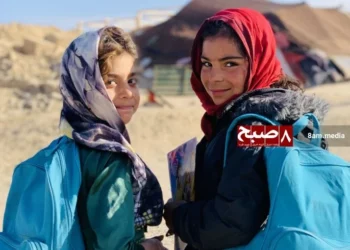
Two young Afghan girls smiling and looking at the camera (Photo: 8am.media)
Afghanistan News

OCHA: $160 Million Needed to Meet Afghanistan’s Education Needs

8 October 2026 [t_time:1791451862]
Afghanistan Freedom Front Slogan displayed (Photo: @AfgFreedomAFF/X)
Afghanistan News

Freedom Front: Five Taliban Members Killed in Badakhshan

8 October 2026 [t_time:1791450030]
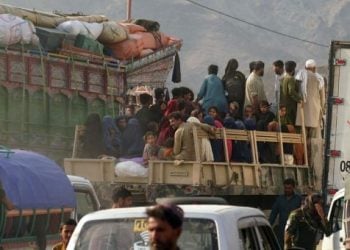
Afghan refugees returning with their families and belongings after being deported (Photo: UNHCR)
Afghanistan News

Taliban: More Than 900 Afghan Migrants Return to Afghanistan

8 October 2026 [t_time:1791446204]

Latest

Loading latest news...

Popular stories

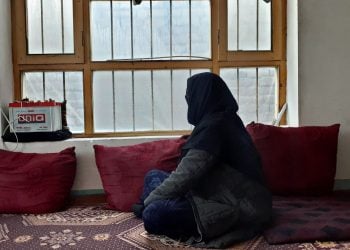
  • An Afghan woman gazes out of her home, reflecting the isolation and challenges faced by women in Afghanistan under Taliban rule. (Photo Credit: 8am.media)

    UN Report Reveals Shifts in Family Attitudes and Rise in Domestic Violence in Afghanistan

    Share
    Share Tweet
  • Taliban Shoot Young Man from Herat After Torturing Him with Hands Tied

    Share
    Share Tweet
  • Al-Qaeda Releases Hamza bin Laden Message on 9/11 Anniversary

    Share
    Share Tweet
  • Taliban Intelligence Deputy in Faizabad Killed with Two Guards

    Share
    Share Tweet
  • Iraq Reports Export of Two Million Barrels of Crude Oil Through Strait of Hormuz

    Share
    Share Tweet

Podcast

Insights
Insights

Join Lynne O’Donnell for 8AM’s podcast series, Insights.
Lynne talks with generals, diplomats, soldiers, journalists, politicians, activists, people who have front row seats for conflicts around the world, and citizens with a story to tell, happy or sad. For this first series, Afghanistan is the focus. Lynne and her guests talk about the collapse of the republic in August, 2021, and the impact since — for the people of Afghanistan, for the security of the region, for the safety of the world. It’s important, interesting and insightful.

Insights/22: Controlling the Narrative with Mina Sharif
byinsights8am

Controlling the Narrative

Lynne O’Donnell talks with Mina Sharif, author, activist, women’s rights campaigner, educator and mentor. They discuss who controls the narrative and who speaks for Afghanistan’s people when the Taliban appear to have seized control not only of the country but of the message, too.

Have a listen

Insights/22: Controlling the Narrative with Mina Sharif
Episode play icon
Insights/22: Controlling the Narrative with Mina Sharif
Episode Description
Episode play icon
Insights/21: Media Meltdown with Zahra Joya
Episode Description
Episode play icon
Insights/20: Terror Inc with Scott Richards
Episode Description
Episode play icon
Insights/19: Busting Stereotypes with Bushra Gohar
Episode Description
Episode play icon
Insights/18: Media Matters with Waliullah Rahmani
Episode Description
Episode play icon
Insights/17: What Goes Around Comes Around with Sima Samar
Episode Description
Search Results placeholder
Hasht-e Subh

8AM Media, also known as Hasht-e-Subh Daily, stands as Afghanistan's premier independent and non-profit newspaper, resonating as a beacon of journalistic integrity since its establishment in June 2007 by esteemed Afghan journalists and human rights advocates. With a steadfast commitment to citizen journalism and civic education, Hasht-e-Subh Daily has earned its place as the most esteemed publication in the nation.

Publisher: Sanjar Sohail
Email: [email protected]
Executive Director: Parwiz Kawa
Email: [email protected]

Read More

OCHA: $160 Million Needed to Meet Afghanistan’s Education Needs

Freedom Front: Five Taliban Members Killed in Badakhshan

Sharif Calls for Action Against Terrorist Groups in Afghanistan During Meeting with Guterres

Taliban: More Than 900 Afghan Migrants Return to Afghanistan

France Begins Talks with Taliban on Returning Afghans

Editor’s Choice

Every Saturday morning, 8AM MEDIA English Services Department will guide you through the week’s biggest stories from Afghanistan and the international community.

Subscribe

© 2026 - ©Hasht-e Subh Daily

No Result
View All Result
8am.Media
پښتو ویب‌پاڼه
ویب‌سایت فارسی
اۉزبېکچه ویب‌سایت
  • Home
  • News
    • Afghanistan News
    • World News
  • Opinion
    • Editorial
    • Analysis
  • Reports
    • Daily Reports
    • Investigative Reports
  • Society
    • The story of people
  • Women’s Word
  • Columns
    • Three Years After Afghanistan’s Fall: The Taliban’s Resurgence
    • Towards Equality
    • The Resurgence of the Taliban: Two Years Since Afghanistan’s Fall
    • Hebatullah Report Special Edition
    • Resistance for Education Special Edition
    • Special Column on Taliban’s Education Curriculum
    • Nawroz
  • Interviews
  • Contact Us
    • About Us
    • 8AM MEDIA Annual Awards
    • Submit an Article to Hasht-e-Subh
  • 8am.media

© 2026 - ©Hasht-e Subh Daily