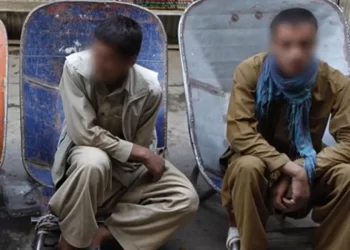
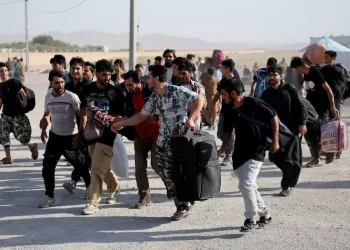
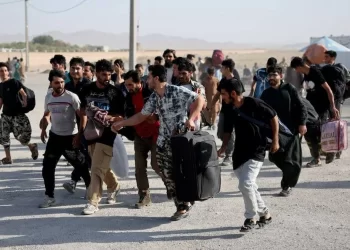
More than 50 days have passed since the Torkham crossing shut down, leaving dozens of truck drivers stranded on the other side of the border, trapped in uncertainty. The drivers say the closure has pushed their families into serious financial trouble. With their trucks stuck and no work moving, no one trusts them enough to lend money. Some drivers have even sold the fuel from their trucks just to buy a little bread for their families. Out of shame and stress, many have turned off their phones because they can no longer face their families’ calls. The heavy cargo, worn-out tires, and the slow destruction of their trucks have added even more pressure. They criticize the long delay and insist that political disagreements should never interfere with trade. For them, reopening the crossing is not just important; it is urgent.
In interviews with the Hasht-e Subh Daily, several drivers explain that the closure has thrown their lives into chaos. They say the long wait has drained their savings and pushed their families into a deep economic crisis.
One driver, Sayed Akram, says he has been stuck in Peshawar for more than 50 days. He explains that he now struggles to afford even a piece of dry bread. He pleads for political issues to stay away from the lives of ordinary people, especially drivers who depend on daily movement to survive. He believes the trucks must be allowed to travel again between Afghanistan and Pakistan and that the disagreements between the two countries should not destroy people’s lives.
“Our families call and say they need bread and money,” Akram says. “But we have nothing to give them. The road is closed, and our trucks are not moving. The pressure is so heavy that I turned off my phone because I can’t bear hearing their needs when I can’t help. No one lends us money because our trucks are just sitting here. When we’re moving and working, people trust us. But right now, no one does.”
He continues, “The cargo is too heavy, the tires are ruined, everything is falling apart. We beg both sides to open the roads again. We are destroyed. The guard wants money, the cleaner wants money, our homes need money. God knows we can’t even afford our own bread. We sold our fuel just to buy a little dry bread.”
Another driver, Rahmatullah, also calls for the reopening of the crossing. He explains that more than 50 trucks are still stuck, and the situation has become “very, very worrying.”
“This situation makes us extremely anxious,” he says. “Officials keep saying the road will open today or tomorrow, but nothing happens. We just wait, and our debts keep growing. The stopped trucks have caused major losses; one tire alone costs nearly 150,000 Afghanis. A truck must keep moving; if it stays under pressure in one place, the tires and parts get destroyed.”
Meanwhile, economic analysts say the reopening of the Torkham route requires a mix of political diplomacy, security guarantees, transparent border monitoring, and economic cooperation.
Mir Shaakir Yaqubi, an economic expert, explains that both governments must rebuild trust and offer economic guarantees to protect the interests of both sides in any situation.
“For this crossing to open,” he says, “both political and economic issues must be addressed. The two sides must first hold serious political and security talks. After that, border officials and trade institutions need to agree on clear security guarantees and stable border rules so Pakistan feels secure and Afghanistan can continue its normal trade.”
He adds, “Trade and customs institutions should step in and demand that the losses of traders be calculated. With written commitments from Pakistan, the crossing can reopen permanently. We must also plan for alternative routes during crises so that trade never depends on a single crossing. Other suitable options must always be ready.”
Nearly two months have passed since the crossing closed to commercial goods, causing millions of dollars in losses for traders and farmers.
Earlier, the Taliban Chamber of Commerce and Investment warned that keeping the crossings closed could cause up to 200 million dollars in losses every month for both sides.
You can read the Persian version of this report here:
قفل سیاسی تورخم؛ رانندهگان در شرمندهگی خانوادهها و موترها در فرسایش