In the past three months, traffic incidents across Afghanistan have claimed over 190 lives and injured 400 others, occurring in more than 19 provinces. The most severe incidents include road collisions, vehicles veering off roads, and vehicles overturning or plunging into rivers. This information comes from reports published by Hasht-e Subh Daily during October, November, and December. It is believed that the actual number of incidents might be even higher.
In a recent case, the Taliban reported a traffic accident on the Kabul-Kandahar highway that left 52 people dead and 65 injured. This alarming trend has raised widespread concern among citizens, many of whom blame the Taliban for incompetence, irresponsibility, and ignorance of road and traffic laws. Citizens also accuse transportation companies and their drivers of negligence, often disregarding passenger safety and contributing to these tragic incidents.
The Emergency Hospital in Kabul recently reported a fivefold increase in traffic incidents since the Taliban assumed control of Afghanistan. Reports from Hasht-e Subh Daily indicate that these incidents, which occurred during October, November, and December, spanned 19 provinces, including Badakhshan, Takhar, Faryab, Nangarhar, Maidan Wardak, Nuristan, Badghis, Farah, Ghazni, Laghman, Logar, Herat, Daikundi, Kandahar, Nimruz, Jawzjan, Helmand, Paktia, and Khost.
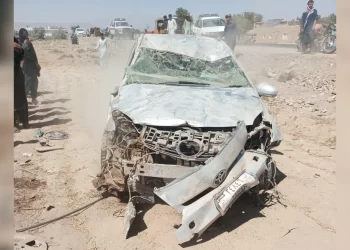
Most incidents occurred on the Kabul-Herat, Kabul-Jalalabad, and northern highways. Major causes include high-speed collisions, vehicles veering off roads, overturning into rivers, crashing into walls, and falling into valleys.
Recently, two deadly traffic incidents in Ghazni province claimed 52 lives and injured 65 others. According to the Taliban, these accidents occurred late on Wednesday, December 18, in the Shahbaz area of Ghazni city and the Nani area of Andar district along the Kabul-Kandahar highway. The Taliban attributed both accidents to collisions between passenger buses and fuel tankers.
Following these incidents, the Taliban’s Ministry of Transport and Civil Aviation suspended the operations of two transportation companies, stating their activities would remain halted until investigations are complete.
Many citizens have expressed deep concerns over the rise in traffic incidents, blaming the Taliban’s incompetence, irresponsibility, and lack of traffic law enforcement. They also point to poor road conditions, excessive speed, and driver negligence as major contributors to fatalities. Additionally, citizens criticize transportation companies and their drivers for showing little regard for passenger safety or traffic regulations.
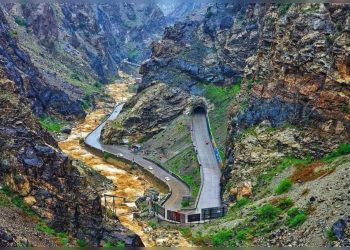
Unhealthy competition among transportation companies, narrow roads, decades of road damage, lack of adherence to traffic laws, and the absence of a specialized traffic management authority are exacerbating the problem. The issuance of driving licenses without proper training and the Taliban’s lack of accountability are further worsening the situation.
One survivor of the Ghazni traffic incident recounted to Hasht-e Subh Daily:
“We were in a passenger vehicle speeding on a one-way road. The vehicle was moving fast, and then we collided. I don’t remember what happened next. When I opened my eyes, I was in the hospital. Both vehicles were passenger buses of type 580. I urge drivers to slow down.”
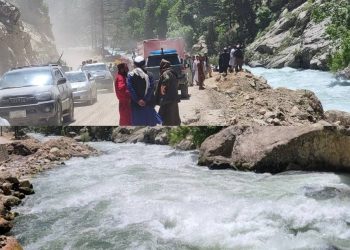
In Badakhshan province, two drivers recently drowned in the Kokcha River in separate incidents. In one case, on Friday, November 15, a “Pasu” type vehicle with six passengers fell into the river. Only one body has been recovered. Local sources say all the victims were educated individuals.
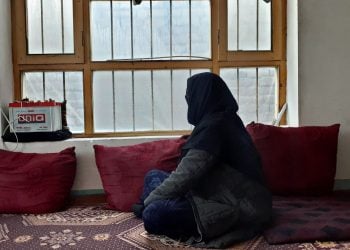
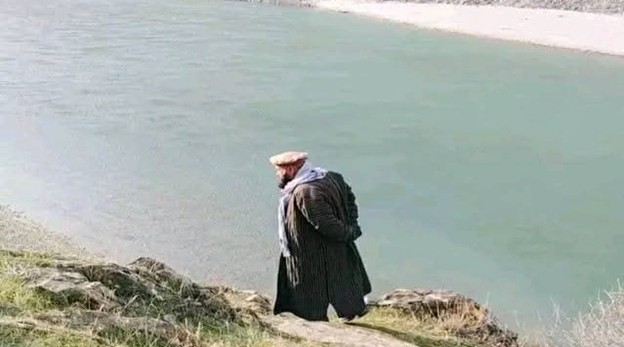
A widely shared photo on social media shows a grieving father who lost his son in the Kokcha River accident. Every morning, he visits the riverbank, staring at the water for hours, searching for his son’s body. Over a month has passed since the incident, yet the Taliban have ceased search and recovery efforts, leaving families of the victims in severe emotional and psychological distress.
The Afghanistan Freedom Front (AFF) responded to the increase in traffic incidents by criticizing the Taliban’s approach to road safety. They claimed that during driving tests, the Taliban prioritize reciting travel prayers over testing knowledge of traffic laws. The AFF also accused the Taliban of appointing unqualified individuals to critical roles, extorting funds from developmental projects, and neglecting road construction and safety systems, thus contributing to the rise in highway accidents.
The AFF highlighted the lack of expertise among Taliban officials, citing the example of a former baker from Quetta, Pakistan, now serving as Afghanistan’s traffic department head. During driving tests, instead of questioning applicants on traffic regulations, he reportedly asks them for travel prayers.
The Emergency Hospital in Kabul corroborated these concerns, reporting a 78.5% increase in traffic incidents from March 2022 to March 2024. The number of recorded incidents rose from 2,662 to 5,550, involving vehicles colliding with walls, valleys, rivers, or overturning.
You can read the Persian version of this daily report here: