• 8AM.MEDIA
  • ویب‌سایت فارسی
  • پښتو ویب‌پاڼه
  • اۉزبېکچه ویب‌سایت
  • Podcast
Sunday, September 27, 2026
Hasht-e Subh
  • Home
  • News
    • Afghanistan News
    • World News
  • Opinion
    • Editorial
    • Analysis
  • Reports
    • Daily Reports
    • Investigative Reports
  • Society
    • The story of people
  • Women’s Word
  • Columns
    • Three Years After Afghanistan’s Fall: The Taliban’s Resurgence
    • Towards Equality
    • The Resurgence of the Taliban: Two Years Since Afghanistan’s Fall
    • Hebatullah Report Special Edition
    • Resistance for Education Special Edition
    • Special Column on Taliban’s Education Curriculum
    • Nawroz
  • Interviews
  • Contact Us
    • About Us
    • 8AM MEDIA Annual Awards
    • Submit an Article to Hasht-e-Subh
  • 8am.mediaBack
Subscribe
No Result
View All Result
  • Home
  • News
    • Afghanistan News
    • World News
  • Opinion
    • Editorial
    • Analysis
  • Reports
    • Daily Reports
    • Investigative Reports
  • Society
    • The story of people
  • Women’s Word
  • Columns
    • Three Years After Afghanistan’s Fall: The Taliban’s Resurgence
    • Towards Equality
    • The Resurgence of the Taliban: Two Years Since Afghanistan’s Fall
    • Hebatullah Report Special Edition
    • Resistance for Education Special Edition
    • Special Column on Taliban’s Education Curriculum
    • Nawroz
  • Interviews
  • Contact Us
    • About Us
    • 8AM MEDIA Annual Awards
    • Submit an Article to Hasht-e-Subh
  • 8am.mediaBack
No Result
View All Result
Hasht-e Subh
No Result
View All Result

Citizens Say Taliban Have Restricted Religious Freedom

Translated by Farhad Farhaad | Originally reported in Persian by Ilya

Mohammad Farhaad Mohammad Farhaad
27 September 2026 - Solar Hijri Date: 1405/07/05 [t_time:1790531897]
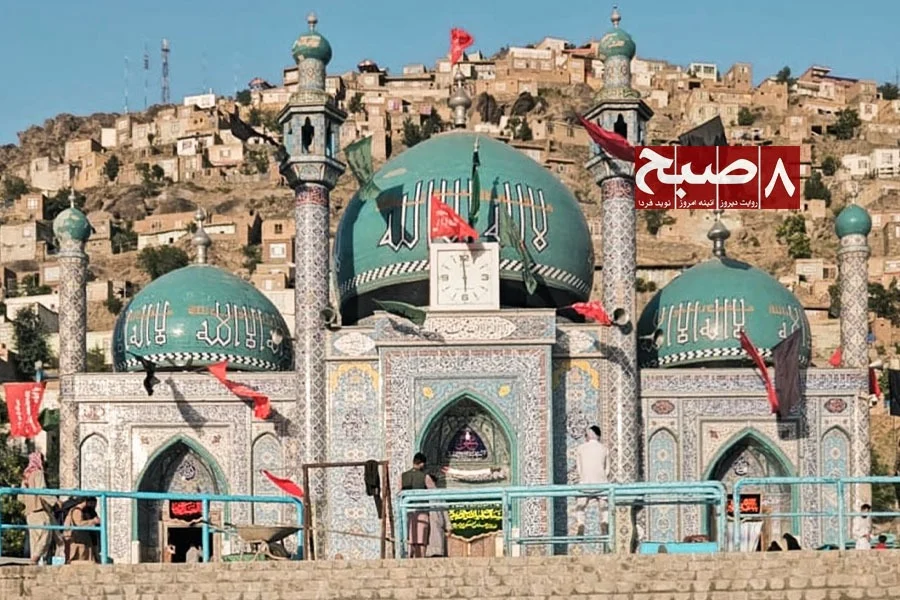
Worshippers gather at the Sakhi Shrine in Kabul, a site visited by Shia and Sunni followers alike, amid ongoing reports of restrictions on religious freedom in Afghanistan. (Photo credit: 8am.media)

8am.media

Several Afghanistan’s citizens are complaining about growing restrictions on religious freedom since the Taliban’s takeover of the country. They say these restrictions have, in recent years, affected the holding of ceremonies and the performance of certain religious rites. According to them, specific orders and restrictions have also been imposed by the Taliban on holding several religious ceremonies. They add that this situation has limited the ground for freely holding some religious programs.

Followers of the Shia, Ismaili and Sunni faiths, speaking to the Hasht-e Subh Daily, are calling for religious freedom to be respected and for conditions to be created that allow followers of different faiths in the country to perform their religious rites. They say religious freedom is not limited to holding ceremonies alone but also includes the free performance of religious rites and activities. They emphasize that followers of different faiths should be able to hold their religious ceremonies and rites without additional restrictions. In their view, the continuation of these restrictions could affect coexistence among followers of different faiths and the preservation of religious diversity in Afghanistan.

Nastaran, one of the country’s citizens, says followers of different faiths in Afghanistan do not enjoy full freedom in performing their religious ceremonies and rites. She adds: “In my view, followers of different faiths in Afghanistan do not have freedom in performing their religious ceremonies and rites. With the change of the political system, a series of restrictions have been imposed, and people can no longer hold their religious ceremonies freely wherever they wish, as they could before the Taliban period.”

Rustam, another resident of Kabul, says that instead of strengthening religious coexistence, the Taliban have created restrictions on certain religious ceremonies and rites. According to him, the continuation of these restrictions could affect relations among followers of different faiths and further deepen religious disputes.

Rustam says: “Religious freedom must be guaranteed, but the Taliban are gradually increasing restrictions. Aside from the Hanafi school, they do not even recognize some branches of the Sunni faith. The Taliban must respect all faiths; otherwise, religious discrimination will increase, coexistence will break down, and disputes within society will grow. People must be able to freely choose and practice their religious beliefs.”

Aref Yaqoub, another resident of the country, says religious freedom is achieved when followers of different faiths can practice their beliefs and religious rites without discrimination. He adds that a lack of sufficient awareness of religious matters, combined with the Taliban’s treatment of followers of certain faiths, has increased discrimination and restrictions on the performance of their religious rites. According to Yaqoub, ensuring equal rights for followers of different faiths and establishing clear laws to protect religious freedom could prevent an increase in religious disputes.

This Kabul resident says: “We are Sunni people and followers of the Hanafi school, and the foundation of our faith rests on moderation and balance in religion. But in my view, [the Taliban] take an extremist approach, and this extremism has meant that followers of some faiths cannot practice their beliefs freely. Sometimes people or the Taliban take positions on the religious beliefs of others and create restrictions for them. In our own area, there is a Hanafi sheikh who calls Shias infidels, and we have heard these remarks from him several times. Some of his students also used to say that our enemy is first the Jews and then the Shias. We have seen and heard these things directly. To strengthen coexistence among followers of different faiths, public awareness of religious issues must first be increased. Those who exploit religious issues for their own interests cause extremists to grow in number and religious disputes to increase.”

Bibi Zarina, a follower of the Ismaili faith, says followers of this faith in some regions, including Badakhshan, face restrictions in holding their religious ceremonies and activities. She adds that in Shighnan, some individuals affiliated with the Taliban and the Ministry for the Propagation of Virtue and Prevention of Vice consider Ismaili religious beliefs to be incorrect and interfere in how they perform their religious rites. According to Zarina, the closure of “Bait-ul-Ilms” and the confiscation of books and materials related to the Ismaili faith have restricted children’s and young people’s access to religious education in this community. She also says that fear of confrontation and pressure has led some Ismailis to avoid disclosing their religious identity. She emphasizes that the continuation of this situation restricts religious freedom and the right of followers of different faiths to freely practice their beliefs and religious rites.

Zarina says: “We hold our religious ceremonies in the Jamat Khana, and women and men observe hijab and participate separately from one another during ceremonies. Despite some restrictions, we can still pray in the Jamat Khana and hold marriage and other religious ceremonies. But in Shighnan, the problems are greater. The Taliban and the Ministry for the Propagation of Virtue and Prevention of Vice tell Ismaili people that our religious teachings are incorrect, and they even interfere in how we perform our prayers and religious ceremonies.”

This woman adds: “It has been a long time since the Bait-ul-Ilms were closed and books related to the Ismaili faith were confiscated. Instead of going to the Jamat Khana and Bait-ul-Ilm, children and young people are sent to madrasas, and we are worried that the Taliban’s own interpretation of the Ismaili faith will be passed on to them. Some Ismailis also do not disclose their religious identity for fear of being beaten or confronted. We even have reports from Badakhshan that several Ismailis have been forced to change their faith, and this has caused great concern among the people.”

These complaints come as international reports also point to restrictions on religious freedom in Afghanistan. The United States Commission on International Religious Freedom (USCIRF), in its 2026 report, said that the state of religious freedom in Afghanistan remained very poor in 2025 and that the Taliban have imposed a single interpretation of Islam on society. According to the commission, this situation has particularly affected women, girls and religious minorities.

The commission, at a September 23, 2026 session on religious freedom in Afghanistan, also said that followers of the Shia and Ismaili faiths, as well as religious minorities such as Christians and Hindus, continue to face restrictions in carrying out their religious activities and rites.


You can read the Persian version of this report here:
شهروندان: طالبان آزادی مذهبی را محدود کرده‌اند

ShareTweetSendSendShare

Related Posts

Doctors attend to a patient in a hospital ward amid ongoing COVID-19 monitoring in Afghanistan. (Photo credit: AP)
Afghanistan News

WHO: No COVID-19 Deaths Recorded in Afghanistan Since January

27 September 2026 [t_time:1790531677]
The emblem of the Afghanistan Freedom Front (AFF), a resistance movement that has pledged to cooperate with the UN's newly established independent accountability mechanism to document human rights violations and Taliban crimes in Afghanistan.
Afghanistan News

Freedom Front Claims 37 Taliban Fighters Killed in Nuristan and Kunar

27 September 2026 [t_time:1790530890]
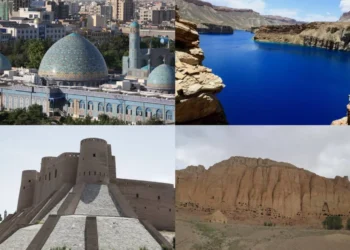
A collage highlights Afghanistan’s historic sites and diverse cultural and natural heritage. (Photo credit: UNAMA)
Afghanistan News

UNAMA: Afghanistan Has Exceptional Tourism and Cultural Potential

27 September 2026 [t_time:1790530308]

Latest

Loading latest news...

Popular stories

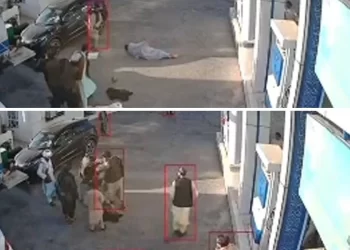
  • Surveillance footage shows Taliban fighters surrounding and shooting a bound man in Herat. (Photo credit: Social Media)

    Taliban Shoot Young Man from Herat After Torturing Him with Hands Tied

    Share
    Share Tweet
  • Al-Qaeda Releases Hamza bin Laden Message on 9/11 Anniversary

    Share
    Share Tweet
  • UN Report Reveals Shifts in Family Attitudes and Rise in Domestic Violence in Afghanistan

    Share
    Share Tweet
  • Asian University for Women: Protesting Students Face Expulsion

    Share
    Share Tweet
  • Pakistani Army Says Five Killed Over Alleged Links to Terrorism

    Share
    Share Tweet

Podcast

Insights
Insights

Join Lynne O’Donnell for 8AM’s podcast series, Insights.
Lynne talks with generals, diplomats, soldiers, journalists, politicians, activists, people who have front row seats for conflicts around the world, and citizens with a story to tell, happy or sad. For this first series, Afghanistan is the focus. Lynne and her guests talk about the collapse of the republic in August, 2021, and the impact since — for the people of Afghanistan, for the security of the region, for the safety of the world. It’s important, interesting and insightful.

Insights/22: Controlling the Narrative with Mina Sharif
byinsights8am

Controlling the Narrative

Lynne O’Donnell talks with Mina Sharif, author, activist, women’s rights campaigner, educator and mentor. They discuss who controls the narrative and who speaks for Afghanistan’s people when the Taliban appear to have seized control not only of the country but of the message, too.

Have a listen

Insights/22: Controlling the Narrative with Mina Sharif
Episode play icon
Insights/22: Controlling the Narrative with Mina Sharif
Episode Description
Episode play icon
Insights/21: Media Meltdown with Zahra Joya
Episode Description
Episode play icon
Insights/20: Terror Inc with Scott Richards
Episode Description
Episode play icon
Insights/19: Busting Stereotypes with Bushra Gohar
Episode Description
Episode play icon
Insights/18: Media Matters with Waliullah Rahmani
Episode Description
Episode play icon
Insights/17: What Goes Around Comes Around with Sima Samar
Episode Description
Search Results placeholder
Hasht-e Subh

8AM Media, also known as Hasht-e-Subh Daily, stands as Afghanistan's premier independent and non-profit newspaper, resonating as a beacon of journalistic integrity since its establishment in June 2007 by esteemed Afghan journalists and human rights advocates. With a steadfast commitment to citizen journalism and civic education, Hasht-e-Subh Daily has earned its place as the most esteemed publication in the nation.

Publisher: Sanjar Sohail
Email: [email protected]
Executive Director: Parwiz Kawa
Email: [email protected]

Read More

Citizens Say Taliban Have Restricted Religious Freedom

WHO: No COVID-19 Deaths Recorded in Afghanistan Since January

Freedom Front Claims 37 Taliban Fighters Killed in Nuristan and Kunar

UNAMA: Afghanistan Has Exceptional Tourism and Cultural Potential

India Sends New Shipment of Medicines and Medical Supplies to Kabul

Editor’s Choice

Every Saturday morning, 8AM MEDIA English Services Department will guide you through the week’s biggest stories from Afghanistan and the international community.

Subscribe

© 2026 - ©Hasht-e Subh Daily

No Result
View All Result
8am.Media
پښتو ویب‌پاڼه
ویب‌سایت فارسی
اۉزبېکچه ویب‌سایت
  • Home
  • News
    • Afghanistan News
    • World News
  • Opinion
    • Editorial
    • Analysis
  • Reports
    • Daily Reports
    • Investigative Reports
  • Society
    • The story of people
  • Women’s Word
  • Columns
    • Three Years After Afghanistan’s Fall: The Taliban’s Resurgence
    • Towards Equality
    • The Resurgence of the Taliban: Two Years Since Afghanistan’s Fall
    • Hebatullah Report Special Edition
    • Resistance for Education Special Edition
    • Special Column on Taliban’s Education Curriculum
    • Nawroz
  • Interviews
  • Contact Us
    • About Us
    • 8AM MEDIA Annual Awards
    • Submit an Article to Hasht-e-Subh
  • 8am.media

© 2026 - ©Hasht-e Subh Daily