Many residents of Ghazni Province speak with growing concern about the rapid rise of rickshaw traffic in the city. They say the swelling number of rickshaws has crowded the streets and created daily problems for ordinary people. In a city with limited space and capacity, these vehicles no longer make travel easier. Instead, they disrupt traffic flow and create constant disorder. Residents also point out that rickshaws have damaged the city’s appearance while adding to noise and environmental pollution.
People in Ghazni Province say the smoke from the heavy movement of rickshaws, especially during winter, has led to breathing problems among residents. They urge the Taliban to consider the city’s population and size and take serious steps to regulate rickshaw movement. They believe proper management could protect both public health and urban order.
At the same time, some residents of Ghazni tell the Hasht-e Subh Daily that rickshaws play a positive role in urban transportation. They say this form of transport has made daily travel easier and more accessible for many people.
These residents stress that even though the city is small and the number of rickshaws is high, these vehicles have created jobs for many young people. For numerous families, rickshaws have become a source of income and a way to survive, helping reduce unemployment in difficult economic conditions.
Sediq Omar, a resident of the Kolah Sabz area of Ghazni Province, says the growing number of rickshaws has worsened traffic congestion across the city. He explains that authorities should allow only trained and experienced drivers who understand traffic rules to work in the transport sector. According to him, thousands of rickshaws now operate on Ghazni’s roads, yet the Taliban have not introduced any clear plan to control or regulate this situation.
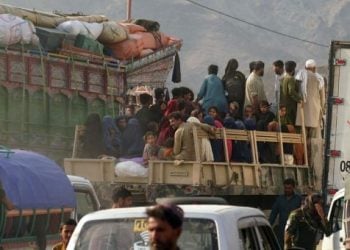
“In Ghazni city, wherever you turn your eyes, you see rickshaws,” Sediq Omar says. “Traffic accidents involving rickshaws happen frequently. Drivers carry more passengers than the vehicle can handle. They even seat people in the front, where there is only a metal bar. When an accident happens, the number of casualties is high because the rickshaw is used far beyond its capacity.”
Shukrullah, another resident of Ghazni Province, says the rising number of rickshaws has done more than clog the streets. In his view, it has taken away the city’s beauty and increased both noise and environmental pollution. He says Ghazni is simply too small to handle this volume of rickshaws. Despite witnessing these problems, he adds, Taliban traffic authorities have taken no serious or effective action so far.
“Before rickshaws appeared in the city, we had no traffic congestion,” Shukrullah says. “Since they entered the market, Ghazni has lost its beauty, and we spend hours stuck in traffic. Several times, when I was in a hurry, I had to get out of the car and walk because the road was completely blocked. This problem must be solved quickly. If someone is sick, you cannot reach the hospital on time, and all of this comes from the increase in rickshaws.”
Still, other residents see rickshaws as a solution rather than a problem. They believe these vehicles help people move around the city faster and at a lower cost. According to them, rickshaws provide income for many young people and should not be removed entirely. Instead, they argue, authorities should manage and regulate them in an organized and fair way.
Shabir, a resident of Ghazni city, describes rickshaws as cheap and easily available transportation for the public. He says they play an essential role in daily life, especially for low-income people, older residents, and those who do not own private cars.
“There is no doubt that the city is small and the number of rickshaws has increased,” Shabir says. “But these same rickshaws support thousands of families. Young people who drive them stay busy from morning to evening and at least stay away from drugs. No one should take away their livelihood. Instead, traffic authorities should manage the situation properly so people can travel without difficulty and rickshaw drivers can earn an honest living without being pushed toward the wrong paths.”
Rickshaws, small vehicles known for being cheap and practical, have become part of daily life in Ghazni city. They offer a quick and affordable way to move through the streets and also serve as a vital source of income for many families. The fare for a rickshaw is usually 10 afghanis, and on some routes it is 5 afghanis. They also transport goods at a low cost.
Earlier, a meeting of Taliban ministers instructed the group’s Ministry of Interior Affairs to prepare a plan to control imports and regulate rickshaw traffic in cities and present its findings. So far, no report has been made public.
The United Nations Human Settlements Programme (UN-Habitat) had previously warned about the rising number of traffic accidents and deaths in Afghanistan. The organization described these incidents as a preventable crisis and one of the leading causes of death in the country. It stressed that better road design, stronger protection for pedestrians, and lower vehicle speeds could help create safer cities.
You can read the Persian version of this report here: