
• 8AM.MEDIA
  • ویب‌سایت فارسی
  • پښتو ویب‌پاڼه
  • اۉزبېکچه ویب‌سایت
  • Podcast
Thursday, September 24, 2026
Hasht-e Subh
  • Home
  • News
    • Afghanistan News
    • World News
  • Opinion
    • Editorial
    • Analysis
  • Reports
    • Daily Reports
    • Investigative Reports
  • Society
    • The story of people
  • Women’s Word
  • Columns
    • Three Years After Afghanistan’s Fall: The Taliban’s Resurgence
    • Towards Equality
    • The Resurgence of the Taliban: Two Years Since Afghanistan’s Fall
    • Hebatullah Report Special Edition
    • Resistance for Education Special Edition
    • Special Column on Taliban’s Education Curriculum
    • Nawroz
  • Interviews
  • Contact Us
    • About Us
    • 8AM MEDIA Annual Awards
    • Submit an Article to Hasht-e-Subh
  • 8am.mediaBack
Subscribe
No Result
View All Result
  • Home
  • News
    • Afghanistan News
    • World News
  • Opinion
    • Editorial
    • Analysis
  • Reports
    • Daily Reports
    • Investigative Reports
  • Society
    • The story of people
  • Women’s Word
  • Columns
    • Three Years After Afghanistan’s Fall: The Taliban’s Resurgence
    • Towards Equality
    • The Resurgence of the Taliban: Two Years Since Afghanistan’s Fall
    • Hebatullah Report Special Edition
    • Resistance for Education Special Edition
    • Special Column on Taliban’s Education Curriculum
    • Nawroz
  • Interviews
  • Contact Us
    • About Us
    • 8AM MEDIA Annual Awards
    • Submit an Article to Hasht-e-Subh
  • 8am.mediaBack
No Result
View All Result
Hasht-e Subh
No Result
View All Result

The Taliban and Afghanistan’s Diplomatic Missions: The Danger of al-Qaeda’s Influence Abroad

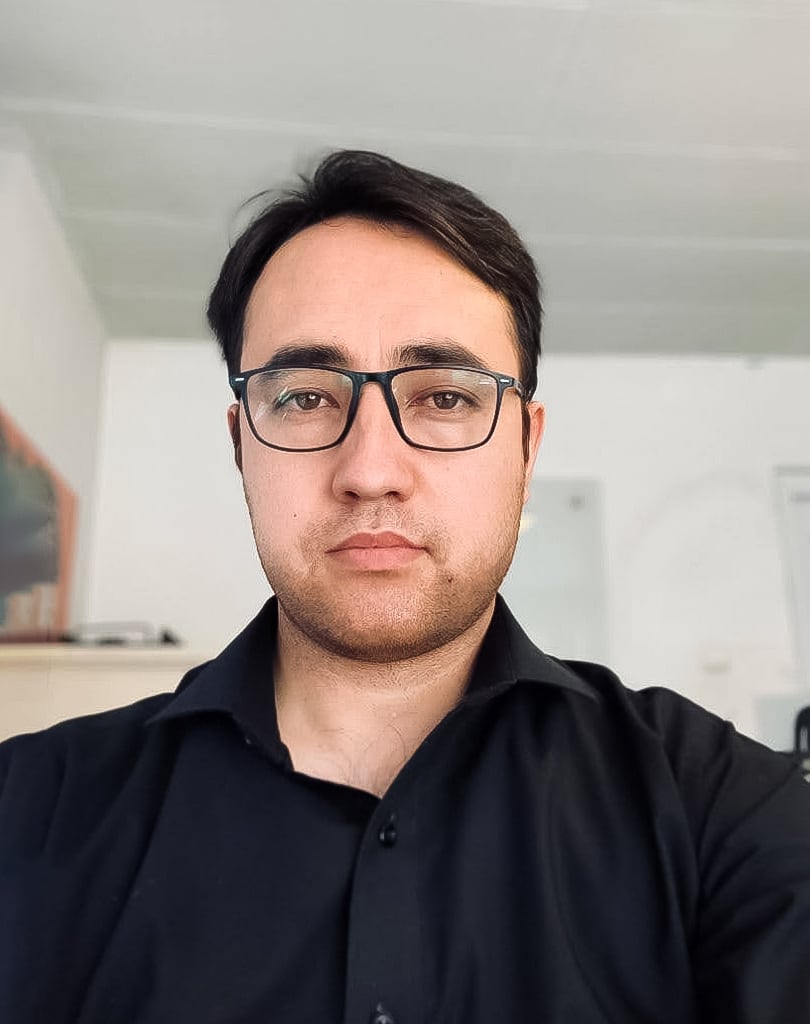
Mohammad Farhaad Mohammad Farhaad
11 October 2024 - Solar Hijri Date: 1403/07/21 [t_time:1728712055]
Hasht-e Subh Daily (8am Media) Editorial symbol.

The Taliban are steadfast allies of al-Qaeda and other radical jihadist organizations, excluding ISIS. Their relationships with these groups are primarily ideological, followed by pragmatic ties. Ideologically, they share a worldview, perspectives, goals, and agendas, leading to collaboration between the Taliban and these organizations. Pragmatically, they rely on one another for various forms of economic, security, and logistical support, which they have exchanged over the past three decades. The depth of their interwoven relationships transcends personal boundaries, resulting in familial bonds through marriages among their leaders and lower-ranking soldiers and fighters.

For these groups, the entangled relationships between the Taliban, al-Qaeda, and other terrorist organizations present opportunities, while they pose a threat to others—especially democratic societies and systems. In any country where the Taliban gain a foothold and establish a normal presence, alleviating security concerns, the potential for extremist groups to become active significantly increases. The Arab Spring experience demonstrated that whenever a political Islamist group came to power or joined the ruling system—regardless of whether it was deemed relatively moderate—it opened the door for other radical groups to operate. The most extreme elements found opportunities in public life and influenced major national decisions. For example, when the Muslim Brotherhood won Egypt’s 2012 election, it created an environment where leaders of more radical groups, such as al-Jihad and al-Gama’a al-Islamiyya, not only regained their freedom but also entered the government. Individuals previously imprisoned for involvement in the assassination of Anwar Sadat and other political figures emerged in the media, becoming influential in society and culture while participating in high-level political decision-making processes.

The complex relationships between the Taliban and other terrorist organizations, built over three decades and mutually beneficial, are unlikely to change in the short term, even if the Taliban leadership desires it. However, specific actions by the Taliban’s Amir al-Mu’minin (Supreme Leader) indicate that no such desire exists, particularly as he pursues stricter policies. The financial support the Taliban currently receive from certain countries under the Doha Agreement may now exceed the aid they previously obtained from al-Qaeda and other extremist groups, but their engagement with these countries remains tactical. Various factors hinder the development of sufficient trust to establish strategic partnerships. Presently, the Taliban’s relationships with China, Russia, and Iran raise significant concerns among Western decision-makers, while the funds they receive from some Western entities alarm the Russians, Iranians, and Chinese. In this context, al-Qaeda and other radical jihadist groups remain the Taliban’s only strategic allies, with whom they have developed mature cooperation mechanisms over the years. The Taliban have benefited from these groups’ expertise in suicide operations and other violent acts, as well as from their intelligence capabilities, financial resources, and logistical support, enabling them to challenge NATO forces in Afghanistan. Therefore, now that the Taliban are in power, they must reciprocate these groups’ assistance; failure to do so could lead to internal distrust, potentially resulting in the group’s collapse.

Given the deep ties between the Taliban and these organizations, the Taliban’s entry into any public activity—particularly diplomatic arenas and control of Afghanistan’s official embassies abroad—raises alarm bells for both Afghan citizens and host countries. Taliban control over any diplomatic institution equates to al-Qaeda and other extremist organizations gaining control as well. Diplomatic institutions, due to their immunity under international law, are significant and tempting targets for extremist groups, placing them at the top of their priority lists. The presence of Taliban members in these institutions poses not only a threat but also opens the door for terrorism to infiltrate one of the most sensitive sectors in international relations.

Recognizing the importance of official embassies and Afghanistan’s diplomatic institutions for their long-term goals, the Taliban prioritized influencing these entities from the first days of their takeover in Kabul. To achieve this, the Taliban’s diplomatic apparatus has employed various strategies, ranging from coercion to persuasion. After the fall of the Republic, some of Afghanistan’s diplomatic institutions secretly began cooperating with the Taliban. Some officials were motivated by ideological or ethnic ties with the group, while others aimed to preserve their positions and financial privileges, and a few sought immunity from previous corruption or financial charges. Conversely, several diplomatic missions have resisted submission to the Taliban and made significant efforts to prevent their influence. Shifts in the policies of certain regional countries may, however, open the door for terrorists to infiltrate diplomatic institutions—especially in countries eager to hand over these institutions to Taliban representatives due to their political competition with the West. These countries hope that al-Qaeda and other terrorist groups will seize this opportunity to advance toward another 9/11.

You can read the Persian version of this editorial here:

طالبان و نماینده‌گی‌های دیپلماتیک افغانستان؛ خطر نفوذ القاعده به کشورهای دیگر | روزنامه ۸صبح 
ShareTweetSendSendShare

Related Posts

A composite editorial image depicts a Taliban fighter against the backdrop of Iranian and American symbols, reflecting the deepening geopolitical rivalry over Afghanistan's role in regional power dynamics. (Photo Credit: Social Media)
Analysis

Afghanistan: A New Battlefield as Iran and America Redraw the Taliban’s Role in Regional Power

23 September 2026 [t_time:1790168262]
A border facility in a mountainous area of Paktia, with the Pakistani flag flying in the background (Photo: Exclusive)
Afghanistan News

Taliban and Pakistani Forces Clash in Paktia, Sources Say

23 September 2026 [t_time:1790163223]
Sheikh Mohammad Hamidi – the arrestee (Photo: Exclusive)
Afghanistan News

Taliban Arrest Shia Cleric and Raid His Home in Ghor

23 September 2026 [t_time:1790159283]

Latest

Loading latest news...

Popular stories

  • Hamza bin Laden - the son of Osama bin Laden (Photo: Social Media)

    Al-Qaeda Releases Hamza bin Laden Message on 9/11 Anniversary

    Share
    Share Tweet
  • UN Report Reveals Shifts in Family Attitudes and Rise in Domestic Violence in Afghanistan

    Share
    Share Tweet
  • Pakistani Army Says Five Killed Over Alleged Links to Terrorism

    Share
    Share Tweet
  • Asian University for Women: Protesting Students Face Expulsion

    Share
    Share Tweet
  • U.S. Defense Secretary Calls Washington Post Worse Than Iranian State Media

    Share
    Share Tweet

Podcast

Insights
Insights

Join Lynne O’Donnell for 8AM’s podcast series, Insights.
Lynne talks with generals, diplomats, soldiers, journalists, politicians, activists, people who have front row seats for conflicts around the world, and citizens with a story to tell, happy or sad. For this first series, Afghanistan is the focus. Lynne and her guests talk about the collapse of the republic in August, 2021, and the impact since — for the people of Afghanistan, for the security of the region, for the safety of the world. It’s important, interesting and insightful.

Insights/22: Controlling the Narrative with Mina Sharif
byinsights8am

Controlling the Narrative

Lynne O’Donnell talks with Mina Sharif, author, activist, women’s rights campaigner, educator and mentor. They discuss who controls the narrative and who speaks for Afghanistan’s people when the Taliban appear to have seized control not only of the country but of the message, too.

Have a listen

Insights/22: Controlling the Narrative with Mina Sharif
Episode play icon
Insights/22: Controlling the Narrative with Mina Sharif
Episode Description
Episode play icon
Insights/21: Media Meltdown with Zahra Joya
Episode Description
Episode play icon
Insights/20: Terror Inc with Scott Richards
Episode Description
Episode play icon
Insights/19: Busting Stereotypes with Bushra Gohar
Episode Description
Episode play icon
Insights/18: Media Matters with Waliullah Rahmani
Episode Description
Episode play icon
Insights/17: What Goes Around Comes Around with Sima Samar
Episode Description
Search Results placeholder
Hasht-e Subh

8AM Media, also known as Hasht-e-Subh Daily, stands as Afghanistan's premier independent and non-profit newspaper, resonating as a beacon of journalistic integrity since its establishment in June 2007 by esteemed Afghan journalists and human rights advocates. With a steadfast commitment to citizen journalism and civic education, Hasht-e-Subh Daily has earned its place as the most esteemed publication in the nation.

Publisher: Sanjar Sohail
Email: [email protected]
Executive Director: Parwiz Kawa
Email: [email protected]

Read More

The Girl Who Dreamed for Others

Afghanistan: A New Battlefield as Iran and America Redraw the Taliban’s Role in Regional Power

Earning a Living in Fear and Humiliation: Taliban Morality Police Drive Working Women Deeper Into Isolation

Afghan Migrant Women Describe the Difficulties of Life in Iran

Broken Promises and Rising Fees: Students from Afghanistan at Yazd University Speak Out

Editor’s Choice

Every Saturday morning, 8AM MEDIA English Services Department will guide you through the week’s biggest stories from Afghanistan and the international community.

Subscribe

© 2026 - ©Hasht-e Subh Daily

No Result
View All Result
8am.Media
پښتو ویب‌پاڼه
ویب‌سایت فارسی
اۉزبېکچه ویب‌سایت
  • Home
  • News
    • Afghanistan News
    • World News
  • Opinion
    • Editorial
    • Analysis
  • Reports
    • Daily Reports
    • Investigative Reports
  • Society
    • The story of people
  • Women’s Word
  • Columns
    • Three Years After Afghanistan’s Fall: The Taliban’s Resurgence
    • Towards Equality
    • The Resurgence of the Taliban: Two Years Since Afghanistan’s Fall
    • Hebatullah Report Special Edition
    • Resistance for Education Special Edition
    • Special Column on Taliban’s Education Curriculum
    • Nawroz
  • Interviews
  • Contact Us
    • About Us
    • 8AM MEDIA Annual Awards
    • Submit an Article to Hasht-e-Subh
  • 8am.media

© 2026 - ©Hasht-e Subh Daily