Understanding The Depth Of The Tragedy And The Necessity Of Response
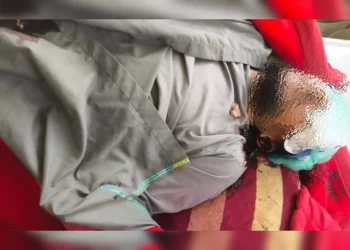
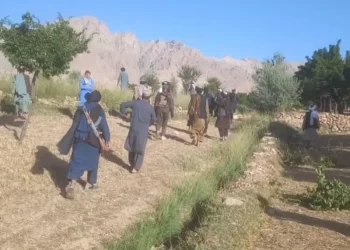
On Saturday, July 21st, Taliban-uniformed individuals murdered a Hazara Shia cleric named Rustam Rahimi with knife blows in the Shashpar area of Khas Uruzgan district, Uruzgan province, and then fled the scene. This killing is part of a series of murders of Hazara people in this district over the past three years under Taliban rule. This marks at least the twentieth murder in the past three years.
The tragic incident of Rahimi’s murder in Uruzgan has reopened an old wound in the body of the Uruzgan community. This regrettable event is not just a crime; it symbolizes the structural violence, discrimination, and hatred rooted in the complex and multi-layered history of this country.
Once again, innocent blood has been shed, and another cry of oppression has reached the heavens. Rahimi, a simple cleric who was devoted to worship and serving his fellow humans, was killed by individuals who consider themselves defenders of religion and Sharia.
The murder of this defenseless cleric is not merely a crime but a sign of the deep-seated hatred and violence in a society that once was a cradle of civilization and culture. This tragic event is a wake-up call for all of us, showing that in some parts of our country, humanity and ethics have been replaced by violence and vengeance.
This incident is a direct result of misguided policies, systemic discrimination, and a lack of equal opportunities for all social groups. To better understand this tragedy, we must consider the roles of recent wars, foreign interventions, and widespread poverty in Afghanistan. These factors, along with a culture of violence and revenge, have created a fertile ground for such incidents.
Moreover, this event is also a warning for the international community. The global community must fulfill its responsibility towards the Afghan crisis by supporting the peace process, providing humanitarian aid, and strengthening civil institutions to help the Afghan people emerge from this crisis.
The murder of Rahimi is not just an isolated incident but part of a larger puzzle of violence that has occurred in Uruzgan and other parts of the country in recent years. The burning of crops, cutting down of trees, senseless killings, and beheadings all point to a deep human crisis.
The bitter question of why humans inflict such cruelty on each other has preoccupied minds for years. The roots of this violence must be sought in misguided beliefs, incorrect interpretations of religion, social and economic deprivation, and a lack of justice. However, we must not forget that violence begets violence. Every act of violence sows seeds of hatred and resentment in hearts, perpetuating the cycle of violence. To break this cycle, we need dialogue, empathy, and a collective effort from all members of society.
The murder of Rahimi is a great tragedy, but we hope that this sad event will awaken sleeping consciences and lead society towards greater unity and solidarity. The memory and name of Rahimi and all innocent martyrs of this land will always remain alive in our hearts.
This murder reminds us of the harsh reality that we still have a long way to go to achieve a society free from violence and discrimination. We need national dialogue, empathy, and cooperation to heal old wounds and build a better future for future generations. As humans, we have a responsibility not to remain silent in the face of these injustices and to bring the voices of the oppressed to the world. We must seek ways to eradicate the roots of violence in society and replace it with a culture of peace and tolerance.
To establish lasting peace in Afghanistan, we need a comprehensive approach that includes reforming the education system, strengthening the economy, creating employment opportunities, and promoting a culture of peace and tolerance. Additionally, we must focus on the role of women in peace-building and support their active participation at all decision-making levels.
The Roots Of These Violence
The murder of this defenseless cleric is not just an individual incident but a sign of deep social, cultural, and political challenges in the region. The roots of this violence can be found in multiple factors, including economic deprivation, discrimination, lack of justice, extremist interpretations of religion, foreign provocations, and ethnic and tribal rivalries. These factors collectively create a conducive environment for the growth and spread of violence.
Looking at these incidents, the roots of this calamity are traced back to ancient times. Ethnic and tribal conflicts, existing since ancient times in this land, manifest today as bloody violence. Each ethnic group and tribe, to preserve its identity and interests, has resorted to weapons.
Foreign interventions have also exacerbated the situation. Throughout history, major powers have targeted this land for their interests, equipping and strengthening extremist groups and fueling the flames of war. Poverty and unemployment have driven many into the arms of terrorist groups, adding to the economic and social vulnerabilities and escalating the violence.
The lack of rule of law and the weakness of governmental institutions have also contributed to this turmoil. Corruption and government inefficiency have plunged this land into crisis.
Consequences Of This Incident
This tragic event, in addition to profoundly impacting the victim’s bereaved family and the local community, will have widespread consequences for the entire country. Increased insecurity, distrust, and hatred in society weakening of the state’s foundations, and the expansion of extremist groups’ activities are among the most significant outcomes. Additionally, such incidents can lead to forced migrations, the destruction of infrastructure, and the creation of humanitarian crises. These brutal acts are not only condemned from a human and ethical perspective but also require deep reflection and contemplation from a scientific and moral viewpoint.
From a human perspective, these acts signify the negation of inherent human values and fundamental rights. Every human being, regardless of identity and beliefs, has intrinsic dignity and honor that should not be violated. Murder and beheading are forms of disrespect to this dignity and a violation of the fundamental right to life.
From a scientific perspective, these acts are manifestations of violence and aggression in humans. Psychologists and sociologists believe such acts stem from hostile feelings, fear, anger, and hatred, and represent a destructive response to difficult and unpleasant situations.
These acts also indicate a lack of empathy and social cohesion. Individuals who commit such acts perceive others as “enemies” and feel no responsibility towards them. This issue stems from social gaps, inequalities, and ethnic and religious conflicts.
Murder and beheading symbolize moral and human degradation. Such acts not only cause suffering and pain to the victims but also ensnare the perpetrators in a web of violence and depravity, stripping them of their humanity.
Examining the dimensions of this violence reveals multiple aspects.
Social Dimensions: This murder results directly from ethnic and religious tensions that have intensified over the years. Intolerance, bigotry, and extremism create a conducive environment for such incidents.
Political Dimensions: Afghanistan’s unstable political conditions, especially after the withdrawal of foreign forces, have heightened insecurity. Armed and power-seeking groups exploit these conditions, fueling conflicts.
Economic Dimensions: Poverty, unemployment, and economic inequality are crucial factors that fuel violence. When people are deprived of basic living necessities, they easily fall under the influence of propaganda and provocations.
Cultural Dimensions: The culture of violence, revenge, and tribalism has deep roots in Afghan society. This culture facilitates the institutionalization of violence and obstructs the peaceful resolution of conflicts.
Role Of The Media
The media plays a crucial role in shaping public opinion and promoting a culture of peace and tolerance. They should avoid inciting emotions, publish accurate and reliable news, and foster constructive dialogue to help reduce tensions and create a space for conversation. As the most powerful tool for influencing public opinion, the media has a significant responsibility in addressing the issue of violence. Ethical thinkers believe that the media should cover these topics by adhering to ethical and human principles.
The media can help prevent such acts by providing in-depth analysis and examining the roots of violence in society, thereby raising awareness among individuals. Moreover, they should respect human dignity and victims’ rights in their news and reports.
Psychological and sociological studies show that the media can play a role in increasing or decreasing violence. For example, extensive coverage and constant repetition of violent news can reinforce violent behavioral patterns. Additionally, depicting violence in the media, especially in films and video games, can lead to the acceptance and imitation of such behaviors among children and adolescents.
On the other hand, responsible and aware media can play an effective role in reducing violence and promoting a culture of dialogue and empathy by appropriately covering violence, offering constructive solutions, and conveying peaceful messages.
Therefore, as the most powerful communication tool in society, the media has a significant responsibility in preventing and reducing violence. This responsibility spans ethical and human dimensions to scientific and psychological aspects.
Responsibility Of Governments And International Organizations
Governments have the primary responsibility of ensuring the security and well-being of their citizens. They must strive to create a safe and stable society through appropriate policy formulation and implementation. International organizations should also assist crisis-stricken countries by providing financial and technical aid and supporting development programs.
We hope that one day such brutal acts will be eradicated from human societies, and people, relying on reason and conscience, will move towards peace and peaceful coexistence.
You can read the Persian version of this analysis here: