Despite three years under Taliban rule, no country has officially recognized this group. Although some countries (China, Kazakhstan, the United Arab Emirates, Pakistan, Iran, Turkmenistan, …) have progressed to accepting the group’s ambassadors and representatives. Additionally, Kazakhstan has removed the group from its list of terrorist organizations and has initiated the establishment and normalization of relations with them. Russia is also considering removing the Taliban from its list of terrorist groups. These countries, by establishing relations with the Taliban, seek to secure their economic, commercial, and security interests in Afghanistan.
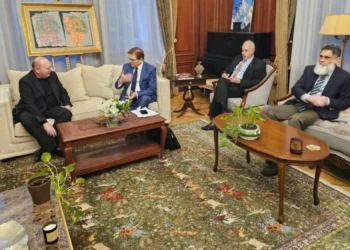
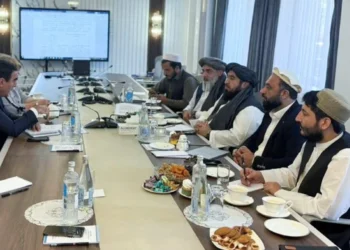
Tajikistan, a northern neighbor of Afghanistan, has taken a pessimistic view of the Taliban’s resurgence, to the extent that its politicians have not hesitated to express their dissatisfaction with the group, leading to verbal tensions and conflicts between the two sides. Tajikistan is the only Central Asian country with a shared border with Afghanistan that has acted cautiously in establishing relations with the Taliban. The country has so far refrained from handing over the Afghan embassy to the Taliban. However, Tajik representatives have engaged in discussions with the Taliban over the past three years. In the latest instance, representatives from both sides discussed issues such as the transfer of Tajikistan’s electricity to Afghanistan, border disputes, and the Ansarullah movement—matters that reflect the cautious, interest-based approach of this country.
Where do the roots of the discord between Tajikistan and the Taliban lie? I will attempt to answer this question in this note.
Is Tajikistan a Supporter of Anti-Taliban Movements?
Tajikistan shares extensive linguistic, cultural, historical, and ethnic ties with the Tajiks of Afghanistan, making it close to this ethnic group. Emomali Rahmon, the President of Tajikistan, has a close and strong relationship with the Northern Alliance, especially the Jamiat-e Islami party. Tajikistan’s relationship with anti-Taliban groups and the Jamiat-e Islami party, mostly composed of Tajiks, dates back to the country’s civil war between 1992-1997, a period following its independence when conflicts arose among Islamist, nationalist, communist, and ruling democratic parties. Burhanuddin Rabbani, the President of the Islamic State of Afghanistan, held a meeting from May 17-19, 1995, in Kabul to facilitate dialogue among the warring factions in Tajikistan’s civil war. That meeting facilitated discussions and provided the first face-to-face dialogue among the warring factions since the start of the civil war. This event led to a close relationship between Emomali Rahmon, Jamiat-e Islami, and the Northern Alliance. This closeness has persisted in Tajikistan’s policies and stance against the Taliban, aligning with anti-Taliban movements such as the Jamiat-e Islami party of Afghanistan, the National Resistance Front of Afghanistan, and other Taliban-opposed factions. Tajikistan is also home to several anti-Taliban figures, a situation that has led to tension and anger from the Taliban towards the country.
Tajikistani Terrorists in Afghanistan
Another factor contributing to Tajikistan’s discord with the Taliban is the threat of terrorism that the Taliban’s rise poses to Tajikistan. Islamist groups have criticized Emomali Rahmon for his strict “non-Islamic” policies—which, according to his opponents, include regulations like the short beard and women’s dress code. These Tajik Islamist forces, mostly based in the autonomous province of Badakhshan and some in Afghanistan and its northern regions, have consistently criticized the Tajik government and pressured Emomali Rahmon for his non-Islamic policies. One of these groups is the Jamaat Ansarullah, which seeks to establish an Islamic government in Tajikistan. This movement is considered the most significant threat to Emomali Rahmon’s government.
Rahmon’s concern over the Taliban’s resurgence is rooted in the challenge of the “spillover” of the Taliban’s model of resistance against the government. National challenges are rarely confined within one country’s borders. With the Taliban’s rise to power, the group could serve as a model for regional Islamist and radical groups. Regarding Tajikistan, Rahmon is making every effort to counter Jamaat Ansarullah.
During the three-year rule of the Taliban, Tajikistan’s relations with the group have always been tense. Unlike other Afghan neighbors, Tajikistan has acted cautiously in establishing relations with the Taliban by supporting anti-Taliban groups. Another reason for the discord between the two sides is the presence of Tajik groups opposed to Emomali Rahmon’s government within the Taliban-controlled regime.
You can read the Persian version of this analysis here: