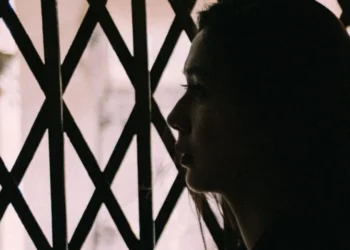
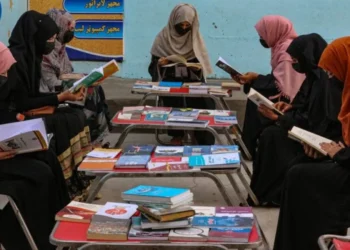
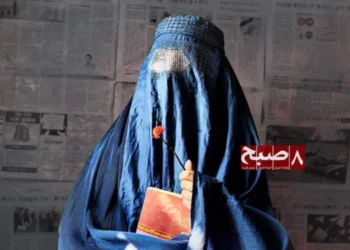
June 10 has been named “World Handicrafts Day” in celebration of craftsmanship and creativity. But in my homeland, this day is more than a tribute to art—it’s a narrative of resilience, endurance, and resistance. After schools and universities were closed to girls, despair cast a shadow over life. The sky of girls’ dreams became veiled in sorrow. In such conditions, silence and seclusion seemed the only imaginable paths for them, but even then, the girls of this land refused to remain silent. With trembling hands but steadfast hearts and upright postures, they gave life to lifeless threads and turned to the art of handicrafts.
In those early days when the university doors slammed shut on young women, it was as if the voices of thousands of girls broke in their throats. Silence and suffocation prevailed. Yet, in this suffocating atmosphere, some girls rolled up their sleeves and, through sheer determination, said “no” to the status quo. Behishta was one of them. A fifth-year medical student at Kabul Medical University, she was on the brink of fulfilling her dream. She had longed to become a doctor—to wear the white coat, a symbol of saving lives. Through this path, she hoped to heal people’s pain and restore hope. But overnight, all her dreams crumbled into dust—dreams that were meant to be shaped by effort, education, experience, and purpose. Now everything had gone silent: no chalkboards, no professors, no classmates, no glimmer of hope, no light to guide the way.
Despair was so widespread that everyone believed Behishta would eventually collapse under the weight of her broken dreams. But they didn’t know that she came from the lineage of hope—a generation that refuses to bend under pressure. This storm didn’t break her spirit; it only deepened her roots. From the depths of those dark days, she discovered a glimmer of light and, with all her might, opened a window to brightness.
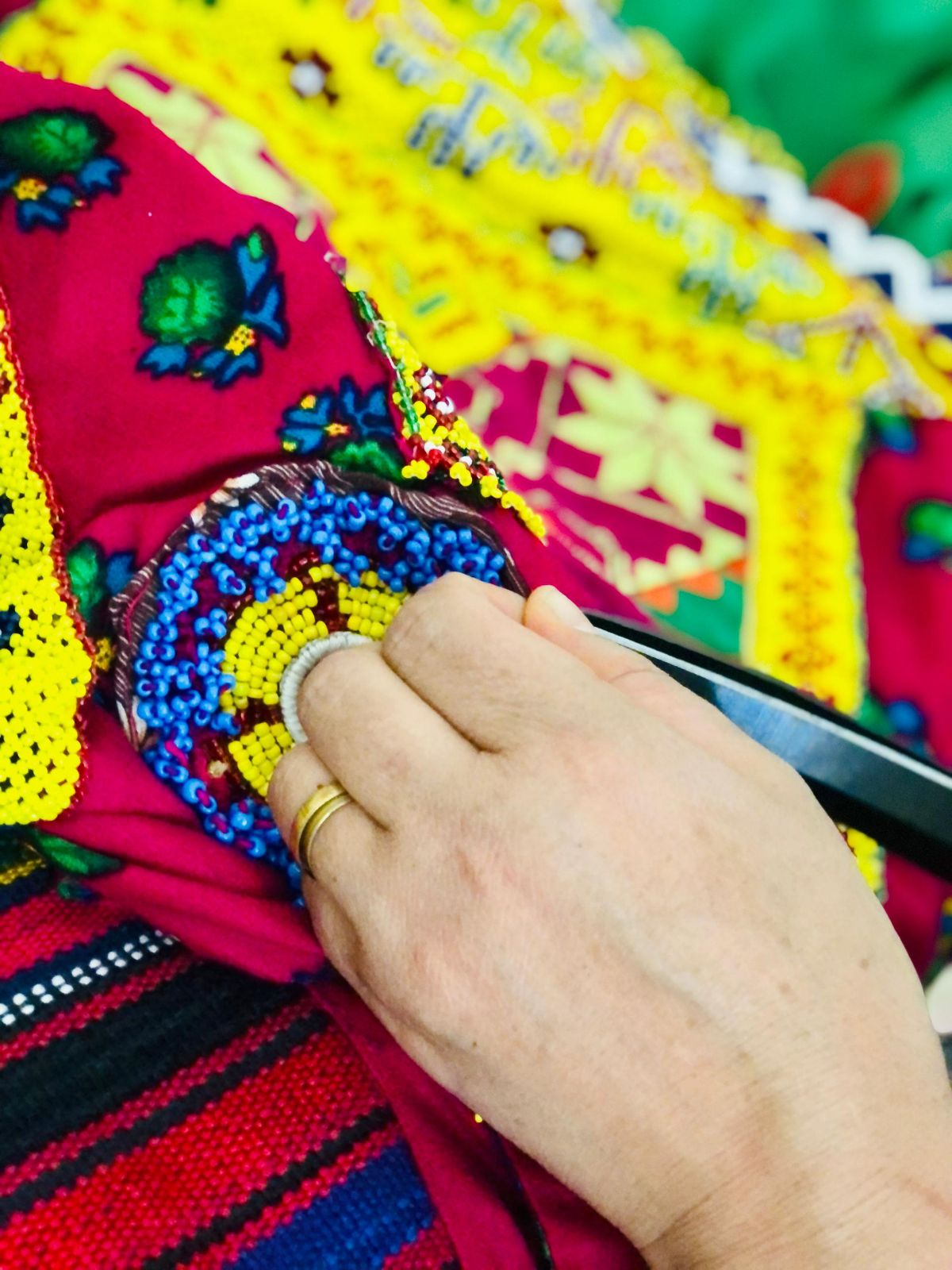
In those days, Behishta too was overwhelmed. Her heart, heavy with sorrow, no longer spoke of dreams. She withdrew into herself, taking refuge in the silence of her home. Then one day, her gaze fell upon her mother’s hands—hands that, for years, had lovingly and passionately woven colored threads into beautiful creations. Even now, they moved tenderly, weaving not just clothing but something far beyond. It was as if her mother was quietly painting beauty with each thread.
Behishta watched this scene for hours, captivated by the way her mother created with such love. Watching her brought a strange calm. She realized that this art wasn’t just about making garments—it was a tale of survival. A story of love, passion, and creativity.
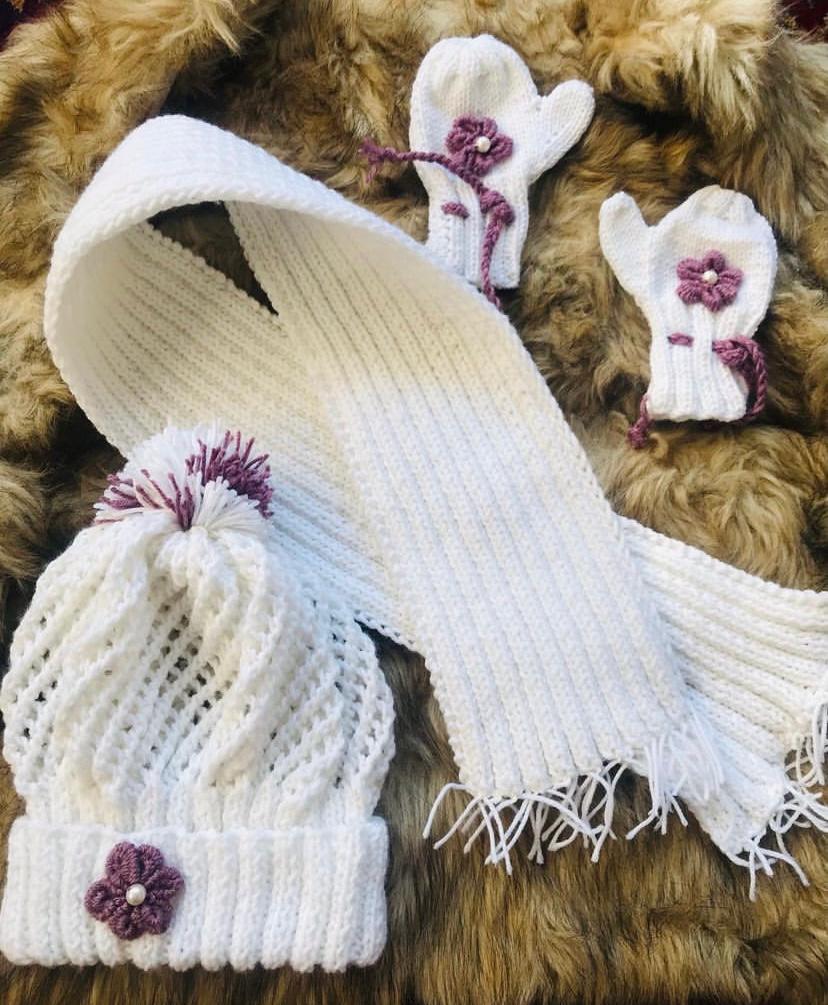
Inspired by her mother’s loving hands, Behishta picked up the knitting needles. With white yarn and a heart full of sorrow, she made her first small scarf—not perfectly stitched, not flawless, but overflowing with love. That moment marked a turning point in her life. Over time, her fingers became more skillful. She began creating soft scarves, elegant jackets, and handwoven bags. She shared her work with relatives and friends, and soon her art gained attention and admiration. Encouraged by this response, she launched an Instagram page to showcase her pieces. Her knitted creations brought smiles to her followers, and in doing so, her artwork found its voice.
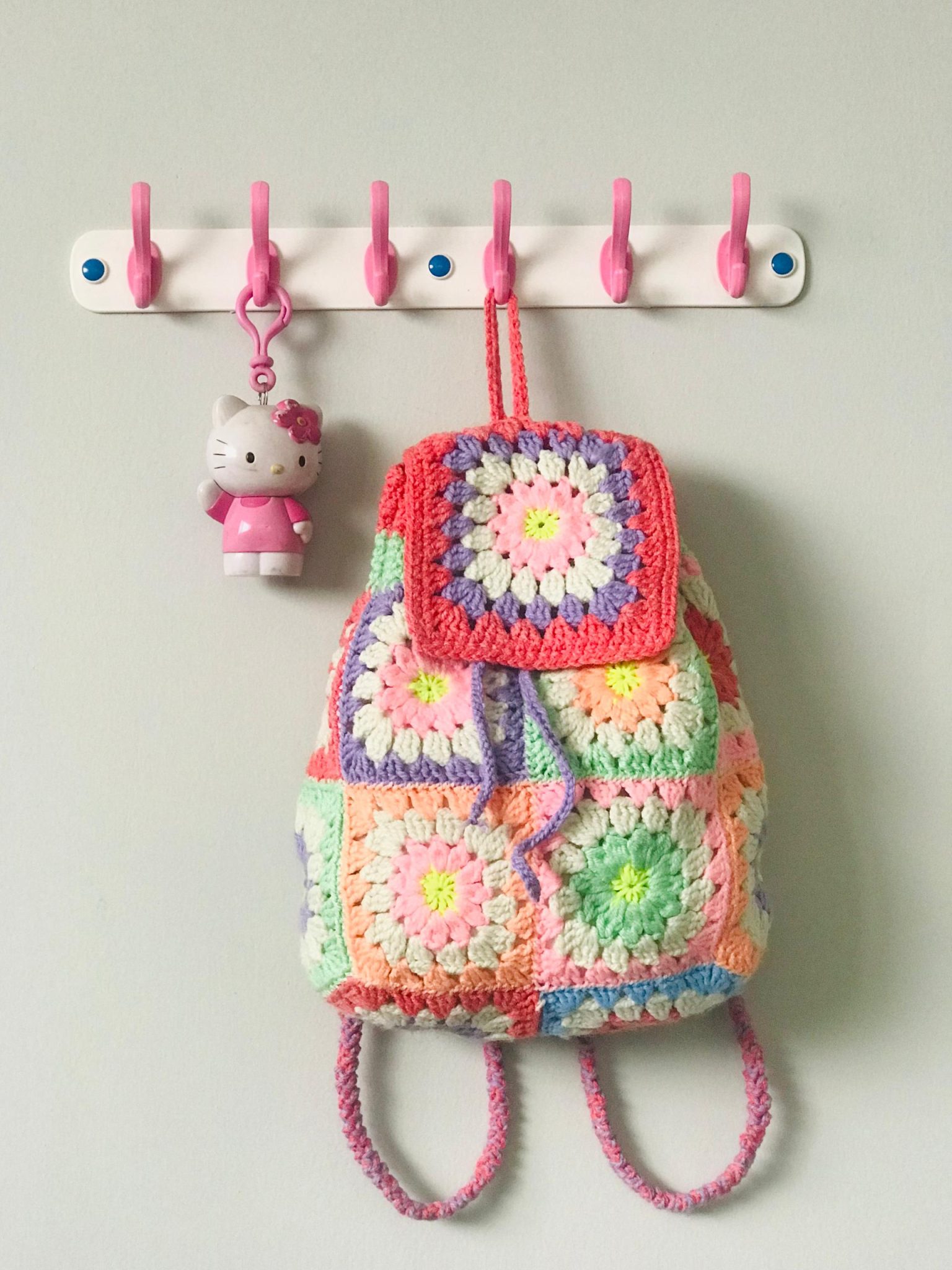
With every loop and stitch, Behishta didn’t just connect threads—she wove love into her creations. Each piece seemed alive, as she firmly believed that any work born of love has a soul and breathes.
Day by day, she progressed in her craft. She began her mornings filled with hope and passion. For her, weaving wasn’t just decorative—it was healing. Each knot she tied untangled a part of her weary soul, offering her a deep sense of peace and improving her emotional well-being.
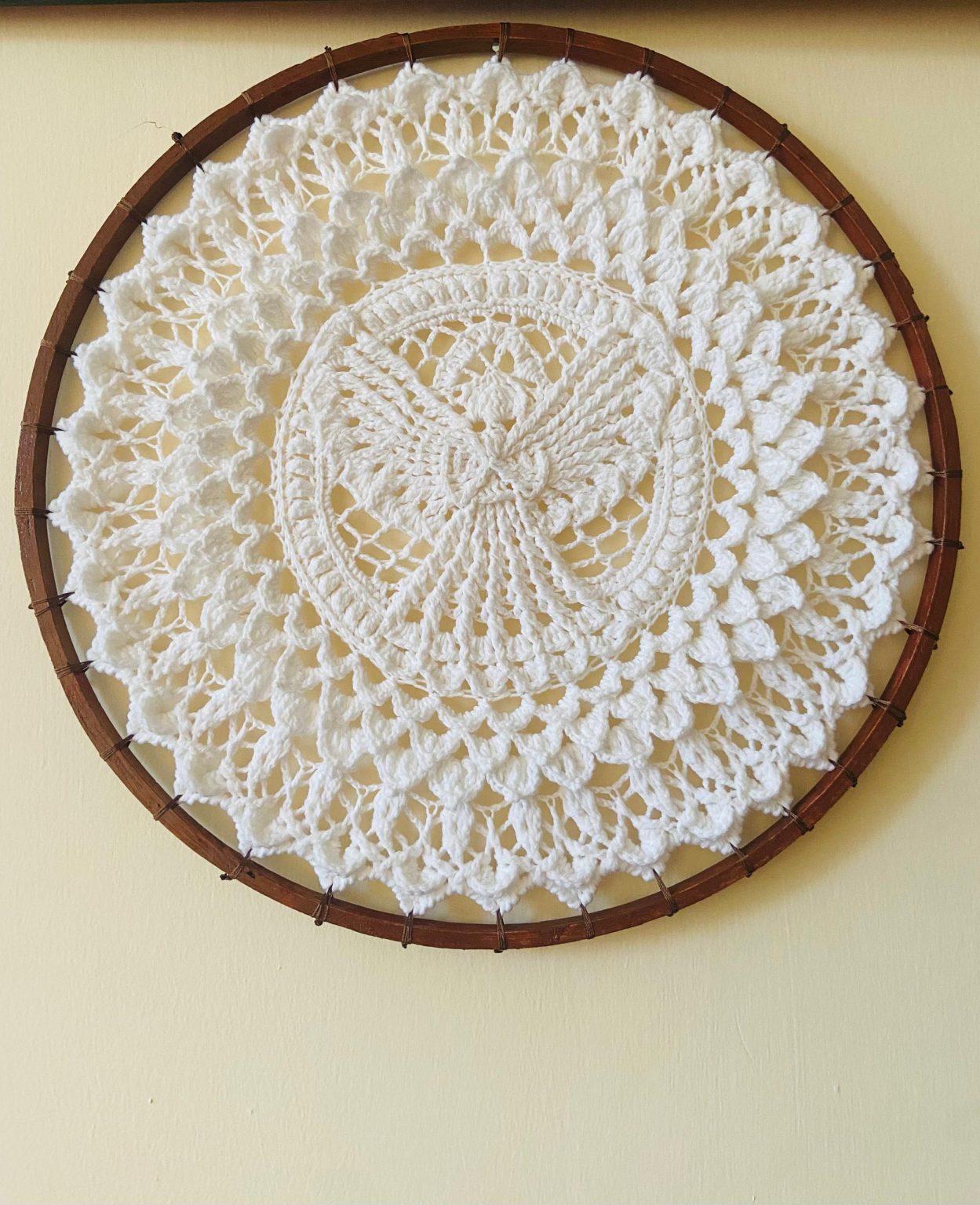
Through determination and the encouragement of friends and family, Behishta participated in several virtual handicraft exhibitions. Her work was met with praise and even brought her a modest income. Some visitors wrote to her, saying: “This is more than art—it’s a symbol of resistance in the face of crisis.”
Despite her success, Behishta never abandoned her books and pen. She reads daily, studies new languages in the morning, and attends online leadership and capacity-building classes in the evening to further enhance her skills. She wants to keep her mind sharp and not let darkness consume her spirit. Though she’s currently distanced from the path of medicine, the dream of becoming a doctor still lives in her heart. With each thread and every design, she remains the same girl who longs to ease pain through a white coat.
Amidst all the towering crises standing in the way of her dreams, Behishta has held on to her motivation to learn and build her future. She stands as a bright example for all the girls who have been deprived of education. In an age where silence hangs heavy over the gates of knowledge, she is a voice of hope and perseverance. Behishta and girls like her have not only carved out economic opportunities with their hands but have also reconnected with society, preserved their identity, and expressed their voices through the power of art. Today, Behishta is not just an artist and creator—she is a symbol of a girl who refused to surrender to crisis and brought light out of darkness. She firmly believes that even with closed doors, one must believe in light and new paths.
You can read the Persian version of this Afghan woman’s story here: