A group of traders, worried about the prolonged closure of the Torkham crossing, has raised urgent calls for the route to reopen. They say the shutdown has brought heavy losses, leaving goods worth billions of dollars trapped in Pakistan. According to the traders, alternative routes cost more and take much longer, and delays have already forced the cancellation of several contracts. These concerns come as trade ties between the Taliban and Pakistan have collapsed due to rising tensions and the border closures, with 50 days now passing since Torkham was shut.
Several traders told the Hasht-e Subh Daily that the closure of trade crossings with Pakistan, especially Torkham, has caused long delays for their goods, driven up food prices, and placed severe pressure on the private sector. They added that both traders and ordinary citizens are urging international organizations to step in and push for the immediate reopening of these routes.
Zalmai Azimi, a board member of the Nangarhar Chamber and head of the province’s Traders’ Union, said Pakistan has no right to hold the goods and assets of Afghanistan traders hostage. He explained that the shutdown of Torkham has frozen traders’ capital and delivered serious losses to the private sector. Azimi warned that many traders simply cannot afford to use alternative routes and that this situation has created dangerous challenges for the economy and trade of Afghanistan.
He said, “During this period alone, the private sector in Afghanistan has suffered about one billion dollars in losses, and nearly three million dollars in damage hits Afghanistan traders every single day. Right now, goods worth five billion dollars belonging to Afghanistan traders remain stuck in Pakistan.”
The head of the Nangarhar Traders’ Union continued, “The closure of Torkham has not badly affected basic items such as wheat, gas, and other essential goods, but prices for some products have climbed sharply. For example, the price of Malaysian cooking oil, once imported through the port of Karachi, has risen by about 75 percent, and sugar prices have increased as well. The truth is that Karachi was the cheapest and most reliable transit route for Afghanistan, and goods arrived on time. Now that this route is closed, traders’ capital is being held hostage in Pakistan, and many cannot afford other routes. In the end, Pakistan has created a major problem for the economy and trade of Afghanistan through this action.”
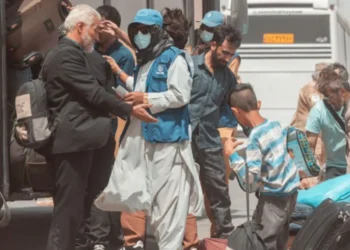
Yousuf Walizada (pseudonym), another trader, said the closure of Torkham has left their vehicles stranded in Pakistan, forcing them to pay daily demurrage fees. He and many other traders have appealed for the immediate reopening of the route, explaining that Karachi was the most affordable option and that alternative routes have sharply increased their costs.
He said, “Traders who used Pakistan for imports and exports now have their trucks stuck there because of the road closure. As long as the route stays blocked, demurrage is charged every day, and losses keep growing. The crossings must open for transit. The routes with Pakistan must reopen. Karachi was low-cost, but the other ports cost much more.”
Ghulam Yahya Meshkawani, another trader, said the continued closures of Torkham and Spin Boldak have caused long delays for cargo trucks and heavy losses for traders. He added that alternative routes take far more time and cost much more, and in some cases, slow deliveries have even canceled business contracts.
Meshkawani said, “Traders are now forced to use routes such as Chabahar, Bandar Abbas, or even air cargo. These options cost far more and have stretched delivery times from just 7 to 12 days to as long as 45 to 60 days. Some contracts have even been canceled because of this.”
At the same time, residents of Kabul, struggling with rising food prices, have also joined the call for stronger pressure from international institutions to reopen the Torkham crossing.
Rishad Faizi, a resident of District Eleven in Kabul, said higher food prices have pushed people deeper into economic hardship. He said, “Pakistan has done this before, but this time, global institutions must increase their pressure and force the country to reopen Torkham. They must also secure a commitment that this will not happen again, so traders can work freely and patients and students can travel without fear.”
Benafsha Ayoub (pseudonym), another resident of Kabul, agreed with Rishad and said rising food prices have made daily life for families even harder. She also urged international institutions to pressure Pakistan to reopen the crossings immediately.
She said, “Yesterday I went to buy groceries for my home, but rising prices meant I could not buy everything we needed. I had to leave some items behind. This situation puts heavy pressure on every family, and unemployment is already high.”
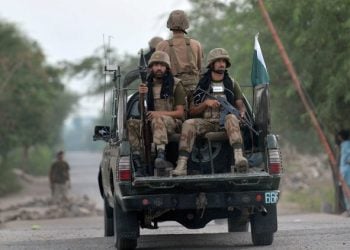
According to Pakistan’s Foreign Minister Ishaq Dar, speaking at a press conference in Islamabad on Saturday, November 29, 2025, the United Nations has asked Pakistan to reconsider its decision to close the crossings with Afghanistan. He added that after consulting the national leadership, Pakistan might allow essential food supplies to enter for civilians. However, by the time this report was published, more than 50 days had passed since the closure of Torkham, and not a single crossing had reopened.
Earlier, the Taliban Chamber of Commerce and Investment warned that keeping the crossings closed could cause losses of up to 200 million dollars per month for both sides.
The growing worry among Kabul residents and traders comes as Saif-ul-Islam Khyber, spokesman for the Taliban Ministry for the Propagation of Virtue and Prevention of Vice, made a mocking post claiming that the key to the gates of the border crossings with Pakistan in Helmand had been lost.
Khyber expressed satisfaction over the continued closure of Torkham at a time when thousands of patients and travelers remain trapped on both sides of the border, waiting in fear and uncertainty, hoping every moment for the crossings to reopen.
You can read the Persian version of this report here:
بنبست مرزی؛ بستهماندن گذرگاه تورخم تجارت افغانستان را فلج میکند