
Several citizens in the country claim that the Taliban’s judicial institutions often issue rulings based on ethnic and linguistic differences—decisions they view as unfair and favoring specific groups. In a recent case, the primary court in Nawur district, Ghazni province, ruled that dozens of local families, who were born and raised in the area, must surrender their homes and agricultural lands to Kuchis (nomads) and vacate the area promptly. This ruling followed a claim of ownership made by the Kuchis against the residents. The native residents of Nawur district believe the Taliban court’s ruling is unjust, accusing the Taliban of favoring the Kuchis due to ethnic and linguistic discrimination and seizing their properties. Many citizens criticize the Taliban for issuing rulings based on these divisions and urge them to abandon their linguistic biases.
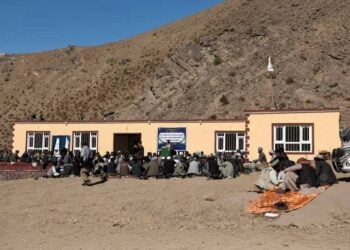
Local sources, speaking with the Hasht-e Subh Daily, reported that the Taliban court in Nawur district issued its ruling regarding this civil dispute on Monday, September 2, 2024. According to the ruling, the residents, who are Hazara and Persian-speaking, must surrender their homes, farmlands, and other immovable properties to the Kuchis within a month. Sources indicate that these properties include dozens of acres of agricultural land, pastures, and over 60 residential houses where the residents have lived their entire lives. These properties are located in the villages of Wagh, Sar Darya, and Baraki in Nawur district. Additionally, the court ruling requires the residents to leave the area as soon as possible or face legal consequences.
The residents explain that over the years, the Kuchis have set up temporary camps in this area while traveling but have never owned property there. They believe that now, with the Taliban in power and due to their linguistic ties with the Kuchis, the Taliban are siding with them and issuing favorable rulings. The residents assert that the order to evacuate homes and transfer properties in these three villages originated from the Taliban’s head of the Border and Tribes Directorate in Ghazni province. As winter approaches, families ordered to leave their shelters for the Kuchis are confused about where they will live, as constructing new homes in just a few months is not feasible.
This action by the Taliban has drawn criticism from Persian-speaking citizens across the country. Qorban Ali, a resident of Ghazni city, told the Hasht-e Subh Daily, “The residents of Wagh, Sar Darya, and Baraki villages inherited their homes and agricultural lands from their ancestors. These houses were built years ago and do not belong to the Kuchis, but the Taliban have ruled in favor of the Kuchis due to their ethnic and linguistic ties, handing over the private properties of Persian-speaking Hazaras.” He added, “This is not the first time the Taliban have ruled in favor of the Kuchis. Every lawsuit in Ghazni is determined by ethnic and linguistic factors.”
Khalil, a resident of Kabul, also criticized the Taliban’s rulings, stating, “The Kuchis are people who have never had a permanent residence. They migrate to warm areas in the winter and cold areas in the summer. Now, it is unfair to consider the land where they set up tents as their property.” He added that the Taliban’s rulings based on ethnic and linguistic differences are unjust and represent a clear form of oppression against non-Pashto speakers, warning that such actions will lead the country toward ethnic conflict and destruction.
Over the past three years, Taliban courts have consistently ruled in favor of the Kuchis in civil cases involving native Persian-speaking residents. In most instances, these courts not only transferred agricultural lands, homes, and properties but also ordered native Persian-speaking residents to pay millions of Afghanis in fines to the Kuchis. Citizens point to the forced displacement of native residents from Khwaja Bahawuddin district in Takhar province as a clear example of the Taliban’s unjust rulings favoring Pashto speakers. Despite continuous criticism from citizens, the Taliban have ignored these concerns as they remain in power.
You can read the Persian version of this daily report here:
واگذاری ملکیت بومیها به کوچیها؛ فیصلههای طالبان براساس تبعیض قومی و زبانی است | روزنامه ۸صبح