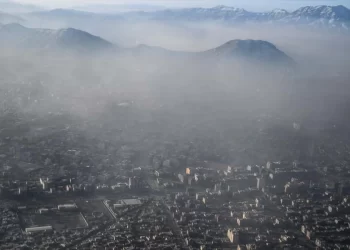

Amid rising temperatures, several Kabul residents have expressed concern over an increase in seasonal illnesses, particularly among children. According to them, prolonged power outages, a shortage of clean water, air pollution, and dust, combined with rising temperatures, have contributed to the worsening of these illnesses. They say that since the onset of warmer weather, they have repeatedly taken their children to various doctors for treatment, but have not yet achieved satisfactory results. Meanwhile, several doctors warn that as temperatures rise, the likelihood of infectious diseases and heat-related illnesses increases. According to them, children, the elderly, and pregnant women are at greater risk than others due to their weaker immune systems.
Amena, a mother of two children, expressed concern over the rise in illnesses among her children as the weather has grown warmer. She said, “As the weather gets hotter, my children develop fevers, become lethargic, and experience dizziness. In Kabul, due to population density, a shortage of green spaces, poor hygiene practices in some schools and homes, and prolonged power outages, children are forced to endure intense heat even inside their homes. In addition, air pollution and dust, especially in the evenings, not only fail to cool the air but also contribute to the spread of illnesses.”
She added: “Not only our family’s income but that of most families is very low, and a large part of our monthly income is spent on treating our children’s illnesses. This situation has created significant economic and psychological difficulties for families.”
Zarmina, a mother of four children, is also concerned about the increase in illnesses among her children as the weather has grown warmer, and complains of water shortages and prolonged power outages. She said: “The weather has become very hot, and electricity is cut off for long hours. We are also facing a water shortage, and I am unable to bathe my children even once a day or use cooling devices to prevent them from suffering heatstroke and falling ill. Before one of my children recovers, another falls sick.” According to her, since the weather turned hot, she has repeatedly taken her children to various doctors for treatment but has not achieved satisfactory results.
She added: “I have spent a great deal of money on treatment, but the medicines also lack the necessary quality. My children mostly suffer from diarrhea, stomachaches, and lethargy. They also have sore throats, and due to the daily dust and dust storms, one of my children, who has severe allergies, falls ill almost every week. His condition does not improve unless he receives an injection. I am truly very worried about my children’s condition and health.”
Haidari, one of Kabul’s residents, says that as the weather has grown warmer and the climate has changed, seasonal illnesses have increased, affecting a large number of children. He added, “A large part of these illnesses stems from the carelessness of some families on hot days. Some families, to cool down, put their children to sleep directly in front of fans, which can create conditions for seasonal illnesses.”
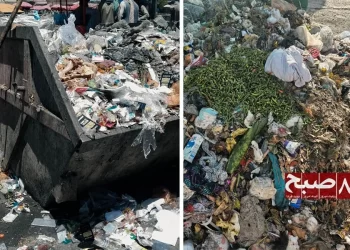
Noor Ahmad says his father is elderly and has fainted several times as the weather has grown warmer, and is not in good physical condition. He added, “My father falls ill quickly because he has no appetite. On the other hand, electricity is also cut off for long hours, and we cannot use electrical appliances to cool the room. The air is also polluted, and the parks are not in good condition either; the environment is polluted, and due to the garbage, they are not suitable places for the elderly to sit and rest.”
Meanwhile, Najibullah Faizan, a pediatrician, says that with the warming weather in summer, digestive illnesses, particularly diarrhea, are among the most common illnesses among children. He added, “The main cause of these illnesses is the use of contaminated water. In Kabul, many families face a shortage of clean water and also use unsafe water to wash fruits and vegetables, which can cause food poisoning.” According to him, cases of mumps have also increased significantly in Kabul in recent days. This viral illness is transmitted from an infected person to others through respiratory droplets.
Faizan said: “Children who contract this illness should not attend school, as the virus spreads easily in such environments. This illness becomes more prevalent due to the heat, since it creates more favorable conditions for the growth and multiplication of germs. The use of contaminated water and the consumption of food that has been stored for long periods, such as overnight, also increase the risk of digestive illnesses.”
This Kabul resident emphasizes that if a child develops diarrhea, parents should pay special attention to preventing dehydration and should use safe drinking water to prevent illnesses, wash children’s hands with soap before meals and after using the toilet, thoroughly disinfect fruits and vegetables, consume food fresh, and avoid storing it for long periods on hot days. Children should also not be exposed to the sun for extended periods.
This pediatrician also said: “Over the past two years, cases of jaundice have also increased, one of the main causes of which is the use of contaminated water and a shortage of clean water.”
Dr. Mohammad Hanif Hashemi, an internal medicine specialist, warns that as temperatures rise, infectious diseases become more prevalent, and children, the elderly, and pregnant women are at greater risk due to their weaker immune systems. He said: “The use of contaminated water and unhealthy food creates conditions for the spread of these illnesses and can cause bloody and non-bloody diarrhea, dehydration, heatstroke, and other illnesses related to the hot season.”
Hashemi emphasized: “Observing hygiene principles, using safe drinking water, avoiding unhealthy food and street food, reducing unnecessary movement during the hot hours of the day, and wearing light and appropriate clothing are among the most important ways to prevent illnesses during the hot season, and can reduce the risk of contracting these illnesses by up to 90 percent.”
This comes as the United Nations Human Settlements Programme (UN-Habitat) had previously warned that temperatures in Afghanistan are rising every year and that cities are at the forefront of the climate change crisis. According to the agency, four out of every five people in Kabul city live in informal settlements, a situation that has increased residents’ vulnerability to heat waves and the consequences of climate change.
You can read the Persian version of this report here:
گرمی و بیبرقی؛ باشندهگان کابل از افزایش بیماریهای فصلی نگرانند