Many residents of Kabul say that stray dogs have become increasingly common on roads and in neighborhoods, especially in outlying areas. People describe how these dogs roam the streets early in the morning and late at night, spreading fear and constant anxiety. Children and older people face the greatest danger, they say, and some residents no longer feel safe enough to step outside their homes.
Jamila, who lives in Qala-e Zaman Khan, sees this problem every day. She explains that the growing number of stray dogs in the alleys and streets has made daily life difficult for residents. According to her, children who walk to school face the most harassment and feel constantly threatened by the dogs.
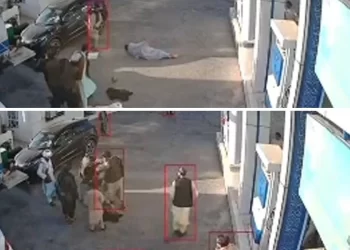
She says, “The number of stray dogs has increased a lot, and they disturb people all the time. Sometimes they attack children, and sometimes they even go after older people. I have personally been attacked several times, especially in the mornings when I leave home for work. Children in our area are so scared that they cannot go to the mosque or to school.”
Amrullah, another resident who lives on the outskirts of Kabul, openly criticizes the Taliban municipality for ignoring the problem. He says that because they live outside the city center, municipal officials rarely appear in their area and have no clear plan to deal with the growing number of stray dogs.
He adds, “Inside the city, the [Taliban] municipality at least has a program to collect stray dogs. They vaccinate them and take some action. But in the areas around Kabul, no one pays attention at all. We only see more and more groups of stray dogs, and we have never seen their numbers go down.” He recalls that when the Taliban once maintained a security post nearby, they would sometimes shoot at dogs that caused trouble, but they never took serious or lasting steps to manage the situation.
Ali, who lives in eastern Kabul, shares the same concern. He says he often goes hiking in the hills of Kabul with his friends to relax, but stray dogs along the paths frequently disturb them and ruin their sense of calm. In his neighborhood, he adds, most of the dogs that gather in narrow alleys and backstreets appear sick or injured and pose a real threat to public health.
He recalls, “Yesterday, when we went to the mountains, a sudden fight broke out between several stray dogs and a sick one. The noise and chaos caused panic. The situation in our neighborhood is no different. In the past, officials used to collect these dogs, but now no one seems to care anymore.”
Mujib and Waris, two residents of central Kabul, offer a different perspective. Unlike people living in remote areas, they say the number of stray dogs has decreased compared to previous years. According to them, dogs that were sick or suspected of having rabies have either been vaccinated or removed from the city by the Taliban municipality.
At the same time, several doctors warn that the rising number of stray dogs in residential areas has created serious health concerns, especially the risk of spreading infectious diseases. They stress that without proper control, diseases such as rabies and other infections could spread more widely and endanger public health.
Bismillah Ghaffari, a doctor, explains the risks in clear terms. He says, “Stray dogs in residential areas pose a serious threat to public health, mental well-being, and even people’s economic lives. If authorities fail to control these dogs, diseases and other problems will continue. Stray dogs can transmit the rabies virus through bites, which is extremely dangerous. The virus attacks the brain and can cause encephalitis, fear of water, paralysis, and even death. Contact with these dogs can also lead to severe diarrhea, parasitic infections, and brain damage. Injuries from dog attacks may result in permanent disabilities, stunted growth, and long-term anxiety.”
Doctors consider stray dogs to be one of the main carriers of disease and strongly recommend collecting them and relocating them to areas far from the city.
So far, the Taliban have not issued any new statements about collecting or vaccinating stray dogs. Previously, however, Nematullah Barakzai, a representative of the Taliban municipality in Kabul, said that around 20,000 stray dogs were collected over the course of one year. He also stated that more than 12,000 stray dogs were vaccinated and treated after completing various procedures.
You can read the Persian version of this report here:
کابل در محاصره سگهای ولگرد؛ بیتوجهی طالبان وحشت و تهدید را دوچندان کرده است