Introduction: Afghanistan’s Ethnic Landscape
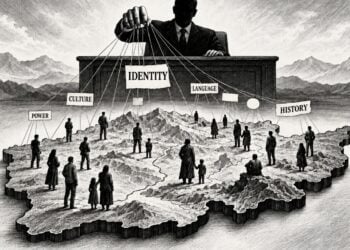
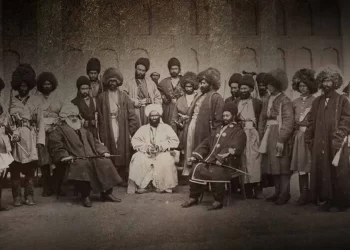
Afghanistan is an ethnically diverse country, home to various groups including Pashtuns, Tajiks, Hazaras, Uzbeks, and smaller minorities such as Turkmens, Baloch, and Nuristanis. According to 2010 estimates from the U.S. Department of State, Pashtuns form approximately 42% of the population, Tajiks 27%, Hazaras 9%, Uzbeks 9%, and smaller groups make up the remaining 13%. Historically, Pashtuns held a dominant political and social position until the late 1970s, leading the country inclusively. However, the Afghan Civil War (1992–1996) and the Soviet-Afghan War (1979–1989) were pivotal moments, as non-Pashtun groups gained military and political power. This shift challenged Pashtun’s dominance, triggering decades of ethnic conflict.
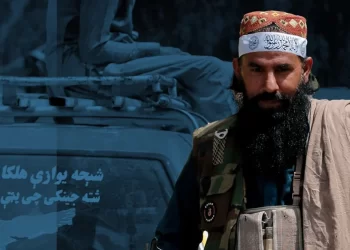
The rise of the Taliban in 1994, which drew support predominantly from Pashtun tribes in southern and eastern Afghanistan, further complicated Afghanistan’s ethnic dynamics. While the Taliban’s leadership and much of its base are Pashtun, the group’s brutal governance has disproportionately harmed Pashtuns, especially in rural regions. This essay explores the paradox of Pashtun vulnerability under the Taliban’s Pashtun-led regime and compares their plight to that of other ethnic groups in Afghanistan.
Pashtun Vulnerability under Taliban Rule
The Taliban’s origins are deeply tied to Pashtun tribal and cultural identity, specifically the Ghilzai and Durrani factions. Despite this, the Taliban’s rule has had disastrous effects on Pashtun communities. In areas with a majority of Pashtuns, particularly in the southern and eastern regions, the lack of modern governance and tribal culture has fostered extreme discrimination, a weakened education system, and continuous conflict.
Taliban policies have deprived Pashtun children of formal education, favoring the establishment of madrasas that emphasize radical religious instruction over secular learning. According to UNICEF, by 2022, over 4.2 million Afghan children, mostly in Pashtun areas, were out of school, with 60% of them being girls. The Taliban’s use of these madrasas as recruitment grounds has led to the radicalization of Pashtun youth. According to an estimation, 70% of Taliban foot soldiers are of Pashtun origin, primarily drawn from rural and economically marginalized areas. This phenomenon of systemic recruitment not only deprives these young Pashtuns of other life opportunities but also exposes them to higher risks in conflict zones.
The modern education fallout in Pashtun regions and the uprising of extremism is stark. Provinces like Helmand, Kandahar, and Khost, with significant Pashtun populations, have experienced some of the highest casualty rates during Taliban conflicts. According to Afghanistan’s Ministry of Defense, over 60% of the 50,000 Afghan security forces killed between 2015 and 2021 were Pashtun. This high death toll further exacerbates the socio-political isolation of the Pashtuns.
Likewise, under Taliban rule, Pashtun women face severe repression. The Taliban’s draconian policies have closed most schools for girls, and women’s access to education and employment is heavily restricted. A 2023 UNESCO report indicated that 85% of Pashtun girls were not attending school. This exclusion from education creates a generational divide, where Pashtun women will remain marginalized, with limited opportunities for social or economic mobility. Additionally, Amnesty International reports that women in Pashtun regions endure more severe restrictions on movement and public presence compared to their counterparts in Tajik and Hazara regions. Pashtun women, already disadvantaged by traditional patriarchal norms, are thus doubly oppressed under the Taliban regime, facing not only gender-based repression but also ethnic and regional marginalization. This will likely lead to long-term societal stagnation in Pashtun communities, where high rates of illiteracy and lack of healthcare further entrench poverty.
Comparative Vulnerability of Other Ethnic Groups: Tajiks, Hazaras, and Uzbeks
While the Taliban regime adversely affects most of Afghanistan’s ethnic groups, the nature and extent of their vulnerability vary. Tajiks, Hazaras, and Uzbeks have developed distinct strategies for resisting or mitigating Taliban repression.
Tajiks, who form the backbone of the Northern Alliance, have historically resisted the Taliban’s rule. While they suffer from ethnic discrimination, particularly in some provinces (Panjshir and Takhar), they are less likely to be recruited into Taliban ranks. They maintain strongholds in northern Afghanistan and have been able to mobilize regional militias for defense.
Meanwhile, the Hazara, a predominantly Shia minority, have long faced systematic persecution, particularly under Taliban rule. However, Hazara youth are less susceptible to Taliban recruitment, largely due to the ideological and religious divide between the two groups. Hazaras have also garnered significant international attention, advocating for their rights in the global arena.
Likewise, Uzbeks have managed to retain a degree of autonomy in northern Afghanistan. Although they are subject to Taliban cultural repression, Uzbeks have largely avoided large-scale recruitment into Taliban forces and have maintained local governance structures that resist Taliban influence.
Overall, these groups have cultivated international support networks and established regional ties that allow them to resist the full weight of Taliban repression. In contrast, Pashtuns, being more closely associated with the Taliban regime, face greater challenges in both resisting the Taliban and gaining international sympathy.
To sum up; despite being the ethnic group most closely associated with the Taliban, Pashtuns are arguably more vulnerable to the group’s policies in the long term than other ethnic groups. Pashtun children are disproportionately deprived of modern education, Pashtun women face extreme repression, and the community at large is increasingly isolated from the international community due to the Taliban’s governance. These factors are creating a generational cycle of poverty, illiteracy, and violence that threatens to entrench Pashtun marginalization for decades to come. Meanwhile, other ethnic groups, through regional ties and international advocacy, may fare better in navigating Afghanistan’s turbulent political landscape.
References
https://www.cia.gov/readingroom/docs/DOC_0000515454.pdf
https://reliefweb.int/report/afghanistan/afghan-ethnic-groups-brief-investigation
https://minorityrights.org/communities/tajiks/
https://www.observatori.org/paises/pais_87/documentos/ABUBAKAR_SIDDIQUE.pdf