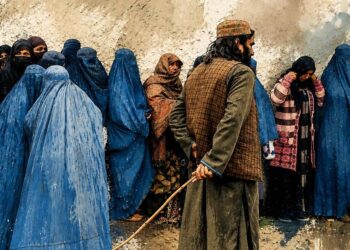
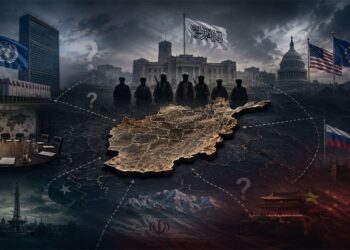
In the more than three years since the Taliban’s return to power, many Afghans opposed to them have often wondered why things turned out this way and what factors created the current situation, trapping the country in the clutches of religious fundamentalism, dogmatic beliefs, and ethnic rigidity. Each person, based on their understanding and social or political position, has their answer. Some see the “big players” as the primary cause, attributing it to the calculations of major regional and global powers. Others blame Afghanistan’s religiously inclined and conservative society, while still others view the previous government’s widespread corruption and inefficiency as paving the way for the Taliban’s victory. These answers may all hold some truth, with numerous other contributing factors at play. However, without acknowledging the widening gap between the general public and the political elites and leaders, we fail to grasp the full picture. The divide between the masses and the political and intellectual elites was undoubtedly one of the factors that allowed the Taliban to regain power and dominate. It’s disheartening to note that government leaders were so absorbed in their world that even after fleeing the country, they remained in their bubble, thinking only of their narrow self-interests.
One former government official, just two weeks after the Taliban seized Panjsher, while the people there were enduring hardships and confusion, called a local Taliban commander in Panjsher with his primary request being to take care of his rare birds, lest they lose weight. Not a single word was mentioned about the people or their tragic fate.
Some argue that highlighting the failures of former leaders only serves to strengthen the Taliban. They suggest silencing critics to shield former officials from scrutiny. However, avoiding the root causes of the current crisis does not resolve anything; it only distorts the reality of what has happened and prevents us from finding sensible solutions to overcome this suffocating predicament. Examining the mistakes of the previous government isn’t meant as mere fault-finding or appeasing the Taliban but is essential for identifying ways out of this bleak situation.
Many politicians and former government officials were engrossed in their luxurious lives, forgetting the values that once garnered public support and brought them to power. This comfortable lifestyle slowly alienated them from the people, especially as they were surrounded by flatterers who distorted their perception of society, further distancing them from the realities of ordinary life. Senior officials became so detached from the public that even a simple meeting with them became a challenge for regular citizens.
It seems that at least some of the political elites currently in exile, including those who played a role in the downfall of the previous regime, still wish to proceed as they did in the past. The plans and proposals occasionally voiced by them regarding salvation from the Taliban reflect their complete detachment from ground realities. One consequence of living in exile is that it deepens the gap between objective realities and the thoughts of the exiled person. Although information technology has removed physical distances and made it easier for those abroad to follow developments within Afghanistan, it must not be forgotten that the media only reflect a portion of the realities, often distorting many aspects according to the preferences of their funders. Therefore, an over-reliance on what is broadcast in the media and on social networks can be misleading. To gain a comprehensive understanding of what is happening in the country, one must confront Afghanistan’s concrete realities daily, and this is only possible if one has the opportunity to live under the Taliban’s rule.
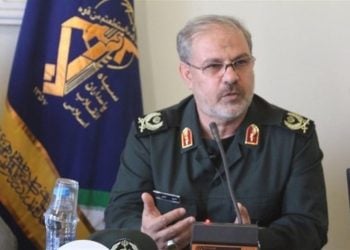
If we approach the issue critically, we must admit that despite more than three years have passed since the Taliban’s return to power, their exiled opponents have yet to create an alternative narrative against them and have merely engaged in media shows. These elites need to learn from the significant defeat they suffered against the Taliban and work to deepen their understanding of Afghan society and the regional and international dynamics at play. For forty-five years, the opposition to the Islamic Republic of Iran has been fighting against the system of Velayat-e Faqih, yet it has not managed to pose a serious challenge to it. Afghan political elites should learn from the mistakes of Iran’s opposition and avoid repeating them. Relying on foreign support for regime change and neglecting internal capacity-building and connecting with the public can be a serious flaw for exiled opposition forces. Regarding Afghanistan, we must not forget that the Taliban’s victory itself was a product of the policies of the very countries from which the Taliban’s opponents expect support. Currently, regional relations and global dynamics seem to favor the Taliban, although these dynamics could shift at any moment.
The biggest problem currently facing political activists opposed to the Taliban is their lack of physical presence in Afghanistan, which has severed their ability to connect with ordinary people. In a society as underdeveloped as Afghanistan, the absence of political activists from the community seriously weakens their relationship with the people. Nowhere in the world can political activity succeed without the people. The Taliban, meanwhile, have imposed such a suffocating atmosphere over the country that even the smallest political action is met with harsh suppression. The Taliban have openly stated their opposition to the presence of political parties in the country. According to them, there is no place for parties or differing views and preferences in the Emirate system; everyone is required to obey the “Emir” absolutely and to carry out his orders without question.
Now that no part of the country’s territory is in the hands of the Taliban’s opponents, they must call upon experts and specialists to seek alternative ways of connecting with the people. Taliban opposition politicians should learn from past mistakes and find effective and impactful ways to establish a deep emotional bond with the masses. The Taliban are vulnerable and, due to their discriminatory treatment of women and widespread human rights violations, are constantly criticized by international bodies. The fact that during this time their opponents have been unable to pose a significant challenge to the Taliban or place their rule under pressure reflects the weaknesses and ineffectiveness of the opposition rather than the strength of the Taliban’s rule.
You can read the Persian version of this analysis here:
چرا مخالفان نتوانستهاند در برابر طالبان چالش جدی خلق کنند؟ | روزنامه ۸صبح