• 8AM.MEDIA
  • ویب‌سایت فارسی
  • پښتو ویب‌پاڼه
  • اۉزبېکچه ویب‌سایت
  • Podcast
Monday, October 12, 2026
Hasht-e Subh
  • Home
  • News
    • Afghanistan News
    • World News
  • Opinion
    • Editorial
    • Analysis
  • Reports
    • Daily Reports
    • Investigative Reports
  • Society
    • The story of people
  • Women’s Word
  • Columns
    • Three Years After Afghanistan’s Fall: The Taliban’s Resurgence
    • Towards Equality
    • The Resurgence of the Taliban: Two Years Since Afghanistan’s Fall
    • Hebatullah Report Special Edition
    • Resistance for Education Special Edition
    • Special Column on Taliban’s Education Curriculum
    • Nawroz
  • Interviews
  • Contact Us
    • About Us
    • 8AM MEDIA Annual Awards
    • Submit an Article to Hasht-e-Subh
  • 8am.mediaBack
Subscribe
No Result
View All Result
  • Home
  • News
    • Afghanistan News
    • World News
  • Opinion
    • Editorial
    • Analysis
  • Reports
    • Daily Reports
    • Investigative Reports
  • Society
    • The story of people
  • Women’s Word
  • Columns
    • Three Years After Afghanistan’s Fall: The Taliban’s Resurgence
    • Towards Equality
    • The Resurgence of the Taliban: Two Years Since Afghanistan’s Fall
    • Hebatullah Report Special Edition
    • Resistance for Education Special Edition
    • Special Column on Taliban’s Education Curriculum
    • Nawroz
  • Interviews
  • Contact Us
    • About Us
    • 8AM MEDIA Annual Awards
    • Submit an Article to Hasht-e-Subh
  • 8am.mediaBack
No Result
View All Result
Hasht-e Subh
No Result
View All Result

Climate Change and Habitat Destruction Push Afghanistan’s Wildlife Toward Extinction

Translated by Farhad Farhaad | Originally reported in Persian by Ilya

Mohammad Farhaad Mohammad Farhaad
12 October 2026 - Solar Hijri Date: 1405/07/20 [t_time:1791807514]
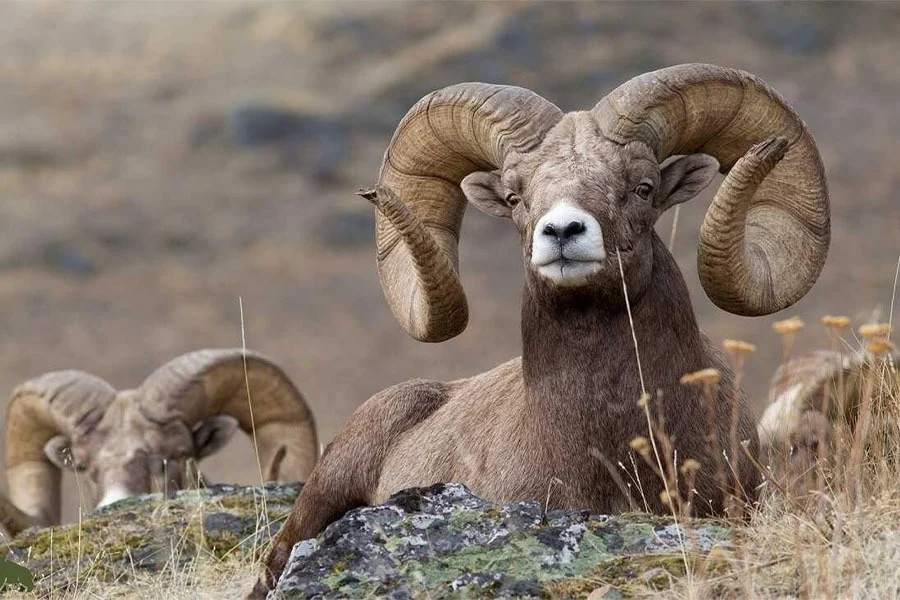
A wild ram with large curved horns rests on a rocky hillside as experts warn of growing threats to wildlife in Afghanistan. (Photo credit: Social Media)

Social Media

Several environmental experts and wildlife researchers warn that climate change is threatening the survival of wild species in Afghanistan by altering the conditions of their natural habitats. They say rising temperatures, intensifying droughts, and melting glaciers have limited wildlife’s access to water and food, making life harder for species such as the snow leopard, the Marco Polo sheep, and aquatic birds. They add that, together with habitat destruction, this situation could negatively affect the reproduction and survival of these species. According to them, illegal hunting, deforestation, and land-use change are other factors that are increasing the threats to wildlife in Afghanistan.

Speaking to the Hasht-e Subh Daily, the experts stress that the lack of accurate statistics and regular field research has made it difficult to assess the extent of climate change’s impact on Afghanistan’s wildlife. They consider the protection of natural habitats, the restoration of forests and rangelands, and the prevention of illegal hunting essential for safeguarding wild species, and they call for stronger oversight of protected areas and the enforcement of environmental laws. They warn that the continuation of this situation could lead to a decline in wild species populations and further damage to Afghanistan’s biodiversity.

Mujtaba Bashari, a natural resources and wildlife researcher, says climate change and the melting of glaciers in Wakhan and the Hindu Kush range have affected the habitats of wild species and forced some of these animals to migrate. According to him, these displacements could increase the dispersal of species populations and make their access to food sources more difficult. Bashari adds that climate change also raises the risk of conflict between humans and animals by reducing food sources and pushing wildlife closer to residential areas. In the researcher’s view, the snow leopard, one of Afghanistan’s rare wildlife species, is also facing greater threats as natural habitats change and access to prey declines.

Mr. Bashari says: “When glaciers melt and wildlife habitats change, the animals living in these areas lose part of their living environment. In such conditions, some of them move to lower areas for survival or are forced to migrate. This situation can limit their access to food and cause them to come to areas close to where people live to find prey.”

The researcher says climate change can also affect the life cycle and feeding of some species, including brown and black bears. According to him, changes in temperature and in the onset of the seasons may alter the hibernation pattern and activity of these animals, and if the timing of their waking is out of step with the availability of food, their survival could become difficult.

Bashari adds: “When winter ends earlier, and the weather warms up, some animals may wake from hibernation earlier than usual and begin their activity, but at that time, sufficient food sources may not be available. Climate change affects the life and survival of animals in this way as well.”

Bashari stresses that the shortage of regular scientific and field research in Afghanistan has made it difficult to accurately assess the impact of climate change on wildlife species. He believes that attracting international assistance and implementing specific conservation programs could help protect endangered species and their natural habitats.

Kazim Homayoun, an environmental expert, also says the lack of accurate statistics and sustained research has made it difficult to assess the consequences of climate change for Afghanistan’s wildlife. According to him, to determine how vulnerable wild species are, their status must be studied in different regions and over different periods of time.

Homayoun adds that reduced rainfall and intensified drought could limit water and food resources in natural habitats and affect the life and reproduction of wild species. However, he stresses that, to measure these impacts accurately, the role of climate change must be separated from factors such as illegal hunting and livestock grazing.

Homayoun says: “To determine the impact of climate change on wildlife, we need sustained research and a study of the status of species in different regions. By comparing protected and unprotected areas, we can better determine how much climate change, illegal hunting, and livestock grazing have each affected wildlife.”

The environmental expert considers the protection of natural areas, the prevention of illegal hunting, and the restoration of rangelands and wetlands among the measures that can reduce pressure on wild species. In his view, implementing these measures alongside regular research is essential for effective planning in wildlife conservation.

Sayed Abdul Basit Rahmani, another environmental expert, considers the destruction of natural habitats through deforestation, the expansion of residential areas, and land-use change to be among the factors threatening wildlife in Afghanistan. According to him, the use of forests for fuel and construction materials and the expansion of human activities in green areas have limited the living space of wild species.

Rahmani adds that with the loss of forests and shrublands, animals lose part of their habitat, their food sources, and suitable places for reproduction. He says drought and climate change are also increasing pressure on these areas.

Rahmani says: “Forests, shrublands, and green areas are habitats of wild species. When these areas are destroyed because of deforestation and land-use change, animals lose their places to live and reproduce, and their access to food sources also declines.”

The environmental expert cites the weak capacity of responsible institutions and low public awareness about the importance of protecting natural habitats as other challenges. In his view, protecting forests and rangelands, preventing habitat destruction, and raising awareness among local communities could help reduce pressure on wildlife.

Afghanistan is among the countries vulnerable to climate change. The United Nations Development Programme (UNDP) says the country’s average temperature has risen by about 1.8 degrees Celsius since 1950. According to available information, Afghanistan has about 128 species of mammals and 500 species of birds, but because of the lack of comprehensive research, the exact number of endangered species is unclear. Rising temperatures, changing rainfall patterns, and intensifying droughts have heightened concerns about the state of natural habitats and the future of the country’s wildlife.


You can read the Persian version of this report here:

تغییرات اقلیمی و تخریب زیستگاه‌ها؛ حیات‌وحش افغانستان در معرض خطر نابودی قرار دارد
ShareTweetSendSendShare

Related Posts

A hand water pump stands over a cracked, drought-hit map of Afghanistan as warnings grow over Kabul’s dwindling groundwater. (Photo Credit: AFP + Magnific)
Opinion

Kabul Heads Toward Water “Day Zero” in 2029: An Expert’s Urgent Warning, Ignored for Years

12 October 2026 [t_time:1791807031]
Afghan women attend a training session in a classroom, working together on lessons and educational activities (Photo: UNICEF)
World News

World Teachers’ Day: UNESCO Calls for Greater Support for Teachers

5 October 2026 [t_time:1791180283]
The UN General Assembly session and United Nations flag are shown together amid discussions on global crises and international cooperation. (Photo credit: Social Media)
Analysis

UN General Assembly and the Crisis of World Order: Power Politics Overshadows Shared Human Needs

28 September 2026 [t_time:1790620087]

Latest

Loading latest news...

Popular stories

  • An Afghan woman gazes out of her home, reflecting the isolation and challenges faced by women in Afghanistan under Taliban rule. (Photo Credit: 8am.media)

    UN Report Reveals Shifts in Family Attitudes and Rise in Domestic Violence in Afghanistan

    Share
    Share Tweet
  • More Than 200 Aftershocks Recorded in Panama Since Friday’s Earthquake

    Share
    Share Tweet
  • The Politics We Inherited: Rethinking Afghanistan’s Political Culture

    Share
    Share Tweet
  • Pakistan and the Yemen War: Balancing Between Riyadh and Tehran

    Share
    Share Tweet
  • Al-Qaeda Releases Hamza bin Laden Message on 9/11 Anniversary

    Share
    Share Tweet

Podcast

Insights
Insights

Join Lynne O’Donnell for 8AM’s podcast series, Insights.
Lynne talks with generals, diplomats, soldiers, journalists, politicians, activists, people who have front row seats for conflicts around the world, and citizens with a story to tell, happy or sad. For this first series, Afghanistan is the focus. Lynne and her guests talk about the collapse of the republic in August, 2021, and the impact since — for the people of Afghanistan, for the security of the region, for the safety of the world. It’s important, interesting and insightful.

Insights/22: Controlling the Narrative with Mina Sharif
byinsights8am

Controlling the Narrative

Lynne O’Donnell talks with Mina Sharif, author, activist, women’s rights campaigner, educator and mentor. They discuss who controls the narrative and who speaks for Afghanistan’s people when the Taliban appear to have seized control not only of the country but of the message, too.

Have a listen

Insights/22: Controlling the Narrative with Mina Sharif
Episode play icon
Insights/22: Controlling the Narrative with Mina Sharif
Episode Description
Episode play icon
Insights/21: Media Meltdown with Zahra Joya
Episode Description
Episode play icon
Insights/20: Terror Inc with Scott Richards
Episode Description
Episode play icon
Insights/19: Busting Stereotypes with Bushra Gohar
Episode Description
Episode play icon
Insights/18: Media Matters with Waliullah Rahmani
Episode Description
Episode play icon
Insights/17: What Goes Around Comes Around with Sima Samar
Episode Description
Search Results placeholder
Hasht-e Subh

8AM Media, also known as Hasht-e-Subh Daily, stands as Afghanistan's premier independent and non-profit newspaper, resonating as a beacon of journalistic integrity since its establishment in June 2007 by esteemed Afghan journalists and human rights advocates. With a steadfast commitment to citizen journalism and civic education, Hasht-e-Subh Daily has earned its place as the most esteemed publication in the nation.

Publisher: Sanjar Sohail
Email: [email protected]
Executive Director: Parwiz Kawa
Email: [email protected]

Read More

Climate Change and Habitat Destruction Push Afghanistan’s Wildlife Toward Extinction

Kabul Heads Toward Water “Day Zero” in 2029: An Expert’s Urgent Warning, Ignored for Years

Caught in the Storm of Politics: The Fragile Lives of the People of Afghanistan

Power Shortages Shut Down More Than Two Thirds of Factories in Kandahar, Industrialists Say

Baqaei: Reports of Land Transfer to Afghanistan at Chabahar Port Are Untrue

Editor’s Choice

Every Saturday morning, 8AM MEDIA English Services Department will guide you through the week’s biggest stories from Afghanistan and the international community.

Subscribe

© 2026 - ©Hasht-e Subh Daily

No Result
View All Result
8am.Media
پښتو ویب‌پاڼه
ویب‌سایت فارسی
اۉزبېکچه ویب‌سایت
  • Home
  • News
    • Afghanistan News
    • World News
  • Opinion
    • Editorial
    • Analysis
  • Reports
    • Daily Reports
    • Investigative Reports
  • Society
    • The story of people
  • Women’s Word
  • Columns
    • Three Years After Afghanistan’s Fall: The Taliban’s Resurgence
    • Towards Equality
    • The Resurgence of the Taliban: Two Years Since Afghanistan’s Fall
    • Hebatullah Report Special Edition
    • Resistance for Education Special Edition
    • Special Column on Taliban’s Education Curriculum
    • Nawroz
  • Interviews
  • Contact Us
    • About Us
    • 8AM MEDIA Annual Awards
    • Submit an Article to Hasht-e-Subh
  • 8am.media

© 2026 - ©Hasht-e Subh Daily