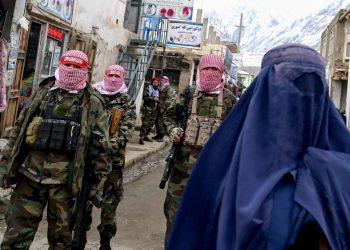
From its inception, the Taliban have relied on violence, including killings, torture, and terror. Many of the actions committed by members of this group are classified as war crimes or crimes against humanity. Widely recognized for its terrorist activities, the Taliban remain on the terrorist lists of international organizations and most countries involved in Afghanistan’s affairs. Its defining features are regressive policies combined with heinous crimes, some of which fall under the categories of crimes against humanity and war crimes.
Though other parties in Afghanistan’s decades-long conflicts have also been accused of war crimes, the Taliban’s actions stand out in their severity and scale. During the wars that led to the establishment of the first Taliban regime, horrific massacres occurred, including those in Mazar, Yakawlang, and the infamous killing grounds of Kand-e-Pusht and the scorched-earth policy”. However, these events occurred before 2002 and fall outside the International Criminal Court’s (ICC) jurisdiction.
Even during the 20 years of the Islamic Republic of Afghanistan, the Taliban continued similar behavior, albeit less intensely due to its limited power. Since returning to power in August 2021, the Taliban have perpetrated atrocities despite issuing a formal “general amnesty.” These include the killing of former security forces, forced displacement of specific ethnic groups, sexual violence, torture, plundering of public and private property, and inhumane restrictions, particularly targeting women.
When the Taliban returned to Kabul, initial propaganda suggested the group had reformed and abandoned its previous barbarity. However, over three years into its rule, even its supporters are increasingly concerned about its governance. Widespread international alarm over human rights violations and systematic violence by the group has led some countries to take steps toward holding the Taliban accountable by referring its case to the ICC.
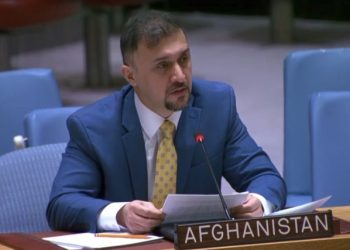
In September 2024, Canada, Germany, Australia, and the Holand were the first to announce their intention to introduce a case against the Taliban at the ICC for widespread human rights violations, particularly against women. Subsequently, 20 more nations endorsed the initiative. Recently, six countries—Chile, Costa Rica, Spain, France, Luxembourg, and Mexico—urged the ICC prosecutor to investigate the Taliban’s systematic and ongoing violations of women’s and girls’ rights in Afghanistan.
Khan’s statement confirmed that his office is already investigating the Afghanistan situation, including the crimes outlined in the recent referrals. He stated that the investigation remains active and will continue. This announcement has sparked widespread reactions.
The ICC, established in 2002 under the Rome Statute, aims to prosecute individuals responsible for major international crimes, operating under four main categories: war crimes, crimes against humanity, genocide, and crimes of aggression. The Taliban stand accused of committing all four in Afghanistan. Since Afghanistan became a signatory to the ICC in 2003, war crimes in the country fall within the court’s jurisdiction. As Khan’s office emphasized, the ICC is capable of exerting substantial pressure on the Taliban if provided with compelling evidence.
The massacre of civilians, which can also encompass genocide and forced displacement, as well as repeated acts of sexual violence, have been systematically perpetrated by the Taliban. For each of the four categories examined by the International Criminal Court (ICC), numerous examples can be found involving Taliban actions. For instance, the mass killings of Hazaras by the Taliban, as well as the slaughter of civilians in Panjshir Province following the Taliban’s initial incursion into the province in 2021, have been categorized by some legal experts as genocide and war crimes. If sufficient evidence is presented to the ICC, these massacres could officially be declared as such. Similarly, the group’s attacks on hospitals, schools, mosques, suicide bombings, and car bombs, which have deliberately targeted civilians, are notable. One example is the attack on a hospital in Kunduz Province, and another is the car bomb attack at Zanbaq Square in Kabul by the Haqqani network.
In just the past three years, reports of sexual violence and inhumane torture by the Taliban in their prisons have been the subject of several international investigations. Furthermore, depriving half the population of Afghanistan (women) of all basic rights could also fall under crimes against humanity. Therefore, if the Taliban’s actions since 2002 are thoroughly investigated and documented, they could lead to arrest warrants for the group’s leaders. Even if they are not apprehended, significant travel restrictions could be imposed on them, impacting their efforts to escape isolation.
If sufficient documentation is presented to the ICC, it could exert substantial long-term pressure on the Taliban. This would increase the cost of engagement and collaboration with the group for countries that have established close ties with them. Similarly, Taliban lobbyists would have to exercise greater caution in their advocacy efforts, as openly lobbying for a group accused of terrorism and condemned by the ICC for one or more of the four major crimes would not be an easy task.
You can read the Persian version of this analysis here:
معرفی طالبان به دادگاه بینالمللی کیفری؛ احتمالا هزینه تعامل با طالبان افزایش یابد | روزنامه ۸صبح