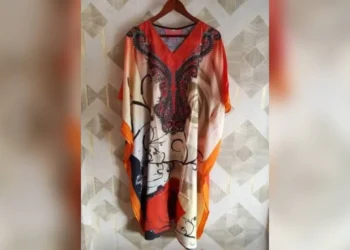
After the recent snowfall in Kabul, second-hand clothing, known locally as leylami clothing, has once again filled the city’s streets and markets. As the cold tightens its grip, Kabul residents turn to these imported garments from different countries as an affordable way to stay warm.
At the same time, doctors raise serious concerns about the health risks linked to wearing second-hand or leylami clothing brought in from abroad, particularly from Asian countries. They explain that these clothes are often unhygienic and can transmit illnesses, including tuberculosis, since the disease has not been fully eliminated in many of those countries.
Doctors say that in the countries of origin, leylami clothing often does not go through proper cleaning and disinfection. Speaking to the Hasht-e Subh Daily, they warn that diseases such as hepatitis, gonorrhea, syphilis, fungal infections, lice, scabies, and other bacterial infections can spread through second-hand clothes. They strongly advise citizens to wash these garments carefully and iron them thoroughly after purchase to make them safe to wear. They also urge people never to buy underwear from leylami markets and not to sacrifice their health for lower prices.
Samira Shahir Rahimi, a doctor in Kabul, says imported leylami clothing, especially items coming from Asian countries, increases the risk of tuberculosis. She explains that these garments often leave their countries of origin without proper disinfection and cleaning, increasing the likelihood of contamination.
She says, “In Kabul’s markets, we see imported clothes from Asian countries that can transmit dangerous diseases like tuberculosis if they are not properly washed and disinfected. Tuberculosis has not been fully eradicated in those countries. The bacteria can survive for long periods in dark, damp places and in hidden parts of clothing, especially thick, woolen, and multilayer garments.”
Another Kabul-based doctor, Bismillah Ghaffari, says second-hand clothing is widely used in Afghanistan, but without proper washing and disinfection, it can pose a serious threat to public health. He notes that children and elderly people face the greatest risk.
He says, “If people wear second-hand clothes without washing them first, they may develop skin diseases such as fungal infections, scabies, and lice. Underwear, socks, and tight clothing cause illness more often and make it easier for diseases to spread.”
Ghaffari adds that imported clothes may carry dried sweat, dead skin cells, and chemical substances that can trigger skin allergies, itching, and even breathing problems.
Munir Ahmad Raihan, another doctor, says careful washing and proper disinfection can make leylami clothing safe and prevent skin damage. He stresses that sealing second-hand clothes in plastic bags for several days and washing them again can help kill germs.
He explains, “Fungal infections, itching, and similar problems can spread through leylami clothing, but they usually do not cause pimples or serious skin conditions. This issue is less common in our country. People often buy these clothes, and if they follow basic disinfection steps, there is usually no problem. It is best to wash the clothes well, leave them in the sun, or keep them sealed in plastic for three to four days and then wash them again to remove germs.”
Kabul residents hold mixed opinions about wearing leylami clothing. Some say second-hand clothes have been part of daily life for generations and have never caused illness. They believe these clothes keep them warm during winter and fit their limited budgets. Others say leylami clothing, especially underwear, has led to skin problems.
Yaqub visits a leylami market with his ten-year-old son to buy a winter jacket. After searching through piles of clothes, he finds one he thinks will fit and puts it on his son without washing it first. He wants to be sure the jacket fits, unaware that this small act could expose his child to serious health risks.
Yaqub believes that people of Afghanistan are used to germs and that his son will not be harmed.
He says, “The people of Afghanistan are used to germs. Clothes and shoes do not cause serious problems. At most, there might be a little sensitivity. People here have grown up with germs. Small germs do not cause disease.”
Another resident, Sulaiman, says he has used leylami goods for years without any trouble.
He says, “In the past and even now, we always wash leylami clothes before wearing them. That is why we have not had any problems. But we have heard that people who wear them without washing sometimes get sick.”
Hussain, another Kabul resident, says he once relied heavily on leylami markets for clothing. That changed after a skin disease spread among his family members, forcing him to stop using second-hand clothes.
He says, “Once we bought a piece of clothing from the leylami market. It caused problems not only for the person we bought it for but also for other family members. After that, we never bought leylami clothes again.”
For years, leylami markets have remained among the most active markets in Afghanistan, benefiting both buyers and sellers. They allow people to buy clothes at lower prices while also creating work and income for many vendors.
Kote Sangi, Cinema Pamir, and the former Bush Market, which the Taliban later renamed the Mujahideen Market, are among the best-known leylami markets. These places sell boots, bags, clothes, and many other goods that attract large numbers of customers.
Doctors continue to warn that second-hand clothes can cause illness if people do not wash them properly. They emphasize that careful cleaning is essential to protect those who cannot afford new clothing and have no choice but to rely on leylami markets.
You can read the Persian version of this report here: