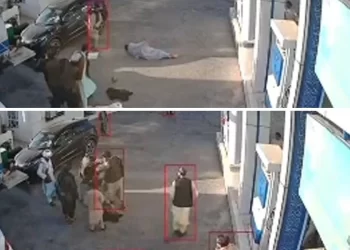

Two months ago, a suicide attacker from the ISIS group detonated himself amidst Taliban fighters at the New Kabul Bank branch in the city of Kandahar, leaving at least 45 dead and 56 wounded. Following this, reports of increased ISIS activity in the city surfaced. According to these reports, the level of threats in the city has escalated sharply, prompting Taliban fighters to undertake specific security measures for the city. One of these measures is the physical inspection of all worshippers upon entering mosques in the city, a practice that has been implemented so far. Since ISIS has targeted worshippers in mosques multiple times over the past nearly three years of Taliban rule, the Taliban are concerned about a potential ISIS attack on congregations and inspect worshippers upon mosque entry to prevent it. Another readiness measure taken to secure the city is the increase in inspection checkpoints. Although the Taliban had inspection checkpoints in Kandahar province more than other cities even Kabul, possibly due to Mullah Hibatullah’s residence in the city, they have recently increased the number of these checkpoints.
However, these measures did not alleviate Mullah Hibatullah’s concerns. On the 29th of April, he spoke with security officials in this province through communication channels, ordering them to initiate a special investigation into the presence and activities of ISIS in the city and ultimately report the results to his office. Hibatullah continued to instruct security officials to immediately report to his office if anyone, including Taliban officials, interfered with or obstructed the investigation process. His concern stemmed from suspicions of some Taliban commanders collaborating with ISIS. Bari, the head of the Taliban intelligence office in Badakhshan province, was detained and relieved of duty on allegations of having connections with ISIS. The strong possibility of some disgruntled Taliban fighters and even their commanders joining ISIS has deeply worried Mullah Hibatullah. Therefore, he did not entrust the assessment of the security situation in Kandahar to any senior security official of his group and took action himself. He anticipated that some commanders of his group might obstruct the investigation process due to their ties with ISIS.
In recent months, the people of Kandahar have been discussing ISIS activities in the city. It is said that the Taliban stationed in this city are also deeply concerned about the increasing ISIS activities and fear the possibility of ISIS launching attacks. A few days ago, one of Kandahar’s residents described the security situation in the city as reminiscent of the Republic era, where both civilians and security forces feared Taliban attacks, and now the Taliban fear ISIS attacks in the city.
Amidst this fear and apprehension, another attack took place in the city yesterday, yet no individual or group has claimed responsibility for it at the time of writing this text. The evidence suggests that yesterday’s attack may also have been the work of the ISIS group, validating speculations about the significant presence of ISIS in the city. One indication pointing to an ISIS attack is that civilians were also victims: two civilians were killed and five were wounded. Typically, in their attacks, anti-Taliban military fronts (such as the Afghanistan Freedom Front or the National Resistance Front of Afghanistan) do not harm civilians. Previous attacks they carried out had this particular feature. Another sign is that nearly 15 hours have passed since the attack, yet no one or group has claimed responsibility. Typically, anti-Taliban fronts document their attacks with photos and videos and promptly claim responsibility, unlike ISIS, which sometimes takes more than a day to claim responsibility. The third indication/reason is that in Kandahar, with all these security measures in place, penetration for anti-Taliban fronts is more difficult compared to ISIS, as ISIS, due to ideological similarities with the Taliban, can easily infiltrate their ranks. Undoubtedly, launching an attack in a city with such comprehensive security measures in place is impossible without the infiltration of collaborators.
Ultimately, if any group accepts responsibility for yesterday’s attack, it does not diminish Mullah Hibatullah’s failure to secure the city of Kandahar. This failure is bad news for Mullah Hibatullah and his group; that is when they were rejoicing in their “victory,” ISIS had infiltrated their ranks sufficiently to threaten the Taliban leader’s stronghold.
You can read the Persian version of this Analysis article here:
سایه سنگین داعش در قندهار؛ ملا هبتالله هم شهر را کنترل نتوانست