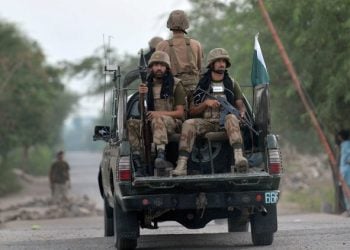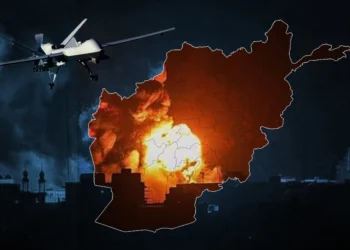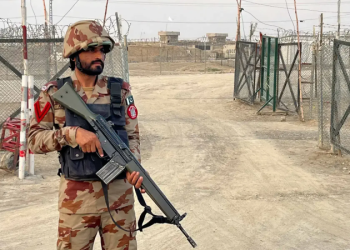

After the airstrikes by Pakistan’s armed forces on Afghanistan, including Kabul, and border clashes between Pakistani forces and the Taliban, a temporary ceasefire was declared. This was followed by bilateral meetings mediated by Turkey and Qatar. The first meeting took place in Doha, Qatar, with senior officials from both sides, and was later continued in Istanbul, Turkey, from October 25 to 28, 2025, with technical teams and mediators participating.
The first session created more controversy than progress for the Taliban because of the inclusion of the word “border” in the joint statement—a term that some Afghan citizens believe should have been referred to as the “Durand Line.” This single word overshadowed all of the Taliban’s diplomacy and, in the public perception, particularly among their intellectual supporters in Afghanistan, became a symbol of absolute failure, reflecting the Taliban’s lack of understanding of politics and diplomacy.
Despite significant efforts by the Taliban’s propaganda apparatus to normalize the issue and portray it as a technical error in the statement by the host country, Qatar, the damage to their reputation could not be undone.
The second session, from the Taliban’s side, included both official and unofficial members of the regime, led by the Deputy Minister of Interior, in Istanbul. From the outset, some observers believed that the Taliban delegation lacked decision-making authority and was a product of internal factional arrangements, drawing members from Kandahar, Khost, and Kabul branches. This selection process, rather than being an effort to reach a final decision or present a show of unity, clearly illustrated internal divisions and an intention for the talks to fail.
During the session, the media repeatedly reported the possibility of a deadlock, and both sides accused each other of nitpicking. On October 28, Pakistan’s Defense Minister Khawaja Asif stated in a television interview with Geo News that the Taliban delegation appeared close to an agreement but repeatedly requested pauses and changed their stance after contacting Kabul.
He added sharply: “Those who were in Istanbul were mere puppets, their strings pulled from Kabul with India’s help.” Pakistani officials from the start highlighted India’s role, claiming India intended to use the Taliban in Afghanistan to compensate for its defeat in a war with Pakistan.
Following the announcement of a deadlock in Istanbul, Taliban propaganda intensified, issuing serious threats against Pakistan. Qari Mateen Qani, spokesperson for the Taliban’s Ministry of Interior, in a live broadcast on Ariana TV from Kabul, delivered a stern warning to Pakistan. This warning, coming from the Haqqani faction—previously considered Pakistan’s allies—was unprecedented. Taliban activists also shared AI-generated images on social media showing Islamabad engulfed in flames.
A day earlier, Pakistan’s Defense Minister, responding to a journalist’s question about the possible failure of talks and continued Taliban support for TTP, stated: “We will enter direct war.” He also recently declared that any attack on Pakistani soil would be met with fiftyfold retaliation.
So far, what is evident is the failure of diplomacy and Pakistan’s severe accusations against the Taliban, who appear unwilling to resolve the issue. According to some sources, the host country, Turkey—claiming a prominent position in the Islamic world—was also dissatisfied with the Taliban’s approach and considered the failure of the talks as a failure of its own efforts. Turkey had sought to strengthen its role in peacebuilding and enhance its influence in resolving Islamic world issues, but despite significant efforts, it apparently failed at this stage. This may seriously affect Turkey-Taliban relations, which had so far been close.
Amid all this rhetoric, what comes next? Will Pakistan follow through on Khawaja Asif’s claim of direct war with the Taliban? Or will Taliban threats result in Islamabad burning as they suggest? The precise answer depends on access to first-hand intelligence from decision-making centers, the multiple factors at play, including the real capabilities of both sides, and, ultimately, time.
Open-source information suggests that the Taliban have resisted Pakistan’s primary demand—to stop TTP activities within Afghanistan and withdraw support—even though credible international sources report multiple TTP leaders have been killed inside Afghanistan. The Taliban continue to deny the group’s presence, claiming the TTP is an internal Pakistani matter and that Pakistan should not “throw its snow on others’ roofs.”
In reality, TTP’s operational and supportive presence within the Taliban is significant and deep. The Taliban owe much to TTP’s years of support, and their relationship has gone beyond that of two separate groups; they are intertwined, sharing blood ties, communal resources, and loyalty. TTP has pledged allegiance to the Taliban leader, which holds immense importance in Taliban narratives of mutual protection. The Taliban cannot easily separate themselves from TTP; expecting this is akin to asking a person to sever a vital limb.
The Taliban are aware of the difficult choice they face. Although Pakistan has raised the issue, most neighboring countries—except Turkmenistan—expect the Taliban to cut ties with groups that threaten national security. If the Taliban resist Pakistan’s demand, they signal to other countries that similar expectations should not be made. If they curb TTP or hand them over to Pakistan, they risk losing internal support from regional and international terrorist factions in Afghanistan, potentially destabilizing the regime.
Given the Taliban’s nature and reliance on terror for survival, it is highly probable they will refuse Pakistan’s demand, potentially consolidating internal unity in the short term.
But what are Pakistan’s next options? Will it really enter a serious war with the Taliban? This is crucial. Recent Pakistani attacks, including at least one on Kabul, were intelligence- and politically unsuccessful, with strikes hitting civilian areas rather than military targets. This demonstrates that despite Pakistan’s presumed intelligence reach in Kabul, operations were ineffective. Politically, attacks on Kabul, instead of bolstering Pakistan’s counterterrorism narrative, benefited the Taliban, allowing them to present themselves as “defenders of Afghanistan’s territorial integrity.” Pakistan’s miscalculation provided the Taliban with political leverage in the eyes of some Afghan public.
Regionally, India is rapidly expanding relations with the Taliban, a move placing Islamabad in a heightened security alert. Pakistan has repeatedly warned that New Delhi is using the Taliban proxy to counter its vital interests, potentially altering South Asian power dynamics.
Following the fall of Sheikh Hasina’s government and her flight to Delhi, India lost strategic depth and influence in Bangladesh. The new government, leaning openly toward Pakistan and China, shifted regional dynamics in Pakistan’s favour. These developments place India in a position where achieving regional security and influence goals without relying on Afghanistan and the Taliban seems difficult.
In response, Pakistani authorities have taken strategic actions, including several high-level official visits to Dhaka to consolidate relations and influence, the latest being General Sahar Shamshad Mirza, Chief of Pakistan’s Joint Staff, meeting senior officials of the interim government. This demonstrates Islamabad’s proactive approach to managing India’s influence over the Taliban and the region.
Meanwhile, Indian media claim that Ibtisam Ilahi Zaheer, close to Lashkar-e-Taiba leader Hafiz Saeed, recently visited Bangladesh, meeting locals and religious organizations near the border—an issue India perceives as a national security threat.
It remains unclear whether India’s moves aim to replace the Taliban as a strategic depth in Bangladesh and pressure Pakistan, or, as Pakistani officials claim, wage a proxy war against Pakistan. Either way, India’s involvement in the Taliban-Pakistan crisis could further endanger the Afghan population.
Ultimately, the Taliban-Pakistan issue has reached a sensitive stage, with the Taliban themselves enabling this situation. At least 21 regional and international terrorist groups operate under Taliban control in Afghanistan, creating a “time-bomb” threat to regional and global security, including Pakistan. Despite initial optimism in Pakistan over the Taliban’s rise to power, the group now poses a serious national security challenge. Pakistan may have realized the risk of putting all eggs in one basket.
The current situation also ensures Afghanistan remains a field for regional rivalries—this time between India and Pakistan. The Taliban deliberately steer Afghanistan into this state, with serious and irreparable domestic and regional consequences. Expecting “Taliban fruits” from certain countries, including India, is as naive as believing Mullah Hibatullah would suddenly embrace human rights and equality. India may benefit briefly, as in previous pre-Taliban periods, but should remember the Taliban did not originate from Pakistan; thus, they will not produce healthy “fruits” for India.
With current efforts failing, border clashes are likely to escalate in the near future. Based on the points above, Pakistan will likely refrain from attacking Kabul again, but it is expected to target TTP and Taliban canters in the southern and eastern provinces. In response, the Taliban, using explosive-laden “yellow barrels” and personnel from the Ministry of Interior and Defense’s suicide units, in coordination with TTP and BLA, will strike targets deep inside Pakistani territory. Ultimately, this cycle could shorten the lifespan of the Taliban regime and, with international intervention, pave the way for the establishment of an inclusive and legitimate government based on the values of the Afghanistan people.
You can read the Persian version of this analysis here:
سایه تیتیپی بر روابط طالبان و پاکستان؛ از مذاکرات استانبول تا تهدید جنگ مستقیم