In its annual report, the Afghanistan Freedom Front (AFF) stated that in 2025, the Taliban systematically targeted former military personnel across the country through arrests, torture, and killings. The report documented at least 123 former military personnel killed in 29 provinces, while another 131 individuals in 20 provinces were detained and tortured in Taliban prisons. Most of these individuals were taken from their homes, workplaces, or while returning from neighboring countries, particularly Iran. Some died inside Taliban prisons. Others survived their detention but later died from the lasting effects of torture or were left with severe and life-threatening illnesses. The AFF stressed that these figures reflect only cases documented by the media and research sources, warning that the real number of victims is far higher. Fear among families and deliberate secrecy by the Taliban have kept many arrests, acts of torture, and killings hidden.
The report found that 131 former military personnel endured brutal torture after their detention by the Taliban and that many remain under torture in the group’s prisons, far from the view of the media and human rights organizations. According to the Afghanistan Freedom Front, the documented cases include only those individuals whose arrests and abuse were reported publicly and whose detention the Taliban themselves confirmed.
The findings describe systematic torture inside Taliban prisons. Former military personnel were subjected to electric shocks, burned with heated metal rods placed on their necks, spines, and other parts of their bodies, and had their fingernails and toenails pulled out. Taliban forces hanged some victims by one leg, shocked them repeatedly with electricity, threw them into boiling water, amputated body parts, and beat them with steel cables. The report states that some detainees died under the weight of this abuse. In contrast, others who were later released eventually died from its consequences or now remain confined to bed with serious illnesses.
Killing of Former Military Personnel in 29 Provinces
The Afghanistan Freedom Front documented the killing of at least 123 former military personnel in 29 provinces during the past Gregorian year. According to the report, the Taliban carried out purge operations across Afghanistan, deliberately targeting former military personnel with torture and killings marked by extreme brutality. Most of the victims were arrested from their homes, workplaces, or while returning from neighboring countries, particularly Iran, before being killed. The AFF noted that those killed were living ordinary civilian lives at the time of their arrest and death.
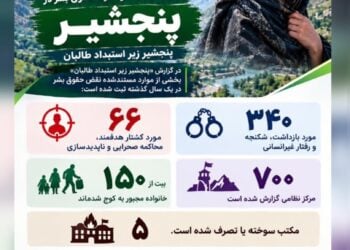
The report recorded 21 killings in Kabul, 3 in Balkh, 6 in Kapisa, 15 in Parwan, 3 in Baghlan, 3 in Khost, 2 in Paktia, 5 in Panjshir, 12 in Badakhshan, 3 in Kandahar, 6 in Jawzjan, 8 in Faryab, 1 in Samangan, 3 in Helmand, 2 in Nuristan, 5 in Kunar, 5 in Takhar, 2 in Ghazni, 3 in Nangarhar, 2 in Bamyan, 1 in Herat, 3 in Ghor, 2 in Farah, 3 in Badghis, 2 in Kunduz, 1 in Uruzgan, 2 in Laghman, 1 in Paktika, and 1 in Sar-e Pol.
The report clarified that these numbers represent only cases documented by the media and research institutions. A large part of the reality remains hidden due to widespread intimidation of families and the Taliban’s strict secrecy.
Arrests Without Judicial Process
The findings show that the Taliban carried out most arrests without judicial warrants. Fighters often seized individuals from their homes, workplaces, or while they were returning from neighboring countries, especially Iran. Many of those detained had left military service years earlier and were living as civilians. In some cases, the same individual was arrested multiple times. Former detainees reported that even after their release, the Taliban again targeted them for arrest and torture.
Deaths Under Torture and Its Consequences
The report found that several former military personnel died during detention and torture. Other cases showed that individuals died after their release due to the physical and psychological damage caused by torture, while some continue to suffer from severe illnesses. Families of the victims told researchers that the Taliban directly threatened them and warned them not to speak to the media about the arrests or the condition of their loved ones.
Geographic Scope of Arrests
Documented cases of arrest and torture were recorded in more than 20 provinces of Afghanistan. These include Parwan, Kapisa, Panjshir, Kabul, Kunduz, Badakhshan, Daikundi, Baghlan, Laghman, Helmand, Kandahar, Nangarhar, Takhar, Sar-e Pol, Uruzgan, Nuristan, Paktika, and Badghis.
According to the AFF, in 2025 the Taliban arrested and tortured 17 former military personnel in Parwan, 16 in Kapisa, 20 in Panjshir, 5 in Baghlan, 7 in Kunduz, 13 in Kabul, 6 in Daikundi, 4 in Badakhshan, 1 in Maidan Wardak, 11 in Helmand, 2 in Kandahar, 4 in Laghman, 1 in Nangarhar, 1 in Sar-e Pol, 6 in Takhar, 4 in Faryab, 9 in Uruzgan, 1 in Nuristan, 1 in Paktika, and 2 in Badghis. These figures include only those individuals named in the report or cases where specific numbers were confirmed. Many more arrests and acts of torture remain hidden due to the Taliban’s secrecy and fear among families.
Pressure on Families
Beyond the detention of former military personnel, the report recorded numerous cases in which the Taliban arrested or threatened their family members. In some instances, Taliban forces detained fathers, brothers, or other relatives to pressure former military personnel into surrendering, paying money, or handing over weapons.
Claim of General Amnesty
The AFF concluded that the Taliban’s claim of general amnesty is not genuine. The group has continued to arrest, torture, and pursue former military personnel. Human rights organizations had previously reported that the Taliban failed to honor their promise of amnesty and instead continued arrests, abuse, and acts of revenge against opponents.
Research Limitations
The authors of the report emphasized that severe censorship, intelligence surveillance, and families’ fear of retaliation prevented access to complete information in many cases. As a result, the report reflects only a limited portion of the reality on the ground.
Earlier, the United Nations Assistance Mission in Afghanistan (UNAMA) had reported that human rights violations against former government officials and former members of the Afghanistan National Defense and Security Forces continue. UNAMA documented at least six cases of extrajudicial executions, 24 cases of arbitrary arrest and detention, and six cases of torture and ill-treatment.
Additionally, a joint investigative report by the Hasht-e Subh Daily found that from 2023 to mid-2025, at least 110 former military personnel were killed. Only 18 of these cases occurred in the first seven months of the past Gregorian year. The six-month investigation documented dozens of killings and cases of torture involving forces who had served alongside United States military personnel in Afghanistan.
You can read the Persian version of this report here:
گزارش جبهه آزادی: ۱۲۳ نظامی پیشین کشته و ۱۳۱ تن بازداشت و شکنجه شدند