Several residents of the Old City of Ghazni are voicing concerns over the Taliban’s ban on the renovation of their homes. They report that due to poverty and the imposed restrictions, they are forced to live in severely damaged houses that are on the verge of collapse. According to these residents, they cannot afford to leave their homes due to dire economic conditions and are compelled to live under constant threat. Meanwhile, others are suggesting that the families residing in the old city be relocated to safer areas to both protect lives and preserve the historical structure of the fortress.
Many residents from the Old City or the Bala Hissar Fortress of Ghazni told the Hasht-e Subh Daily that the Taliban’s Directorate of Information and Culture must either grant permission for the reconstruction of their homes or facilitate their relocation to a new residential township to avoid potential collapse and casualties. They warn that the Taliban’s continued neglect of the dire living conditions could lead to a serious humanitarian disaster. These residents emphasize that before imposing any restrictions or regulations, the Taliban must take into account the people’s living conditions and propose practical solutions to improve them.
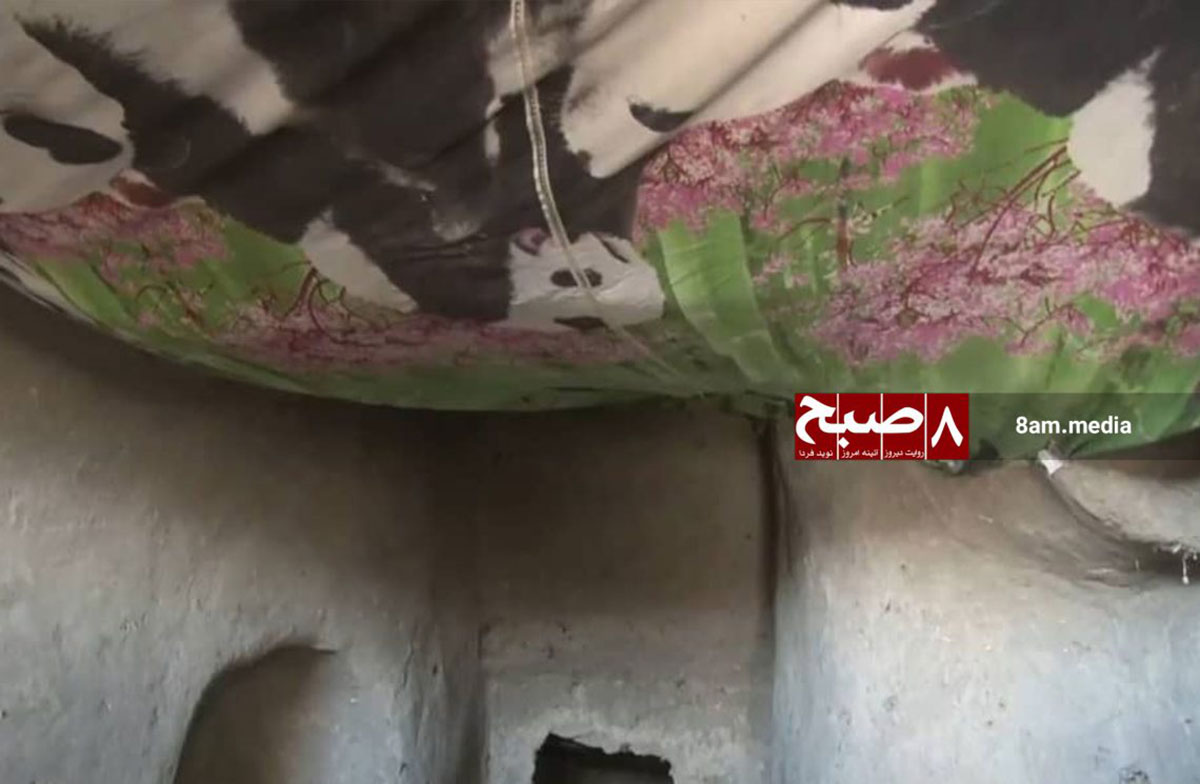
Parasto (pseudonym), a 45-year-old longtime resident of the Old City, lives in a mud-brick house. Though the exterior remains intact, the interior walls are cracked, and the ceiling is on the brink of collapse. She says that when it rains, she gathers her children into a corner to avoid the constant leaks.
“We have lived in this area since the time of my father and grandfather,” she says. “But just look at the roof—it’s in a terrible state. We can neither leave nor are we allowed to touch the house for repairs. When it rains, I’m terrified. I gather my children in a corner, fearing the roof might collapse.”
Parasto criticizes the Taliban’s lack of attention and warns that a serious humanitarian catastrophe could unfold if the people’s conditions in the area are not addressed.
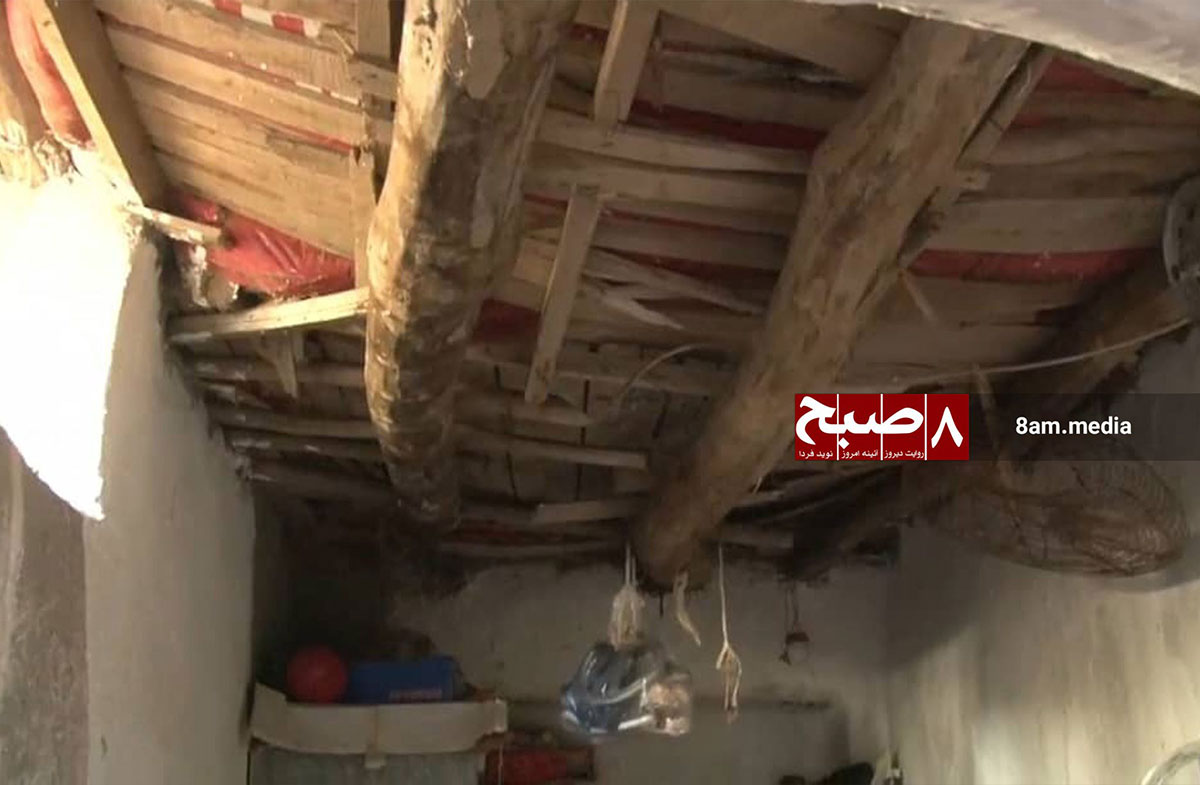
Abdul Rashid (pseudonym), another resident of the Old City, says the house he lives in is a family inheritance from his father, but that legacy has now turned into a nightmare for him and his family. He explains that the sound of rain, once comforting, has become a terrifying alarm that signals the possibility of the roof collapsing in the middle of the night, especially while his children sleep.
“The economic situation here is dire,” he says. “In one compound, five or six brothers live with their families, and in a single house, two or three families share living space. All the houses are worn down, and there’s no room. People stay here out of desperation, while the Taliban don’t allow any reconstruction. We ask [the Taliban] to distribute land plots in a new township for the people.”
Muhammad Khan (pseudonym), another resident, says that the majority of people in the area are impoverished and almost all the houses need to be rebuilt. He adds: “Ninety percent of the houses in this area require renovation, but due to regulations protecting historical sites, no construction is allowed—even though people cannot afford to carry out traditional repairs.”
Some elders of the area also confirm the deteriorating conditions of the homes and the harsh living conditions. They call on the Taliban to seriously address the situation of these residents.
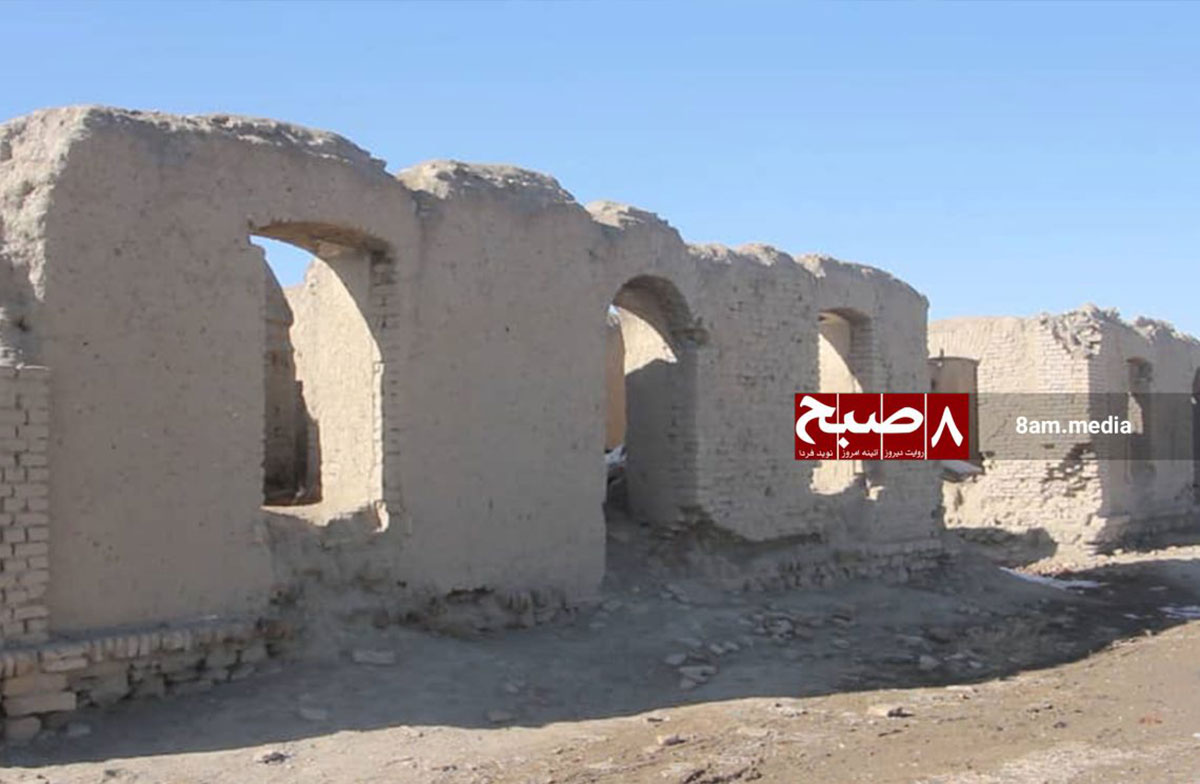
At the same time, some residents of Ghazni City say that the Bala Hissar Fortress has been neglected for years, even though it represents a significant part of the city’s historical identity. They argue that the neglected and abandoned condition of Bala Hissar is what makes the cityscape of Ghazni appear devastated and unattractive.
They recall that in 2013, when Ghazni was designated the Cultural Capital of the Islamic World, funds were sent for the restoration of the fortress, but those funds were embezzled by officials of the time. Since then, the Taliban have shown no interest in preserving the historic site, and Bala Hissar has been left to deteriorate further.
Shamsia (pseudonym), a resident of Ghazni, told the Hasht-e Subh Daily, “There’s been no attention given to Bala Hissar. Houses have been built right on the fortress walls, one rooftop above another. The money sent for restoration was embezzled. Now, the Taliban pay no attention to this priceless heritage. They don’t even allow people to enter the area, claiming it’s been mined.”
She stresses that instead of preserving or protecting Ghazni’s historic sites, the Taliban spend their time searching for supposed archaeological sites and conducting useless speculations.
The historic fortress of “Ghaznin” in the Old City of Ghazni is over a thousand years old. It sits atop a high hill, covering an area of 80 hectares in the heart of this historic city. Considered one of the most significant cultural heritages of the country, the fortress features 34 towers and four gates. At various points in history, all residents of Ghazni lived within this fortress, and it even served as the seat of power for Sultan Mahmud of Ghazni during his reign.
Despite widespread concerns over the housing conditions in the Old City, the Taliban have not issued any official response. Previously, they had claimed that the restoration of eight historic sites in Ghazni Province was underway. Nevertheless, according to reports, around 850 families currently reside in the historic fortress, many of them living under harsh conditions in deteriorating homes.
It is believed that the Old City of Ghazni was established before the advent of Islam, during the era of the Bactrian Empire. The city’s layout is considered unique, historically containing 17 mosques, three gates, 16 streets, three temples (two Hindu and one Sikh), three Sufi lodges (two Naqshbandi and one Qadiri), and one boys’ high school. The presence of places of worship from multiple religions side by side is seen as evidence of peaceful coexistence and tolerance in the city’s ancient past.
Ghazni was designated as the “Cultural Capital of the Islamic World” in 2013 by the Organization of Islamic Cooperation. However, over a decade later, the restoration of the historic fortress and the Old City remains incomplete and in a state of uncertainty.
You can read the Persian version of this report here:
میان میراث و محرومیت؛ روایتی تلخ از زندهگی باشندهگان شهر کهنه غزنی