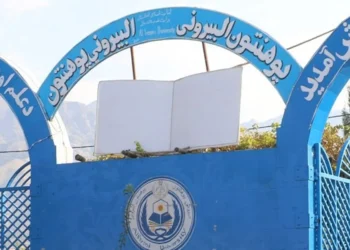
Despite a long-standing tradition in Afghanistan’s universities that required faculty members in Uzbek language and literature departments to translate a scientific work from a foreign language into Uzbek as part of the promotion criteria from “Pohandmal” to “Pohandoy,” the Taliban have now reversed this practice. The Ministry of Higher Education under Taliban control has instructed professors in Uzbek language and literature departments at public universities to translate academic works only into one of the two official languages, Persian or Pashto, if they wish to qualify for promotion. However, Uzbek students, university professors, and writers describe this decision as rooted in the Taliban’s bias against the growth of the Uzbek language and urge the group to stop hindering the development and enrichment of the country’s third most widely spoken language.
Faazel (pseudonym), a student of Uzbek language and literature in Jawzjan province, told the Hasht-e Subh Daily: “One of the most effective ways [to promote Uzbek] is for university professors to translate foreign language books into Uzbek. This benefits both the professors and the students. The professors achieve promotion by translating these works, and Uzbek speakers can make better use of the content in their native language.” He went on to describe the Taliban’s restriction on the translation of useful works into Uzbek as a form of prejudice against the country’s Uzbek-speaking population, adding, “This decision is unacceptable to the Uzbek community.”
Abdul Munib, another Uzbek language and literature student in Kabul, voiced frustration over the lack of access to scientific books, articles, and other materials in Uzbek. He called on the Taliban to promote the language instead of restricting its development: “I urge the Taliban to take steps for the growth of the Uzbek language and literature, rather than hindering it. They should encourage writers to translate valuable books from English, Russian, Persian, and Pashto into Uzbek. Uzbek is one of Afghanistan’s major languages, yet for years, Uzbeks have been deprived of access to good works in their native language.”
The Ministry of Higher Education under the Taliban issued this directive via official letter No. 97, dated April 20, 2024. According to this document, faculty members in Uzbek language and literature departments must now translate foreign academic works into one of the two dominant languages, Persian or Pashto, to be eligible for promotion from “Pohandmal” to “Pohandoy.” Professors at these departments note that in previous years, they were permitted to translate scientific works, including those written in Turkish, into Uzbek, which not only qualified them for promotion but also made more academic resources available to students in the Uzbek language. They criticize the Taliban’s latest move and call on the Ministry of Higher Education to reconsider.
Uzbek writers have also condemned the decision as unconstitutional, stating that the Taliban are obstructing the growth of the Uzbek language. Alam Labib, a poet and researcher of Uzbek language and literature and a former university professor, confirmed the authenticity of the letter in an interview with the Hasht-e Subh Daily. He remarked, “The letter issued by the Ministry of Higher Education, instructing Uzbek language and literature professors to translate scientific works only into Persian or Pashto for promotion, contradicts previous practices. Professors in Persian and Pashto departments are not required to do this. Uzbek professors must contribute to the development and enrichment of the Uzbek language within their departments, rather than being forced to translate works into other languages. This is the logical approach.”
Labib further explained that for many years, academic staff across various departments in Afghan universities were required to translate scientific work relevant to their field to be promoted from “Pohandmal” to “Pohandoy.” As Uzbek is an official language of Afghanistan, recognized by the constitution, this practice should apply equally to Uzbek language faculty.
The former professor added, “The directive issued by the Taliban’s Ministry of Higher Education is against the law and will create obstacles to the promotion and development of the Uzbek language. For Uzbek to be more widely used and to have a rich body of academic writing, reputable scientific, literary, and cultural works must be both written and translated into this language.” Labib emphasized the importance of increasing academic resources in Uzbek, stating, “The Uzbek language needs a wealth of reference materials so that professors and students in the Uzbek language and literature departments can use them for various purposes, such as writing articles and dissertations.”
You can read the Persian version of this new here: