July 11, World Population Day, is not just a date on the calendar; it is a stark warning. In a world grappling with dwindling natural resources and intensifying humanitarian crises, Afghanistan, home to one of the fastest-growing populations globally, stands on the brink of a profound ecological, social, and economic crisis. Based on years of fieldwork in Kabul, supported by official statistics and firsthand observation, I firmly believe that without a comprehensive and strategic plan to curb unchecked population growth, what should be a demographic asset could swiftly become a catastrophic liability.
As of 2025, Afghanistan’s population has reached approximately 49.5 million, with an official fertility rate of about four children per woman. However, field data gathered through urban household registration shows a higher average: 5.5 children per couple. If this trend continues, Afghanistan’s population will surpass 80 million by 2050 and could exceed 344 million by the end of the century. For a country with fragile infrastructure, scarce resources, and enduring political instability, such population growth would exert unprecedented pressure on every facet of life.
Afghanistan is an exceptionally young country. Over 43% of its population is under the age of 15, and 74% live in rural areas. Yet the absence of access to education, employment, and public services has transformed this demographic potential into a looming threat. Youth unemployment now exceeds 34%, and many of these disenfranchised young people are vulnerable to recruitment by extremist groups such as the Taliban or ISIS. Had Afghanistan had a more aging population, this vulnerability would be significantly reduced.
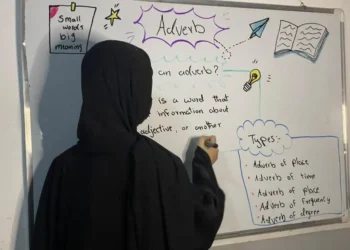
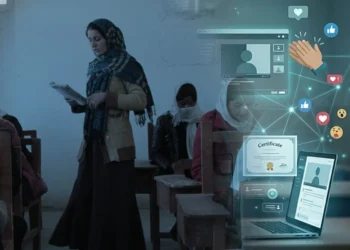
The Taliban’s ban on girls’ education in schools and universities is not only a blatant injustice it is a human catastrophe. According to UNICEF, if the current policies persist through 2030, more than four million girls will be denied access to secondary education. This policy drives up rates of child marriage, maternal mortality (638 deaths per 100,000 live births), and under-five child mortality (68 deaths per 1,000 live births), placing Afghanistan among the top three countries with the highest child mortality rates globally. When women are denied education, they also lose access to vital knowledge about family planning, contributing to higher fertility rates and even greater pressure on limited resources. The experience of countries like Bangladesh, where female education and empowerment reduced the fertility rate from 6.9 in the 1970s to 2.1, proves that a tested, effective path to progress exists.
Meanwhile, over 10 million Afghan citizens live as migrants in neighboring countries, particularly Iran and Pakistan. In 2024 alone, more than 900,000 Afghans were deported from Iran. These returnees, often homeless, unemployed, and lacking essential support, have been left in inhumane conditions in cities like Herat and Kandahar. This escalating migration crisis, described by some as “post-United Nations,” represents a flagrant violation of the 1951 Geneva Convention and its associated protocols on refugee rights.
From an environmental standpoint, Afghanistan is facing a multidimensional catastrophe. Over 80% of the country’s agricultural land is affected by soil erosion. Water resources strained by prolonged droughts and mismanagement have plummeted to their lowest levels in recent history. Air pollution in major cities such as Kabul has reached critical levels. I have personally witnessed the collapse of ecosystems, most notably the destruction of habitats for species like the snow leopard, as a clear indicator of deep ecological fragility. Population growth, without parallel resource management, will only accelerate this destruction.
The economic outlook is equally dire. In 2024, Afghanistan’s per capita GDP stood at just $2,225, while inflation reached approximately 5.1%. Widespread dependence on foreign aid, coupled with declining output in key sectors like agriculture, has severely undermined household livelihoods. Employment is both insecure and poorly regulated, and the absence of a coherent national economic policy has intensified poverty and widened social inequalities.
From a religious perspective, while Islam encourages procreation, it does not advocate for reckless or irresponsible childbearing. The Prophet Muhammad (peace be upon him) is quoted as saying, “Do not let your children die of hunger,” underscoring the importance of providing sustenance, justice, and proper upbringing. Other major faiths, such as Christianity and Buddhism, also emphasize the moral responsibility of individuals toward their families and communities.
To better understand Afghanistan’s demographic position globally, a comparison of Total Fertility Rates (TFR) across countries highlights a significant gap:
| Country | Total Fertility Rate (TFR) |
| Afghanistan | 5.5 |
| Iran | 1.7 |
| Bangladesh | 2.1 |
| Global Average | 2.3 |
Addressing this crisis requires comprehensive, multilateral solutions:
- End the ban on girls’ education and rebuild a national education system.
- Invest in sustainable sectors such as agriculture and extractive industries to create long-term employment opportunities.
- Manage migration through international cooperation and a rights-based approach.
- Launch nationwide awareness campaigns on family planning, especially through religious leaders and civil society networks.
- Protect natural resources through scientific planning and local community engagement.
Ultimately, if no principled and national-level action is taken today, tomorrow’s Afghanistan will be shaped by a young but jobless, impoverished, and angry population. A devastated environment and power in the hands of extremist groups would paint an even darker picture than the one we face today. However, if we choose today to act consciously—by investing wisely, expanding education, and empowering women—there is still hope to turn this looming threat into a catalyst for development. World Population Day is a stark reminder that the choice between hope and despair rests in our hands.
Sources:
- United Nations Population Division: https://data.un.org/
- National Statistics and Information Authority (Afghanistan): https://nsia.gov.af/
- World Health Organization (WHO): https://www.who.int/
- United Nations High Commissioner for Refugees (UNHCR): https://www.unhcr.org/
- BBC Persian and Euro News Persian
You can read the Persian version of this analysis here: