• 8AM.MEDIA
  • ویب‌سایت فارسی
  • پښتو ویب‌پاڼه
  • اۉزبېکچه ویب‌سایت
  • Podcast
Wednesday, September 30, 2026
Hasht-e Subh
  • Home
  • News
    • Afghanistan News
    • World News
  • Opinion
    • Editorial
    • Analysis
  • Reports
    • Daily Reports
    • Investigative Reports
  • Society
    • The story of people
  • Women’s Word
  • Columns
    • Three Years After Afghanistan’s Fall: The Taliban’s Resurgence
    • Towards Equality
    • The Resurgence of the Taliban: Two Years Since Afghanistan’s Fall
    • Hebatullah Report Special Edition
    • Resistance for Education Special Edition
    • Special Column on Taliban’s Education Curriculum
    • Nawroz
  • Interviews
  • Contact Us
    • About Us
    • 8AM MEDIA Annual Awards
    • Submit an Article to Hasht-e-Subh
  • 8am.mediaBack
Subscribe
No Result
View All Result
  • Home
  • News
    • Afghanistan News
    • World News
  • Opinion
    • Editorial
    • Analysis
  • Reports
    • Daily Reports
    • Investigative Reports
  • Society
    • The story of people
  • Women’s Word
  • Columns
    • Three Years After Afghanistan’s Fall: The Taliban’s Resurgence
    • Towards Equality
    • The Resurgence of the Taliban: Two Years Since Afghanistan’s Fall
    • Hebatullah Report Special Edition
    • Resistance for Education Special Edition
    • Special Column on Taliban’s Education Curriculum
    • Nawroz
  • Interviews
  • Contact Us
    • About Us
    • 8AM MEDIA Annual Awards
    • Submit an Article to Hasht-e-Subh
  • 8am.mediaBack
No Result
View All Result
Hasht-e Subh
No Result
View All Result

Widespread Drug Smuggling in Afghanistan: Unlicensed Medicines Sold in the Country’s Markets

Translated by Farhad Farhaad | Originally reported in Persian by Nima

Mohammad Farhaad Mohammad Farhaad
15 July 2026 - Solar Hijri Date: 1405/04/24 [t_time:1784129950]
Smuggled and unlicensed medicines, including Hepa-Merz Syrup and other Pakistani and Indian products, are sold openly in Afghanistan's markets. (Photo credit: Exclusive)

Exclusive

Sources say that with the closure of the border with Pakistan, the smuggling of Pakistani medicines into Afghanistan has increased. According to these sources, the drug-smuggling mafia, working in cooperation with several individuals within the Taliban regime, is involved in this process and is bringing Pakistani medicines into Afghanistan extensively and illegally.

Sources familiar with the process of drug supply and sale in Afghanistan say that Pakistani and Indian medicines are smuggled into the Afghanistan market on a large scale via the Kandahar, Helmand, and Zabul routes. According to these sources, some of these medicines do not even hold legal licensing in their countries of origin. According to the sources, this situation has forced consumers to pay higher medicine prices, while domestic producers also face serious difficulties.
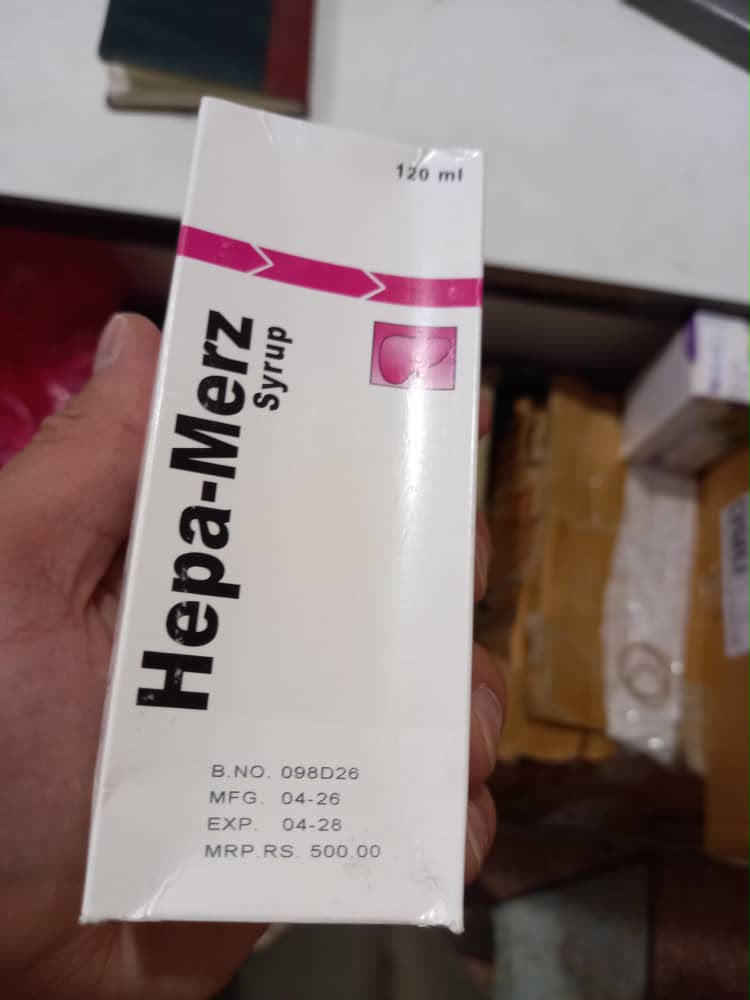
A 120ml box of Hepa-Merz Syrup, manufactured in April 2026, is held up showing its batch and expiry details. (Photo credit: Exclusive)

This is one of the Pakistani medicines that was recently manufactured in Pakistan but is now readily found in pharmacies in Kabul and other provinces of Afghanistan. This medicine, sold under the brand name Hepa-Merz Syrup, is offered as an oral syrup in 120-millilitre packaging. According to the information printed on the packaging, this medicine was manufactured in April 2026 and has an expiry date of April 2028, even though,h officially, no Pakistani medicine has entered Afghanistan during this period.

Sources confirm that medicines bearing a 2026 manufacturing date, recently produced in Pakistan, are abundant in Afghanistan’s markets. According to these sources, all such medicines enter the country through smuggling and have no official import documentation, yet they are sold freely in markets and pharmacies.
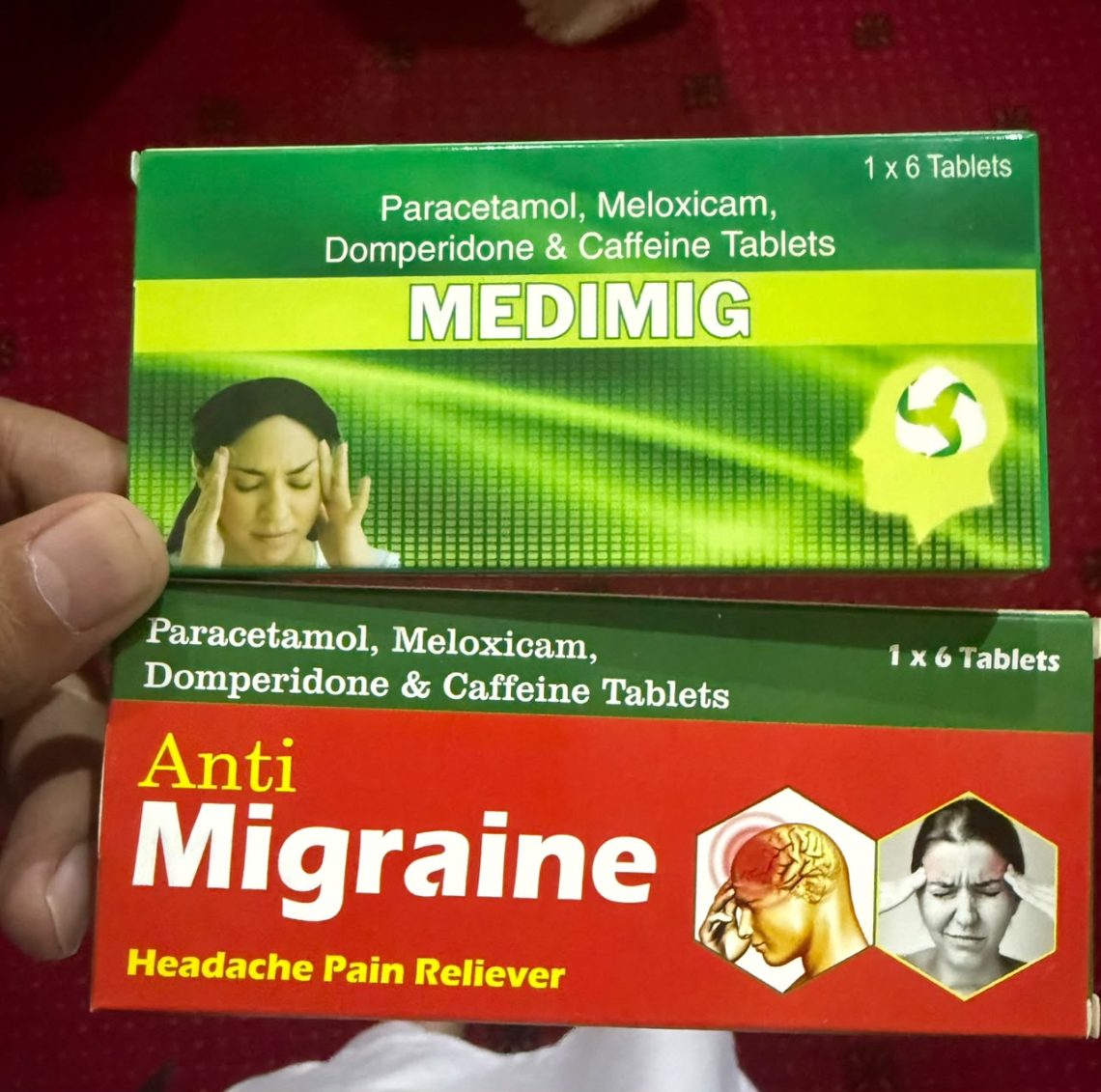
Boxes of Medimig and Anti Migraine tablets, both combining paracetamol, meloxicam, domperidone, and caffeine, are seen in the market. (Photo credit: Exclusive)

Exclusive Medical sources in Kabul say that these medicines are products of India and carry no scientific backing or valid medical approval. According to them, numerous cases of these medicines are not even permitted for prescription or supply to patients in India itself, yet despite this, Afghanistan’s market has been flooded with such medicines. According to the sources, these medicines enter through Bandar Abbas and are then transferred to the customs houses of Nimroz, Kandahar, and Herat. These sources say that certain customs officials and local Taliban officials also play a role in this process, easily granting clearance for these shipments without conducting the necessary tests and standard controls.
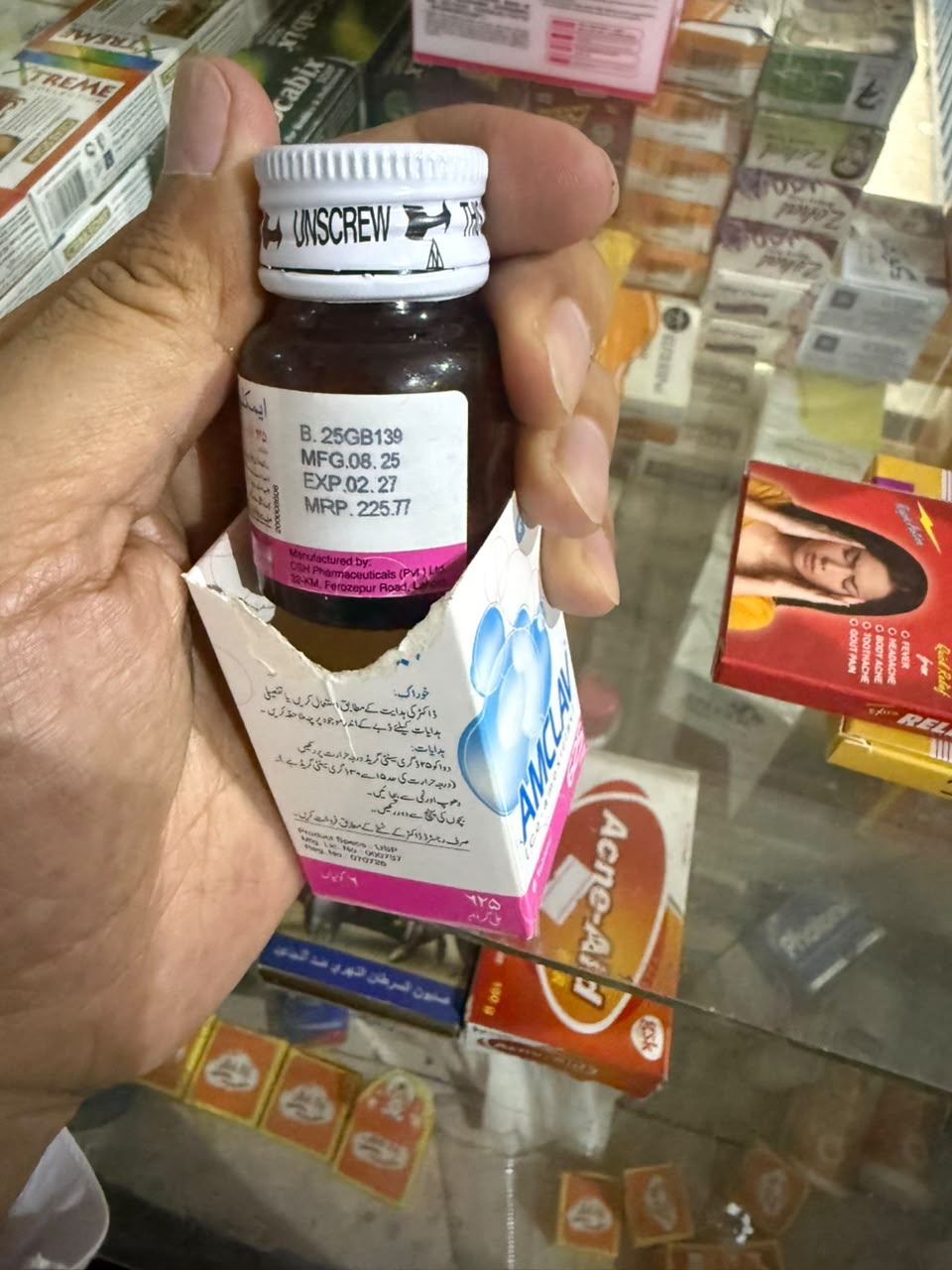
A bottle of Amclav syrup, manufactured by a Pakistani pharmaceutical company, is displayed at a pharmacy counter in Kabul. (Photo credit: Exclusive)

One source says: “The medicine seller told me that these medicines are smuggled in, manufactured in Quetta, Pakistan, are counterfeit, and contain no active ingredient.”
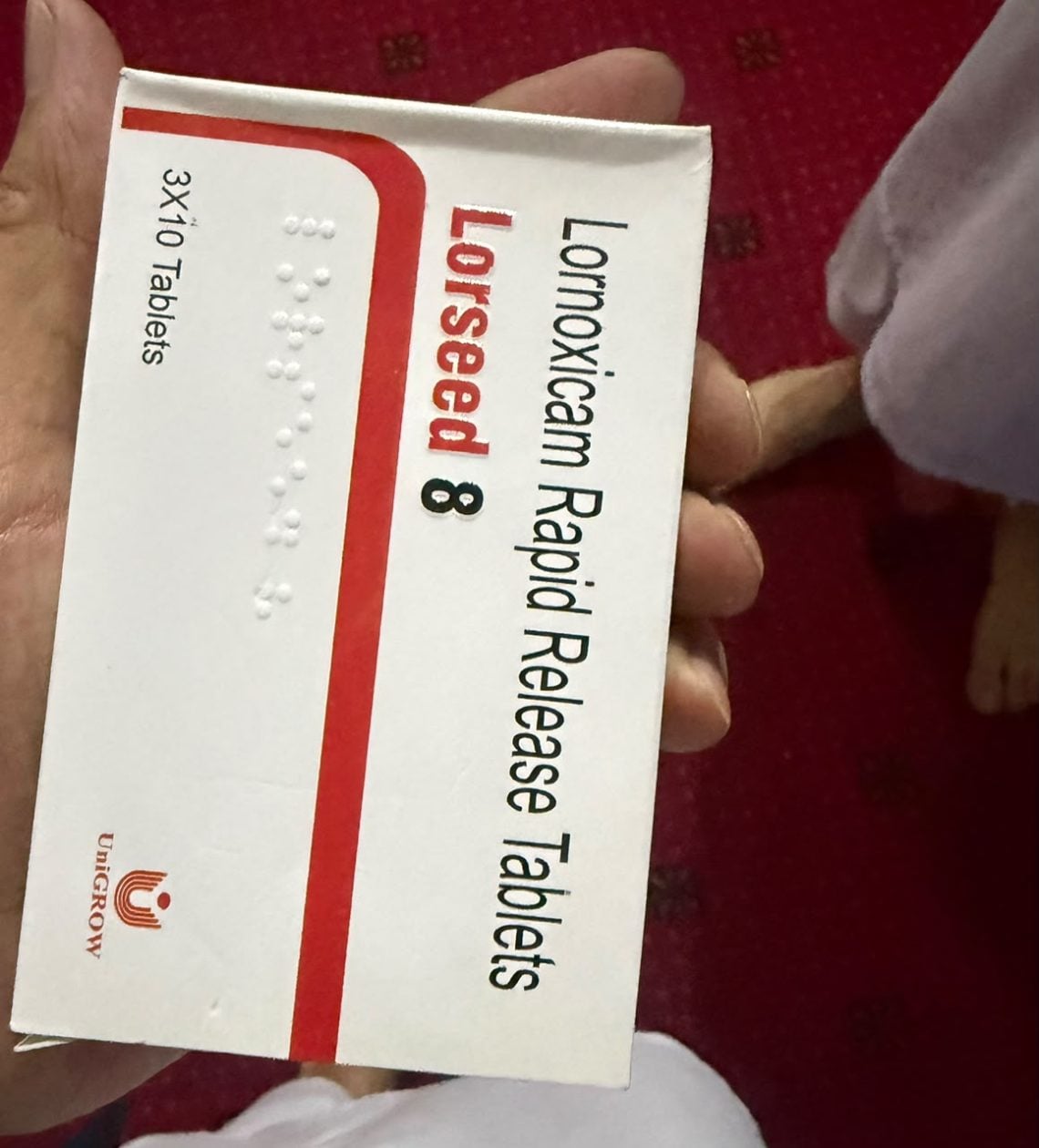
A box of Lorseed 8, a lornoxicam rapid release tablet made by UniGrow, is shown among unlicensed medicines in Afghanistan's market. (Photo credit: Exclusive)
A box of Lorseed 8, a lornoxicam rapid-release tablet made by UniGrow, is shown among unlicensed medicines in Afghanistan’s market. (Photo credit: Exclusive)

According to claims from health sources, these are Indian medicines that do not appear on the official list of medicines approved for Afghanistan, and no one is legally permitted to import them, yet they have entered the market on a large scale.

These medicines, which cause no harm to patients in their absence and are considered unnecessary, were also officially banned. Later, following the Taliban’s takeover, the group’s Council of Ministers also endorsed this decision, but these medicines continue to enter the market daily through smuggling. According to statistics and reviews from the Deputy Ministry of Food and Medicine, the import of these medicines has not been authorized, yet they remain available in the market.

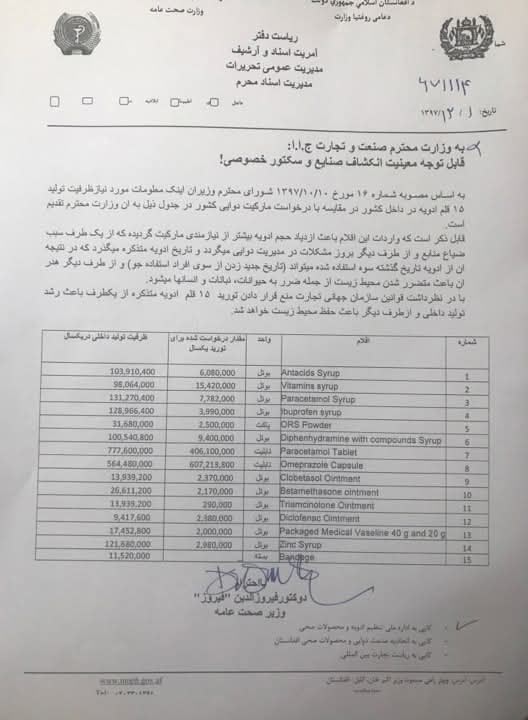
This letter pertains to the Ministry of Public Health of the previous government and contains a list of a number of medicines and medical products along with their official pricing. The letter was issued with the aim of regulating the country’s pharmaceutical market, setting fixed prices for essential medicines, supporting domestic production, and preventing disorder in the pricing and supply of medicines in the market. The letter lists various items, including syrups, tablets, ointments, and general medical supplies, covering high-demand and essential medicines that were manufactured in Afghanistan. According to the letter, the import of 15 of the medicines listed in it has been declared prohibited, and they are not permitted to enter the country.
An official letter from the former government's Ministry of Public Health lists 15 medicines banned from import into Afghanistan. (Photo credit: Exclusive)
An official letter from the former government’s Ministry of Public Health lists 15 medicines banned from import into Afghanistan. (Photo credit: Exclusive)

Sources emphasize that the Taliban’s Ministry of Public Health is not capable of conducting effective oversight and inspection because powerful and influential individuals dominate the market.

One doctor says that the antibiotic market in Afghanistan is in a very unfavorable state. According to him, the quality of medicines in Afghanistan has “truly deteriorated.” He adds that claims regarding the import of substandard medicines can only be examined and proven through analysis in properly equipped laboratories.

This doctor also confirms: “Medicines that used to be imported through legal channels are no longer being imported, and since there is a shortage in the market, counterfeit medicines may be produced and brought in. However, only properly equipped laboratories can analyze these medicines and determine how much active ingredient they contain and whether they meet the required quality standards.”


You can read the Persian version of this report here:

قاچاق گسترده دارو در افغانستان؛ داروهای بدون مجوز در بازارهای کشور فروخته می‌شوند

ShareTweetSendSendShare

Related Posts

A map of Helmand province highlighted in red inside the map of Afghanistan. (Photo Credit: 8am.media)
Afghanistan News

Taliban in Helmand Begin Collecting Pakistani Medicines

1 September 2026 [t_time:1788286792]
Health workers walk through a hospital corridor in Kabul as patients and caregivers wait nearby amid complaints of overcrowding and neglect. (Photo credit: 8am.media)
Daily Reports

Mistreatment and Nurse Shortages: Patients Decry Conditions at Kabul’s State-Run Hospitals

27 August 2026 [t_time:1787836616]
Afghanistan sits at the center of competing global powers, from the UN and Washington to Moscow, Beijing, Tehran, and Islamabad, as the world remains divided over how to handle the Taliban. (Photo credit: AI)
Analysis

Afghanistan Caught in Strategic Ambiguity: What Is the World Doing About the Taliban?

16 August 2026 [t_time:1786889025]

Latest

Loading latest news...

Popular stories

  • Surveillance footage shows Taliban fighters surrounding and shooting a bound man in Herat. (Photo credit: Social Media)

    Taliban Shoot Young Man from Herat After Torturing Him with Hands Tied

    Share
    Share Tweet
  • UN Report Reveals Shifts in Family Attitudes and Rise in Domestic Violence in Afghanistan

    Share
    Share Tweet
  • Al-Qaeda Releases Hamza bin Laden Message on 9/11 Anniversary

    Share
    Share Tweet
  • Sources: Kandahar Bombing Leaves Seven Dead and Eight Injured at Mirwais Hospital

    Share
    Share Tweet
  • Afghanistan’s Empty Seat at the Annual UN General Assembly

    Share
    Share Tweet

Podcast

Insights
Insights

Join Lynne O’Donnell for 8AM’s podcast series, Insights.
Lynne talks with generals, diplomats, soldiers, journalists, politicians, activists, people who have front row seats for conflicts around the world, and citizens with a story to tell, happy or sad. For this first series, Afghanistan is the focus. Lynne and her guests talk about the collapse of the republic in August, 2021, and the impact since — for the people of Afghanistan, for the security of the region, for the safety of the world. It’s important, interesting and insightful.

Insights/22: Controlling the Narrative with Mina Sharif
byinsights8am

Controlling the Narrative

Lynne O’Donnell talks with Mina Sharif, author, activist, women’s rights campaigner, educator and mentor. They discuss who controls the narrative and who speaks for Afghanistan’s people when the Taliban appear to have seized control not only of the country but of the message, too.

Have a listen

Insights/22: Controlling the Narrative with Mina Sharif
Episode play icon
Insights/22: Controlling the Narrative with Mina Sharif
Episode Description
Episode play icon
Insights/21: Media Meltdown with Zahra Joya
Episode Description
Episode play icon
Insights/20: Terror Inc with Scott Richards
Episode Description
Episode play icon
Insights/19: Busting Stereotypes with Bushra Gohar
Episode Description
Episode play icon
Insights/18: Media Matters with Waliullah Rahmani
Episode Description
Episode play icon
Insights/17: What Goes Around Comes Around with Sima Samar
Episode Description
Search Results placeholder
Hasht-e Subh

8AM Media, also known as Hasht-e-Subh Daily, stands as Afghanistan's premier independent and non-profit newspaper, resonating as a beacon of journalistic integrity since its establishment in June 2007 by esteemed Afghan journalists and human rights advocates. With a steadfast commitment to citizen journalism and civic education, Hasht-e-Subh Daily has earned its place as the most esteemed publication in the nation.

Publisher: Sanjar Sohail
Email: [email protected]
Executive Director: Parwiz Kawa
Email: [email protected]

Read More

TAPI Gas Pipeline Reaches Outskirts of Herat City

WHO Raises Awareness to Prevent Botulism Outbreaks in Affected Areas

UN: Local Projects in Kunduz Create New Economic Opportunities

Statistics Authority: More Than 71,000 Birth Cards Distributed in Six Months

Tajikistan to Increase Electricity Exports to Afghanistan

Editor’s Choice

Every Saturday morning, 8AM MEDIA English Services Department will guide you through the week’s biggest stories from Afghanistan and the international community.

Subscribe

© 2026 - ©Hasht-e Subh Daily

No Result
View All Result
8am.Media
پښتو ویب‌پاڼه
ویب‌سایت فارسی
اۉزبېکچه ویب‌سایت
  • Home
  • News
    • Afghanistan News
    • World News
  • Opinion
    • Editorial
    • Analysis
  • Reports
    • Daily Reports
    • Investigative Reports
  • Society
    • The story of people
  • Women’s Word
  • Columns
    • Three Years After Afghanistan’s Fall: The Taliban’s Resurgence
    • Towards Equality
    • The Resurgence of the Taliban: Two Years Since Afghanistan’s Fall
    • Hebatullah Report Special Edition
    • Resistance for Education Special Edition
    • Special Column on Taliban’s Education Curriculum
    • Nawroz
  • Interviews
  • Contact Us
    • About Us
    • 8AM MEDIA Annual Awards
    • Submit an Article to Hasht-e-Subh
  • 8am.media

© 2026 - ©Hasht-e Subh Daily