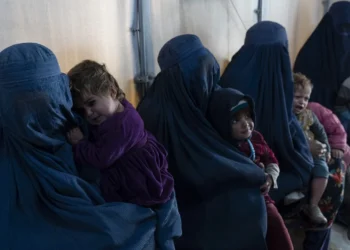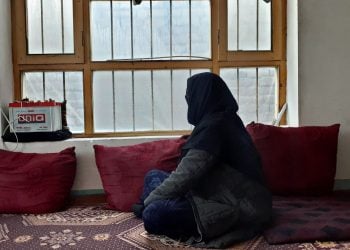

Several patients and some healthcare workers in Herat are complaining about high treatment costs, rising medicine prices, and problems in the delivery of services at some of the province’s private hospitals. They say that some families have faced serious difficulties due to the high costs of rooms, medicine, and medical services. Several healthcare workers also speak of what they describe as a lack of transparency in recording costs, concerns about the quality of some medicines, and weak oversight of the performance of several treatment centers.
A former nurse at a private hospital in Herat, who asked not to be named in this report, says the experiences she witnessed during her work left her disillusioned with the state of medical service delivery.
This former nurse says: “During the time I worked at one of the private hospitals in Herat, I witnessed realities that made me disillusioned, even with my own profession. This ranged from the high price of rooms for poor patients to the use of certain medicines that I believed did not meet the required quality standards. At times, serum bags and vials would change color, yet we were still told to inject them into patients. Doctors and trainee nurses sometimes said that some medicines did not need to be fully used for each patient, and that a portion of the medicine could be sufficient for several patients. We were told to set aside patients’ remaining medicine in a way that the patient would not notice. These medicines were later given to the pharmacy affiliated with the hospital so they could be resold for their own benefit. Witnessing such situations was very difficult for me, because I felt that patients’ health and trust were being disregarded in favor of financial gain.”
Meanwhile, an employee in the finance department of a private hospital in Herat says there are also problems in the process of recording the costs of medical services.
Mozhda (pseudonym), an accountant at one of Herat’s private hospitals, claims that in some cases there is a discrepancy between the actual amount paid by patients and the amount recorded on receipts. According to her, when Taliban health officials come to inspect, documents are sometimes presented that show the cost of services as lower than it actually is.
Mozhda says, “I work as an accountant at one of the private hospitals in Herat. In some cases, the amount collected from a patient differs from the amount recorded on the receipt. For example, if the cost of a service is 50 Afghanis, when public health officials come, we are asked to show receipts with a lower amount, such as 10 or 20 Afghanis, so that the cost of the service appears lower. Every time we are told that public health officials are coming for an inspection, we are instructed to present these same receipts to show that the prices of the services are reasonable.” She adds: “We were forced to show these documents and could not speak about it, because we were worried about losing our jobs.”
Meanwhile, for a number of patients’ families, the problem is not only receiving medical services; covering the cost of treatment has also become a major challenge. Some families say the rising price of medicine and the high cost of rooms and hospital services have caused them to lose the ability to continue their loved ones’ treatment.
Abdul Rahman (pseudonym), the father of a sick girl, says the cost of his daughter’s treatment put him in a position where he could no longer afford the hospital’s expenses. He says, “My daughter was hospitalized for several days. Every night, they charged us one thousand Afghanis for the room and told us this was a discounted rate, while the original price was one thousand two hundred Afghanis. The cost of medicine was also very high, and I could no longer afford to pay. They kept coming and asking for money for the room and medicine. In the end, I was forced to leave my daughter at the hospital and go, hoping I might be able to find some money. No father wants to leave his sick child alone, but poverty and the high costs of treatment brought me to this situation.”
Several patients and their families say that alongside the high cost of medical services, the price of medicine has also placed additional pressure on them. They say that in many cases, an illness is not only a health problem but can also plunge families into an economic crisis.
These concerns come as the Taliban’s Ministry of Public Health (MoPH) has announced that it is monitoring private health centers and working to regulate their activities. However, the accounts of patients and employees who spoke with the Hasht-e Subh Daily show that a number of citizens still express concern over the lack of transparency in costs, the quality of services, and the manner of oversight of some treatment centers.
Several health experts say that oversight of private hospitals should not be limited only to document reviews and occasional visits, but that its results should be reflected in lower treatment costs, improved quality of services, and support for patients. They say public trust in the health system will only strengthen when patients are confident that medical services are being provided with transparency, accountability, and the necessary standards.
Health experts emphasize that for families who enter a hospital already burdened by the pain of a loved one’s illness, the cost of treatment should not become yet another source of worry alongside the illness itself. They say a hospital should be a place of treatment and hope, not a place where fear over costs, service quality, and lack of oversight adds further to patients’ suffering.
You can read the Persian version of this report here:
هزینههای بلند و کیفیت پایین؛ نگرانی بیماران از وضعیت شفاخانههای خصوصی هرات