• 8AM.MEDIA
  • ویب‌سایت فارسی
  • پښتو ویب‌پاڼه
  • اۉزبېکچه ویب‌سایت
  • Podcast
Monday, October 5, 2026
Hasht-e Subh
  • Home
  • News
    • Afghanistan News
    • World News
  • Opinion
    • Editorial
    • Analysis
  • Reports
    • Daily Reports
    • Investigative Reports
  • Society
    • The story of people
  • Women’s Word
  • Columns
    • Three Years After Afghanistan’s Fall: The Taliban’s Resurgence
    • Towards Equality
    • The Resurgence of the Taliban: Two Years Since Afghanistan’s Fall
    • Hebatullah Report Special Edition
    • Resistance for Education Special Edition
    • Special Column on Taliban’s Education Curriculum
    • Nawroz
  • Interviews
  • Contact Us
    • About Us
    • 8AM MEDIA Annual Awards
    • Submit an Article to Hasht-e-Subh
  • 8am.mediaBack
Subscribe
No Result
View All Result
  • Home
  • News
    • Afghanistan News
    • World News
  • Opinion
    • Editorial
    • Analysis
  • Reports
    • Daily Reports
    • Investigative Reports
  • Society
    • The story of people
  • Women’s Word
  • Columns
    • Three Years After Afghanistan’s Fall: The Taliban’s Resurgence
    • Towards Equality
    • The Resurgence of the Taliban: Two Years Since Afghanistan’s Fall
    • Hebatullah Report Special Edition
    • Resistance for Education Special Edition
    • Special Column on Taliban’s Education Curriculum
    • Nawroz
  • Interviews
  • Contact Us
    • About Us
    • 8AM MEDIA Annual Awards
    • Submit an Article to Hasht-e-Subh
  • 8am.mediaBack
No Result
View All Result
Hasht-e Subh
No Result
View All Result

The Rise of Non-Prescription Glasses in Kabul: Eye Health at Risk Amid Unregulated Sales

Elina Qalam Elina Qalam
23 December 2025 - Solar Hijri Date: 1404/10/02 [t_time:1766515306]
Rows of non-prescription glasses displayed for sale, highlighting the growing spread of non-standard eyewear in Kabul and concerns over eye health. (Photo Credit: basalam)

basalam

In recent days, more young people and elderly residents have begun wearing non-prescription and non-standard glasses. Doctors in Kabul warn that these glasses actively harm the eyes and pose a real threat to visual health. Because they do not meet medical standards, they fail to improve vision and, over time, weaken eyesight and trigger serious eye problems. Doctors stress that each person should choose reading glasses and sunglasses based on an accurate eye prescription. When glasses do not match a person’s vision needs, they can cause eye fatigue, headaches, burning, itching, and tearing, and in some cases, even alter the eye’s prescription.

In conversations with the Hasht-e Subh Daily, these doctors explain that glasses have become a basic health necessity for many people. Yet the habit of using them correctly has not taken root. Proper use requires awareness, guidance, and a culture that values eye health.

Walid Farahmand, an eye doctor, explains that non-standard plastic glasses damage the eyes over time and should never be used carelessly. He says glasses must match each person’s eye condition and prescription. Despite this, many shops sell glasses without any assessment, and people buy them simply because they do not know better.

Speaking to the Hasht-e Subh Daily, Farahmand describes the risks of non-prescription glasses in detail. “Low-quality plastic distorts images and reduces clarity, which increases eye fatigue. Dark-colored protective glasses also cause the eye socket to widen. When the lenses or plastics are poor in quality, they offer no protection and instead allow more harmful rays to enter, damaging the eye’s nervous tissues. These glasses scratch easily as well, scattering light and irritating the eyes.”

Another eye doctor, Zia-ul-Haq Zia, warns that people, especially children with eye problems, should never use non-standard glasses without medical advice. He emphasizes that these glasses do not help and can cause harm.

He explains, “Glasses sold on the streets do not fix eye problems. Instead, they can lead to headaches, dizziness, and when the prescription does not match the eyes, they may even cause eye deviation or misalignment.”

Mr. Zia urges citizens to visit a specialist if they experience eye problems and to avoid buying glasses on their own. He adds that when doctors prescribe glasses, they do so to improve vision, reduce headaches, correct eye deviation, treat lazy eye, lessen eye fatigue, and protect the eyes.

Across Kabul, vendors now sell non-standard glasses on yellow boards or carry them through busy streets. People of all ages buy these glasses, and in some cases, sellers even offer plastic glasses made specifically for children.

Some Kabul residents say they wear these glasses both for eye protection and as a fashion item.

Shazia, one of these residents, says she owns several designs of non-prescription plastic glasses. She admits that fashion motivates her more than health, although she believes the glasses offer some protection.

“As you can see, I am wearing black glasses now,” she says. “I wear them mostly for fashion because I like them. At home, I have six or seven more pairs. I think wearing glasses is good. Kabul’s air is very polluted, so they help in that way too. They work for sunlight as well, but honestly, I wear them mainly for fashion.”

Rahimullah, another Kabul resident, believes that despite some drawbacks, sunglasses and snow glasses offer far more benefits. He points out that in Afghanistan, wearing glasses still carries a social stigma, and users often face mocking or harsh comments.

“Instead of saying glasses are harmful and avoiding them completely, we should use them,” he says. “In summer, many people avoid glasses because they fear being mocked. But if their eyes are damaged, will those same people help them? During exam nights, students study until morning without wearing reading glasses. Yes, problems can exist, but the benefits are greater. When people step out of dark rooms into bright sunlight or snow, their eyes suffer. In those moments, wearing glasses is necessary.”

Parwiz, unlike these two residents, says he once used non-prescription glasses but stopped after learning about their dangers.

“Non-prescription glasses cause many problems for the eyes,” he says. “I used them before, but once I understood the risks, I stopped. One serious harm is that they weaken the pupil and can even cause spots on the face. I have studied this myself. Harmful solar rays, especially ultraviolet A and ultraviolet B, damage the eyes. These glasses should only be bought and used after consulting a doctor.”

The price of these glasses depends on the quality of the lenses and frames. Still, most eyewear shops in Afghanistan sell them without any medical consultation, and even reading glasses are often offered without a proper eye examination.

You can read the Persian version of this report here:

رواج عینک‌های بدون نمره در کابل؛ تهدید سلامت چشم در سایه فروش خودسرانه
ShareTweetSendSendShare

Related Posts

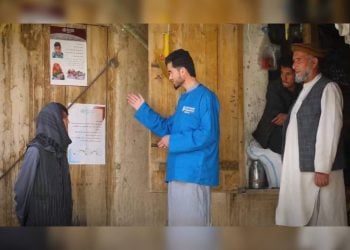
WHO employees explain health information to people during an awareness campaign in Badakhshan. (Photo credit: WHO)
Afghanistan News

WHO: More Than 37,000 People Benefit From Health Awareness Campaign in Badakhshan

9 August 2026 [t_time:1786282278]
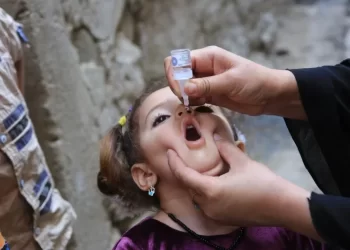
A child receives oral polio vaccine drops during an immunization campaign in Afghanistan. (Photo Credit: Getty Images)
Afghanistan News

UNICEF Reaffirms Efforts to Expand Children’s Access to Polio Vaccination in Afghanistan

29 July 2026 [t_time:1785338446]
Participants in the “Afghanistan: A Diamond in the Ashes” program in Kraków, Poland, an event aimed at presenting a more balanced and comprehensive image of Afghanistan. (Photo credit: Exclusive)
Afghanistan News

“Afghanistan: A Diamond in the Ashes” Program Held in Poland

13 June 2026 [t_time:1781350163]

Latest

Loading latest news...

Popular stories

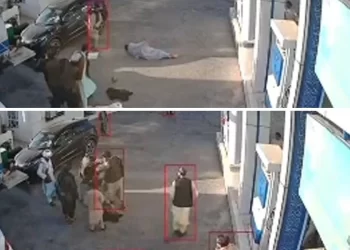
  • Surveillance footage shows Taliban fighters surrounding and shooting a bound man in Herat. (Photo credit: Social Media)

    Taliban Shoot Young Man from Herat After Torturing Him with Hands Tied

    Share
    Share Tweet
  • UN Report Reveals Shifts in Family Attitudes and Rise in Domestic Violence in Afghanistan

    Share
    Share Tweet
  • Al-Qaeda Releases Hamza bin Laden Message on 9/11 Anniversary

    Share
    Share Tweet
  • Afghanistan Journalists Center: Taliban Have Detained Around 300 Journalists and Media Workers

    Share
    Share Tweet
  • The Silencing of Afghanistan

    Share
    Share Tweet

Podcast

Insights
Insights

Join Lynne O’Donnell for 8AM’s podcast series, Insights.
Lynne talks with generals, diplomats, soldiers, journalists, politicians, activists, people who have front row seats for conflicts around the world, and citizens with a story to tell, happy or sad. For this first series, Afghanistan is the focus. Lynne and her guests talk about the collapse of the republic in August, 2021, and the impact since — for the people of Afghanistan, for the security of the region, for the safety of the world. It’s important, interesting and insightful.

Insights/22: Controlling the Narrative with Mina Sharif
byinsights8am

Controlling the Narrative

Lynne O’Donnell talks with Mina Sharif, author, activist, women’s rights campaigner, educator and mentor. They discuss who controls the narrative and who speaks for Afghanistan’s people when the Taliban appear to have seized control not only of the country but of the message, too.

Have a listen

Insights/22: Controlling the Narrative with Mina Sharif
Episode play icon
Insights/22: Controlling the Narrative with Mina Sharif
Episode Description
Episode play icon
Insights/21: Media Meltdown with Zahra Joya
Episode Description
Episode play icon
Insights/20: Terror Inc with Scott Richards
Episode Description
Episode play icon
Insights/19: Busting Stereotypes with Bushra Gohar
Episode Description
Episode play icon
Insights/18: Media Matters with Waliullah Rahmani
Episode Description
Episode play icon
Insights/17: What Goes Around Comes Around with Sima Samar
Episode Description
Search Results placeholder
Hasht-e Subh

8AM Media, also known as Hasht-e-Subh Daily, stands as Afghanistan's premier independent and non-profit newspaper, resonating as a beacon of journalistic integrity since its establishment in June 2007 by esteemed Afghan journalists and human rights advocates. With a steadfast commitment to citizen journalism and civic education, Hasht-e-Subh Daily has earned its place as the most esteemed publication in the nation.

Publisher: Sanjar Sohail
Email: [email protected]
Executive Director: Parwiz Kawa
Email: [email protected]

Read More

Everyone Fears AI, So Why Is No One Backing Off?

Shukria Tabassum Case: 11 Years On, Taliban Rub Salt Into a Bloody Wound

Taliban Begin Paving Farah-Farah Rud Road at a Cost of 982 Million Afghanis

Sources: Several Explosions Heard in Lashkar Gah

“Rumi: A Global Voice for Peace” Conference Unveils Plans to Honor and Expand Molana’s Legacy in America

Editor’s Choice

Every Saturday morning, 8AM MEDIA English Services Department will guide you through the week’s biggest stories from Afghanistan and the international community.

Subscribe

© 2026 - ©Hasht-e Subh Daily

No Result
View All Result
8am.Media
پښتو ویب‌پاڼه
ویب‌سایت فارسی
اۉزبېکچه ویب‌سایت
  • Home
  • News
    • Afghanistan News
    • World News
  • Opinion
    • Editorial
    • Analysis
  • Reports
    • Daily Reports
    • Investigative Reports
  • Society
    • The story of people
  • Women’s Word
  • Columns
    • Three Years After Afghanistan’s Fall: The Taliban’s Resurgence
    • Towards Equality
    • The Resurgence of the Taliban: Two Years Since Afghanistan’s Fall
    • Hebatullah Report Special Edition
    • Resistance for Education Special Edition
    • Special Column on Taliban’s Education Curriculum
    • Nawroz
  • Interviews
  • Contact Us
    • About Us
    • 8AM MEDIA Annual Awards
    • Submit an Article to Hasht-e-Subh
  • 8am.media

© 2026 - ©Hasht-e Subh Daily